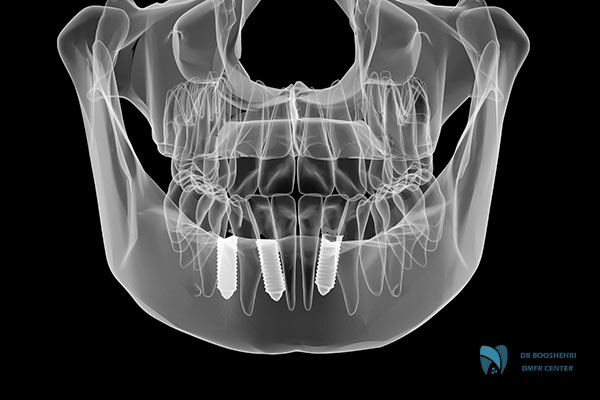
Implant Radiology plays a fundamental role in the success of dental implant treatments. In this article, you will discover why precise imaging of the teeth and jaw is an irreplaceable tool in planning and performing implant surgeries. From assessing the jawbone structure to identifying the location of nerves and sinuses, Implant Radiology is crucial in preventing complications and extending the lifespan of dental implants.
Additionally, this article answers vital questions that are indispensable for patients planning to undergo implant procedures. From understanding the differences between imaging techniques to evaluating their costs and benefits, all the necessary information is presented in a clear and comprehensive manner. We encourage you to read through to the end of this article to find answers to the following questions:
- Why is radiology necessary before dental implant placement?
- What is the difference between panoramic radiography and CBCT?
- Is Implant Radiology dangerous?
- Does everyone need CBCT imaging for implants?
- How much does implant-related imaging cost?
Don’t miss out on the full content of this article to gain comprehensive and valuable insights about Dental Imaging and Jaw Radiography.
Implant Radiology: Why Precise Imaging Before Implant Placement Is Necessary
Implant Radiology is one of the key and essential steps before dental implant placement that has a direct impact on treatment success. The primary objective of this imaging is to thoroughly evaluate the jawbone structure and the position of teeth, enabling precise planning for implant placement. Without Implant Radiology, a dentist cannot accurately assess bone density and volume, increasing the likelihood of issues such as implant movement or treatment failure.
This imaging provides comprehensive details about the placement of nerves, maxillary sinuses, and the precise positioning of adjacent tooth roots. Advanced technologies such as CBCT (Cone Beam Computed Tomography) enable dentists to acquire three-dimensional and detailed images of the jaw structure. With this approach, even the smallest details, such as hidden fractures or potential issues, can be identified.
Additionally, utilizing Implant Radiology is crucial for minimizing surgical risks. With accurate information about the patient’s jaw and teeth, the dentist can determine the implant’s placement more precisely and avoid contact with sensitive structures. Therefore, pre-implant radiology is not only a medical necessity but also directly influences the longevity and quality of implants.
For example, a 2016 study highlighted the role of diagnostic errors in dental radiology, where a misdiagnosis led to the unnecessary extraction of a healthy tooth due to reliance on incorrect radiology reports. This underscores the necessity of combining radiological imaging with precise clinical evaluations. Advanced radiology techniques such as CBCT provide three-dimensional images, enhancing the accuracy of implant positioning and minimizing risks. Furthermore, radiological imaging supports pre-surgical planning and post-surgical monitoring, ensuring the long-term success of implants. Collaboration between dentists and oral radiologists in leveraging radiology for comprehensive treatment planning is vital for improving patient outcomes.
The Role of Jaw Radiography in Diagnosing Issues Before Dental Implant Placement
Jaw Radiography is one of the essential diagnostic tools during the early stages of dental implant treatment. This imaging technique enables the identification of hidden issues in the jawbone and teeth before the treatment begins. For example, while the jawbone may appear healthy, Jaw Radiography can reveal abnormalities such as bone resorption or the presence of cysts.
Moreover, Jaw Radiography allows the dentist to identify problems related to the positioning of the sinuses or jaw nerves. This information is vital for designing and accurately planning implant placement. If these issues are not correctly identified, the patient may experience complications such as nerve pain or sinus problems after the surgery.
High-quality imaging provides the dentist with the ability to assess the bone density and volume of the jaw. This information determines whether the patient needs a bone graft or if the implant can be placed directly. As a result, Jaw Radiography not only aids in diagnosing problems but also acts as a tool to enhance the safety and success of the treatment.

Dental implant radiology is essential! Learn the importance of dental implant imaging and the benefits of advanced radiology techniques.
How Dental Imaging Helps Improve Implant Placement Outcomes
Dental Imaging is a key step in the success of implant treatment, having a significant impact on the final results. Using this diagnostic tool, the dentist can obtain precise details about the position of the teeth, roots, and jawbone structure. This information helps the dentist to perform the implant procedure with greater accuracy and avoid potential complications.
For instance, three-dimensional dental imaging, such as CBCT (Cone Beam Computed Tomography), allows the dentist to determine the precise implant position before surgery. This reduces the risk of nerve damage and interference with other sensitive structures. Additionally, accurate imaging of the jawbone’s density and quality helps assess whether the bone is suitable to support the implant or requires strengthening.
Using Dental Imaging also assists the dentist in selecting the best type and size of the implant for the patient. Without this data, the likelihood of implant displacement or failure increases. Therefore, imaging before implant placement not only facilitates the treatment process but also improves the quality and longevity of the implant.
Advanced Technologies in Implant Radiology: From CBCT to Panoramic Imaging
Technological advancements in implant radiology have provided powerful diagnostic tools for dentists. One of these technologies is CBCT (Cone Beam Computed Tomography), which offers three-dimensional and precise images of the jaw and teeth structure. The use of CBCT in implant radiology helps dentists plan surgeries accurately and minimize the likelihood of errors.
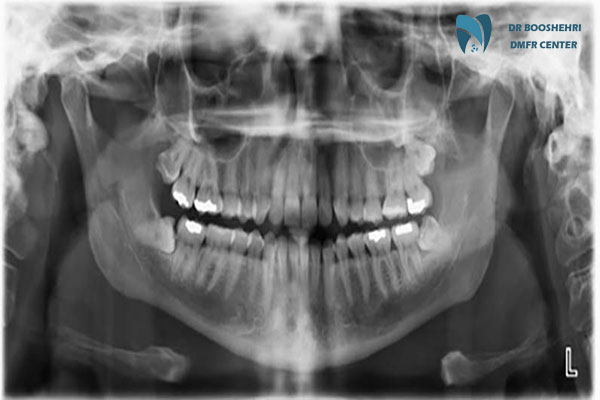
Another technology widely used in this field is Panoramic Imaging. This method provides a comprehensive view of the jaw and teeth structure, making it suitable for assessing more extensive issues. Both of these technologies play a crucial role in determining the precise location of the implant, assessing bone density, and preventing potential complications in implant radiology.
Given that accurate imaging can be the difference between the success and failure of treatment, selecting the appropriate technology for each patient is vital. Advanced technologies have enhanced image precision and quality, allowing dentists to perform implant procedures with greater confidence.
In a separate article, we have discussed Three-Dimensional Radiography (CBCT) in Dentistry: Innovation in Diagnosis and Treatment, which we invite you to read.
Jaw and Facial Radiography: A Key Tool in Preventing Dental Implant Failure
Jaw and facial radiography is one of the most effective tools in preventing dental implant failure. This tool helps dentists identify potential issues before surgery and design a precise treatment plan. One of the most important applications of jaw radiography is the evaluation of jaw bone density and quality. Low bone density can lead to implant displacement and, ultimately, failure.
Additionally, three-dimensional radiography can pinpoint the location of nerves and sinuses. Placing an implant too close to these sensitive structures increases the risk of nerve pain, sinus inflammation, and even infection. By using jaw and facial radiography, dentists can determine the precise position of the implant and avoid contact with these structures.
Another key role of this imaging method is assessing potential complications after implantation. If a patient experiences pain, inflammation, or infection, radiography can identify the source of the issue and facilitate appropriate treatment. Therefore, jaw and facial radiography is essential not only for preventing problems but also for diagnosing and treating complications.
Dental and Jaw Imaging: Requirements, Costs, and Main Benefits
Dental and jaw imaging is a crucial and necessary step in implant-related treatments. This process not only aids in accurate diagnosis but also allows for the prevention of complications and improvement of treatment outcomes. One of the key requirements for imaging is the assessment of jaw bone condition and the identification of nerve and sinus locations. This information is vital for designing a treatment plan and determining the best implant placement.
Regarding costs, imaging related to implants may vary depending on the technology used. Simpler imaging methods, such as panoramic radiography, typically cost less, while CBCT imaging, due to its higher accuracy, tends to be more expensive. However, the benefits of using these technologies, including increased precision and reduced surgical risks, justify the initial costs.
The main advantages of dental and jaw imaging include reduced surgical risks, increased implant longevity, and improved overall patient experience. These methods allow dentists to perform procedures with greater confidence, minimizing the likelihood of failure.
Frequently Asked Questions About Dental Implant Radiology
Why is radiology essential before dental implant placement?
Radiology before dental implant placement is crucial because this imaging technique helps the dentist carefully examine the jawbone structure, the position of nerves, and the sinuses. This information is vital for determining the most suitable implant placement site and preventing problems like nerve or sinus damage. Without radiology, the risk of implant failure or complications increases.
What is the difference between panoramic radiography and CBCT?
Panoramic radiography provides a two-dimensional image of all the teeth, jawbone, and surrounding structures and is used for general assessments. On the other hand, CBCT (Cone Beam Computed Tomography) offers higher accuracy and more detailed images of internal structures, such as bone density and precise nerve locations. CBCT is more suitable for implant planning and complex surgeries, while panoramic radiography is typically used for initial diagnoses.
Is dental implant radiology dangerous?
Dental implant radiology, especially with modern equipment like CBCT, carries minimal risk. These machines use controlled doses of radiation, which are safe for the patient. However, adhering to safety guidelines and limiting the number of imaging sessions to those necessary helps maintain patient health.
Do all patients need CBCT imaging for implants?
No, the need for CBCT depends on the patient’s specific condition. If the patient’s jawbone is clearly visible and there are no complications such as proximity to nerves or sinuses, panoramic imaging may suffice. However, for more complex cases, such as low bone density or multiple implant surgeries, CBCT is preferred.
How much do implant-related imaging procedures cost?
The cost of implant-related imaging varies depending on the technology used and the clinic’s location. Generally, panoramic radiography costs less, while CBCT imaging, due to its higher precision and three-dimensional images, tends to be more expensive. This cost is typically justified by the increased accuracy in surgery and reduced risks, benefiting the patient in the long run.
Why Should Dr. Boshiri’s Specialized Center Be Your Choice?
In this article, we have explained the importance of radiology in the success of dental implant treatment and its role in improving treatment outcomes. Dr. Boshiri, a specialist in oral, maxillofacial, and dental radiology, offers exceptional services in this field by utilizing advanced equipment and his expert knowledge. His imaging center, equipped with modern CBCT and panoramic machines, is ready to provide services with the highest precision and quality to patients.
If you are considering dental implants or need specialized consultation regarding dental and jaw imaging, you can easily book an appointment at Dr. Boshiri’s center. Additionally, if you have any questions about dental implant radiology or other related topics, feel free to ask them in the comments section, where they will be answered by the expert team.
By choosing Dr. Boshiri’s center, you can be confident that your health and treatment accuracy are prioritized. We invite you to book your consultation today and take advantage of the services offered by this specialized center.