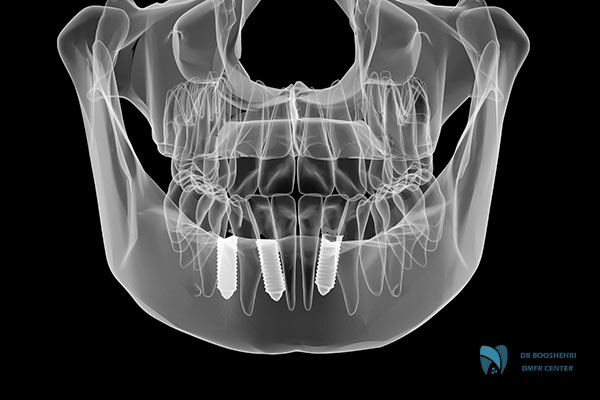
Advancements in Dental Imaging have been one of the most exciting and significant developments in the field of dentistry. From the discovery of X-rays to the emergence of digital technologies and three-dimensional imaging (CBCT), this field has not only increased the accuracy in diagnosing maxillofacial and dental issues but also revolutionized patient treatment.
In this article, you will learn about the History of Oral Radiology and explore the impact of Advances in Maxillofacial Radiology Technology on improving dental services. We will also answer key questions that can deepen your understanding of this field and assist you in selecting the best treatment methods.
Key questions addressed in this article:
- What is Oral and Maxillofacial Radiology, and what are its applications?
- How does 3D CBCT Imaging differ from traditional radiography?
- How does digital technology assist in Oral and Maxillofacial Radiology?
- Is dental imaging and maxillofacial radiology dangerous?
- What is the cost of 3D CBCT Imaging?
- How has the Advancements in Dental Imaging improved dental services?
- When is Oral and Maxillofacial Imaging necessary?
- What does the future of dental imaging look like?
Advancements in Dental Imaging: From X-rays to Digital Technology
Dental and Maxillofacial Imaging is one of the most crucial scientific advancements in oral health. The first steps in this transformation trace back to the discovery of X-rays in 1895 by Wilhelm Röntgen. The use of this technology in dentistry enabled the visualization of internal dental and maxillofacial structures, which were previously inaccessible through traditional methods. In the decades that followed, with the advancement of equipment and technology, oral and dental imaging gradually became more accurate and faster. The use of dental films and advanced devices increased the precision in diagnosing dental issues and allowed for more effective treatments. These advancements brought about a fundamental change in Oral Radiology.
Today, digital technology and the advent of advanced imaging equipment like digital radiography, 3D CBCT Imaging, and image analysis software have played a significant role in the development of this field. These technologies have not only facilitated the diagnosis of dental issues but also contributed to reducing treatment time and costs.
The First Steps in the History of Oral and Maxillofacial Radiology
The use of radiology in dentistry began with the discovery of X-rays. The first dental radiograph was taken in 1896 by Dr. Otto Walkhoff, a German dentist. This image was produced in just 25 minutes, marking a pivotal moment in the History of Oral Radiology. In the early decades, dental imaging faced challenges such as long exposure times and poor image quality. Over time, these issues were improved with the advent of more advanced devices and X-ray sensitive materials. The use of dental films, which were faster and more accurate, was a major step forward in the development of Oral and Maxillofacial Imaging.
These early steps not only laid the foundation for the transformation of dental imaging but also paved the way for the development of modern technologies such as digital systems and 3D imaging. This history shows how the initial efforts of researchers led to significant advancements in this field.

Discover the evolution of dental radiology, from oral and maxillofacial imaging to Advancements in Dental Imaging. Learn the key developments
Advances in Maxillofacial Radiology Technology in the 20th Century
The 20th century witnessed significant changes in Oral and Maxillofacial Radiology. During this period, the use of faster films, smaller devices, and more sensitive materials made imaging more accurate and quicker. These advancements made Oral Radiology a primary tool for diagnosing dental and maxillofacial issues. In the 1970s, the emergence of computer technologies brought about major changes. Digital systems and the use of high-quality images took the diagnosis and treatment of dental issues to a new level. These changes not only improved image quality but also enabled easier storage and sharing of information. The Advances in Maxillofacial Radiology Technology during the 20th century not only significantly improved dental imaging but also paved the way for the introduction of modern technologies like CBCT in the 21st century.
The Emergence of 3D Imaging in Oral and Maxillofacial Radiology
One of the most important developments in dental imaging was the introduction of 3D imaging systems such as CBCT. This technology, by providing more accurate and clearer images, enables a precise examination of the structures of the mouth and jaw. CBCT has been especially effective in diagnosing complex issues like tumors, bone analysis, and implant surgeries. CBCT systems, utilizing digital technology, allow dentists to obtain 3D images of the jaw and teeth of patients. These images aid in better diagnosis and the creation of more precise treatment plans. As a result, CBCT has become one of the primary tools in maxillofacial radiology clinics.
The advent of 3D imaging has brought about a fundamental transformation in this field. This technology has improved the accuracy and efficiency of diagnosing dental and maxillofacial problems to such an extent that traditional methods are no longer competitive.
The Impact of Digitalization on the Transformation of Dental Imaging
Digitalization in Oral and Maxillofacial Radiology is one of the most significant changes that has occurred in recent decades. With the introduction of digital systems, dental and maxillofacial images are now produced with higher quality and in less time. This shift has improved the speed and accuracy of diagnosing dental issues. One of the major advantages of digitalization is the reduction in radiation exposure to patients. Furthermore, this technology has made it possible to store and send images online. This feature allows dentists to receive more specialized consultations from their colleagues.
The digital transformation in Oral and Maxillofacial Radiology has not only made the diagnosis of dental problems easier but has also reduced overall costs and increased access to radiology services.
The Future of Oral and Maxillofacial Radiology: Advancements and Upcoming Challenges
The future of Oral and Maxillofacial Radiology will continue to be accompanied by ongoing technological advancements. Technologies such as artificial intelligence and machine learning will enable the automatic analysis of radiology images. These changes could further improve the accuracy and speed of diagnosing dental and maxillofacial problems. On the other hand, challenges such as the high cost of advanced equipment and the need for specialized workforce training still exist in this field. To overcome these challenges, investment in training and greater access to modern technologies is essential. In the future, Oral and Maxillofacial Radiology will move toward greater use of smart and safer systems. These advancements will not only enhance the quality of services but also provide a better and safer experience for patients.
Patient Ambiguities Regarding Radiology
What is Oral and Maxillofacial Radiology and What Are Its Applications?
Oral and Maxillofacial Radiology is a branch of medical imaging that examines the internal structures of the mouth, teeth, and jaws. This method is used to diagnose issues such as tooth decay, bone fractures, jaw problems, tumors, and surgical needs (such as dental implants). Advanced imaging, such as CBCT, also provides the ability to examine these structures in three dimensions.
How Does 3D Imaging (CBCT) Differ from Regular X-Rays?
3D imaging (CBCT) utilizes more advanced technology compared to regular X-rays. While traditional X-rays only provide two-dimensional images, CBCT generates three-dimensional images of the dental and jaw structures. These images offer greater accuracy and are especially useful for diagnosing more complex issues, such as bone analysis or implant surgery planning.
How Does Digital Technology in Oral and Maxillofacial Radiology Help Patients?
Digital technology in Oral and Maxillofacial Radiology reduces radiation exposure for patients and provides higher-quality images. Additionally, these images can be easily stored and sent, allowing doctors to share them with other colleagues. This feature helps improve diagnoses, treatment planning, and the provision of more accurate services to patients.
Is Dental and Jaw Imaging Dangerous?
Oral and Maxillofacial Imaging is generally safe. The amount of radiation used in dental radiology is very low, and even in digital imaging and CBCT, this level is further reduced. However, extra caution should be exercised for pregnant women or those sensitive to radiation, using these methods only when absolutely necessary.
How Much Does 3D CBCT Imaging Cost?
The cost of 3D CBCT imaging varies depending on the geographic location and type of clinic. In general, this type of imaging is more expensive than traditional X-rays, but due to its higher accuracy and ability to provide more precise information for diagnosis and treatment planning, it is highly valuable. To find out the costs, it is best to consult with local clinics.
Specialized Oral and Maxillofacial Radiology Services with Dr. Boushehri
In this article, you’ve learned about the evolution of dental imaging, the role of digital technology in Oral and Maxillofacial Radiology, and the advancements that have brought this field to its current state of expertise. As you’ve read, precise and timely diagnosis of dental and jaw issues requires advanced and specialized equipment, which can only be provided by skilled and experienced professionals. If you need accurate and specialized services in the field of Oral and Maxillofacial Radiology, the specialized center of Dr. Bushehri is a reliable and professional choice for you. Dr. Boushehri, with years of experience and utilizing the latest imaging technology, is ready to provide diagnostic and consulting services to you. You can easily book an appointment or use the services of this center and benefit from his knowledge and expertise.
If you have any questions or need more information, you can ask your question in the comment section. The team at Dr. Bushehri is ready to answer all your inquiries. For your health and peace of mind, take advantage of the expertise and experience of the best!