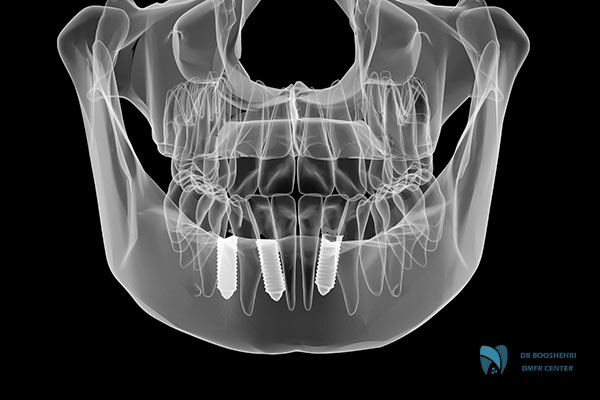
Salivary gland disease diagnosis is of great importance, as issues with these glands can have serious effects on oral health and overall quality of life. In this article, you will learn about the role of oral and jaw radiology in accurately identifying salivary gland diseases. These methods, including salivary gland imaging, help doctors quickly detect structural changes and functional problems of these glands, enabling them to provide the best treatment plan.
In the following, we answer key and important questions that will give you a better understanding of the diagnostic and treatment methods for salivary gland problems. Reading this article will help you familiarize yourself with advanced tools and techniques in this field and make more informed decisions about your health when needed.
Questions answered in this article:
- How does oral and jaw radiology help in salivary gland disease diagnosis?
- What methods are available for salivary gland imaging?
- What are the symptoms of salivary gland diseases, and when should imaging be used?
- Is salivary gland imaging dangerous?
- How can salivary gland diseases be prevented?
We recommend reading the full article to find answers to these questions and take an informed step toward preserving your health with accurate and scientific knowledge.
Oral and Jaw Radiology: A Modern Tool for Salivary Gland Disease Diagnosis
Oral and jaw radiology is one of the most advanced imaging tools, playing a crucial role in diagnosing salivary gland diseases. This technology helps doctors detect structural and functional changes in the salivary glands by providing high-quality, detailed images. Conditions such as salivary stones, chronic infections, and salivary gland tumors are better and more quickly diagnosed using this method.
Since salivary glands play a vital role in maintaining oral health, problems related to them can significantly affect an individual’s quality of life. By using oral and jaw radiology, doctors can obtain more precise information about the size, location, and abnormal changes in these glands, allowing them to make the best treatment decisions.
In recent years, technological advancements in medical imaging have led to increased accuracy and efficiency of these tools. One such technology is CBCT (Cone Beam Computed Tomography), which is particularly useful in diagnosing salivary gland diseases and can help reduce diagnostic errors.
Why is salivary gland imaging essential in disease diagnosis?
Salivary gland imaging is one of the most critical steps in the accurate diagnosis of salivary gland diseases. Many salivary gland diseases, such as sialadenitis (inflammation of the salivary glands) or sialolithiasis (salivary stones), have similar symptoms to other oral issues, and without imaging, they might be mistakenly diagnosed.
The necessity of using salivary gland imaging in this field lies in its high accuracy in detecting small and abnormal changes. With various imaging methods such as ultrasound, CT scans, and MRI, doctors can clearly visualize the affected areas and determine the severity and type of the issue. This information plays a key role not only in diagnosing the disease but also in designing a precise treatment plan.
Additionally, salivary gland imaging can help identify tumors and abnormal changes that may be asymptomatic in the early stages. This highlights the importance of early diagnosis and prevention of salivary gland diseases, contributing to the preservation of oral and jaw health.
The Role of Radiology Technology in Identifying Salivary Gland Issues
Radiology technology, utilizing advanced techniques, has become one of the most important tools in diagnosing salivary gland problems. This technology provides high-detail images of the internal structure of the salivary glands and aids doctors in accurately identifying the type of disease.
One of the key benefits of radiology is its ability to quickly diagnose issues like salivary duct obstructions or the presence of salivary stones. These problems can cause pain, swelling, and infection, which, if not diagnosed in time, may require more complex treatments. Oral and jaw radiology enables doctors to identify these issues early and begin appropriate treatment.
Moreover, oral and jaw radiology combined with advanced technologies like CBCT offers more detailed information to doctors. This method not only increases diagnostic accuracy but also helps reduce unnecessary radiation exposure, which is crucial for patient safety.
Salivary Gland Disease Diagnosis: How Radiology Helps
Radiology, by providing precise and high-resolution images, is a valuable tool for identifying issues related to the salivary glands. This imaging method allows for the detection of small changes and problems that might not be identified through regular examinations.
One of the primary applications of radiology in diagnosis is identifying salivary stones. These stones can block the salivary ducts, causing issues such as swelling and intense pain. With precise imaging, doctors can pinpoint the exact location of the stones and develop an appropriate treatment plan.
Additionally, radiology plays a key role in diagnosing salivary gland tumors. Using this technology, doctors can distinguish between benign and malignant tumors, leading to more accurate treatment planning. This is especially important in surgical treatments or radiation therapy.
Types of Salivary Gland Imaging Methods and Their Medical Applications
There are various imaging methods used to examine salivary gland issues, each with its specific applications and advantages. Ultrasound is one of the most commonly used methods for diagnosing simpler problems such as salivary duct obstructions or small stones.
For more complex cases, methods such as CT scans and MRIs are employed. CT scans, due to their ability to display 3D images and detailed structures, are suitable for diagnosing larger stones or structural changes in the salivary glands. MRI is used for identifying tumors and soft tissue changes, offering clearer images of these areas.
Another advanced method is sialography, which uses contrast material to produce accurate images of the salivary ducts. This technique is particularly useful for examining obstructions or changes in the internal structure of the ducts, helping doctors diagnose problems with greater precision.

Salivary gland disease diagnosis is easier with oral and jaw radiology and salivary gland imaging. Discover the best methods with us.
Challenges and Benefits of Using Oral and Jaw Radiology in Salivary Gland Diseases
The use of oral and jaw radiology in diagnosing salivary gland diseases offers many benefits, but also presents challenges. One of the main advantages is its high accuracy and ability to identify problems at early stages, which can help prevent disease progression and reduce treatment costs.
However, challenges such as the high cost of certain imaging methods and limited access to advanced equipment in some areas exist. Additionally, there are concerns regarding the level of radiation exposure, although modern technologies have minimized this risk.
Considering these benefits and challenges, the intelligent use of oral and jaw radiology can significantly improve the quality of diagnosis and treatment of salivary gland diseases. Proper planning and selecting the appropriate imaging method based on the patient’s needs are key to success in this field.
Frequently Asked Questions
How does oral and jaw radiology help diagnose salivary gland diseases?
Oral and jaw radiology provides high-resolution images that reveal the internal structure of the salivary glands. These images help doctors diagnose issues like salivary duct obstructions, salivary stones, infections, or tumors. Advanced methods like CT scans and MRI allow for more detailed observation, helping to develop an appropriate treatment plan.
What imaging methods are available for salivary glands?
There are several imaging methods available for salivary glands:
Ultrasound: Used to diagnose simple issues such as duct obstructions or small stones.
CT scans: Suitable for viewing larger stones or structural changes.
MRI: Used to examine soft tissues and diagnose tumors.
Sialography: Uses contrast material to provide detailed images of the salivary ducts, assisting in diagnosing obstructions or structural changes.
What are the symptoms of salivary gland diseases, and when should imaging be used?
Common symptoms of salivary gland diseases include swelling, pain in the jaw or neck, dry mouth, and difficulty swallowing. If these symptoms are persistent or severe, imaging can help determine the cause. Methods like oral and jaw radiology enable doctors to identify problems early.
Is salivary gland imaging dangerous?
Salivary gland imaging is generally safe and widely used for diagnosis. Methods like ultrasound and MRI are free from ionizing radiation and are considered completely safe. For techniques like CT scans or radiology, the radiation dose is minimal and controlled, with new technologies reducing exposure.
How can salivary gland diseases be prevented?
Prevention of salivary gland diseases includes maintaining good oral hygiene, drinking enough water to avoid dry mouth, and avoiding excessive consumption of salty and acidic foods that may lead to salivary stones. If any abnormal symptoms occur, visiting a doctor and undergoing appropriate imaging can help prevent disease progression.
Specialized Consultation in Oral and Jaw Radiology with Dr. Bushehri
If you’re looking for a professional specialist in oral, jaw, and facial radiology, we recommend utilizing Dr. Bushehri’s services. With years of experience and expertise, he is ready to offer high-quality services at his specialized imaging center. By utilizing advanced equipment and up-to-date knowledge, Dr. Bushehri can help accurately diagnose your salivary gland issues and provide appropriate treatment solutions.
Why Dr. Bushehri?
- Specialization in oral, jaw, and facial radiology
- Access to the most advanced imaging equipment
- Providing expert consultation and answering your questions at every stage
If you have any questions or need further consultation, feel free to ask your question in the comments section or book a consultation through Dr. Bushehri’s specialized imaging center. Take care of your health and take action today!