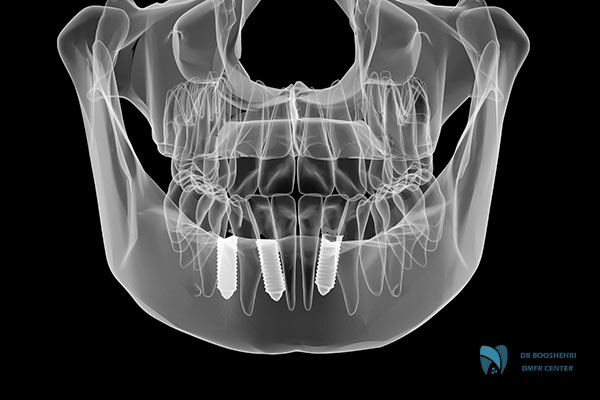
Dental radiography is a topic that examines its crucial role in the early detection of dental problems. You will learn how this effective technique can assist in identifying and preventing issues such as cavities, infections, and jaw abnormalities. Additionally, this article addresses important questions that are essential for anyone who values their oral health.
Below are some frequently asked questions that may also arise for you. We encourage you to read the entire article to obtain accurate and practical answers:
- Is dental radiography safe?
- How often do we need dental radiography?
- What issues does radiography reveal?
- Does radiography hurt?
- Do children also need dental radiography?
To get precise answers and understand the importance of radiography in the early detection of dental problems, be sure to read this article carefully.
How Does Dental Radiography Help in Preventing Dental Problems?
Dental radiography is one of the most important tools for diagnosing and preventing dental issues. This technique helps dentists detect problems that are not visible to the naked eye at early stages and prevents the emergence of more serious issues.
Types of Dental Radiography Images
Dental radiography includes various types that each serve specific purposes. Different types of dental radiography images help dentists accurately assess the condition of teeth and gums.
Some types of medical radiography include:
- Periapical radiography: This type of image helps examine the condition of the tooth root and surrounding tissues.
- Bitewing radiography: This method is suitable for identifying interproximal cavities and analyzing gum conditions.
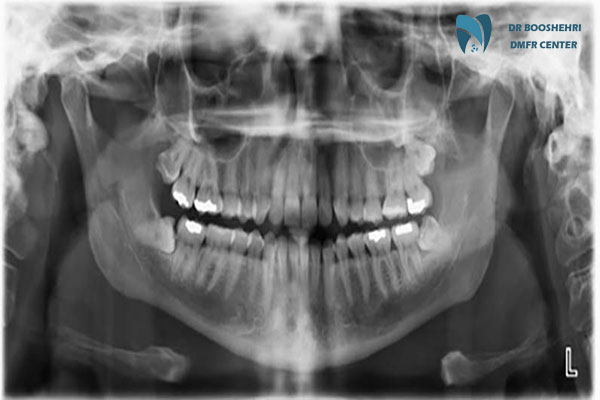
- Panoramic radiography: This type of image provides a broader overview of the mouth and shows all the teeth and jaw structures.
Each of these types is effective in diagnosing various dental and gum issues and facilitates the assessment of dental conditions.
| Type of Radiography |
Application |
Description |
| Periapical Radiography |
Examination of the root |
Suitable for diagnosing root infections and gum problems. |
| Bitewing Radiography |
Identification of cavities |
Suitable for identifying interproximal cavities and gum conditions. |
| Panoramic Radiography |
Overall mouth examination |
Provides a general view of all teeth and jaw structures. |
Radiography is particularly useful for diagnosing tooth decay, infectious diseases, jaw problems, and even structural abnormalities. Below, we will discuss some important reasons that highlight the key role of dental radiography in prevention:
Benefits of Dental Radiography
Early Detection of Tooth Decay Through Dental Radiography
Tooth decay is one of the most common dental problems that, if not identified and treated in its early stages, can lead to more severe destruction and may even require complex treatments such as root canals. Radiography allows the dentist to identify cavities that have formed on the inner surfaces of the teeth or between the teeth, which are not visible to the naked eye.
This early detection not only prevents the need for more expensive treatments but also helps maintain the long-term health of the teeth.
Diagnosis of Dental and Root Infections
Dental infections typically occur when decay penetrates to the deeper layers of the tooth and reaches the root. Root infections can cause inflammation, pain, and in more severe cases, lead to tooth loss. Radiography, particularly periapical radiography, allows dentists to identify dental infections earlier and initiate necessary treatments before they develop into acute problems. This quick diagnosis can prevent the need for complex surgeries or root canals.
Identifying Jaw and Wisdom Tooth Abnormalities
Improper growth of wisdom teeth or jaw issues is another concern that can be identified through radiography. Panoramic radiography, which provides an image of the entire jaw and teeth, enables dentists to detect structural problems such as jaw deviations or impacted wisdom teeth. If left untreated, these issues can lead to pain, inflammation, and even difficulties in chewing or speaking.
Recent research has shown that advancements in techniques and technologies have aided in the early and more accurate diagnosis of dental problems through radiography. The use of deep learning algorithms like YOLOv8 in dental radiography analysis has revolutionized the accuracy and speed of diagnosing dental diseases. This model has achieved an accuracy of up to 82.36% in identifying conditions such as tooth decay, gum disease, and even oral cancers, marking a significant improvement in the early diagnosis and treatment of these issues.
Preventing Orthodontic Problems Through Dental Radiography
Preventing Orthodontic Problems Through Dental Radiography
In many cases, dental and jaw problems requiring orthodontic treatment can be identified during childhood and adolescence. Radiography at these ages can assist the dentist in examining the growth and positioning of the teeth and jaw, allowing timely intervention if orthodontic treatment is necessary. These actions can prevent more serious issues in adulthood. In pediatric dentistry, research indicates that radiography is essential not only for diagnosing dental diseases but also for planning orthodontic treatment and correcting early dental anomalies. This is especially important during the mixed dentition phase, as early detection of deviations in the dental eruption pattern can help prevent more complex problems in the future.
The Vital Role of Radiography in Early Detection of Tooth Decay and Infection
Dental radiography is one of the most effective tools for the early identification of cavities and dental infections. Tooth decay and infections often go unnoticed in their initial stages, as patients may not exhibit any symptoms. However, these images help dentists recognize and treat these problems at their earliest stages.
Bitewing Radiography for Detecting Interdental Cavities
Cavities located between the teeth are not easily visible and are often only detectable through bitewing radiography. This type of radiography allows the dentist to identify small cavities and prevent their progression. Early treatment of these cavities can prevent the need for larger fillings or even more extensive treatments.
Periapical Radiography for Assessing Root Infections
Periapical radiography provides accurate images of the entire tooth, from the crown to the root. This type of imaging enables dentists to identify infections or issues present deep within the tooth and root. If root infections are not identified and treated in a timely manner, they may spread to other areas of the mouth, necessitating complex treatments such as surgery or even tooth extraction.
The Importance of Dental Radiography in Patients with Unexplained Symptoms
Sometimes, patients visit the dentist with vague symptoms such as dull pain, tooth sensitivity, or gum inflammation, yet no specific issues are identified through clinical examination. In such cases, radiography can precisely reveal the source of the problem. For instance, there may be a small cavity in a tooth that has not yet caused significant pain or sensitivity, but is clearly visible on the radiograph.
Benefits of Dental Radiography: Accurate Diagnosis and Prevention of Larger Problems
Dental radiography provides detailed images of the structures of teeth and jaws, enabling dentists to accurately diagnose complex issues and prevent larger, more complicated problems. This advanced method is significant for the following reasons:
Cost Savings
Early detection of dental issues through radiography can prevent the need for expensive treatments. For example, identifying a small cavity at an early stage may only require a filling, whereas if the issue reaches the root, the patient may need a root canal or even surgery, incurring higher costs.
Reduction of Serious Complications
Oral diseases, such as dental infections or jaw problems, can lead to more serious complications like tooth loss, structural changes in the jaw, or the spread of infection to other parts of the body if not treated promptly. Radiography helps prevent the onset of these complications through early diagnosis.
Improvement of Patients’ Quality of Life
Dental problems that are not identified and treated in a timely manner can cause pain, inflammation, and difficulties in eating and speaking. Radiography helps identify these issues quickly, improving patients’ quality of life and reducing their pain and discomfort.
Prevention of Long-Term Problems
Radiography is effective not only in treating current issues but also in preventing future problems. For instance, by examining the conditions of teeth and jaws in children and adolescents, improper tooth growth or orthodontic issues can be prevented.
Dental radiography is an invaluable tool in the diagnosis and prevention of oral health problems. This method not only allows dentists to identify complex issues but also helps patients avoid more serious problems and higher costs through early diagnosis and timely treatment. Regular use of radiography is a crucial step in maintaining oral health and preventing complex and painful diseases.
Five Frequently Asked Questions About Dental Radiography
Is dental radiography safe?
Yes, dental radiographs are very safe due to the use of modern technologies. The radiation dose that patients receive is very low and within safe limits. Additionally, protective coverings are used to further reduce exposure to radiation.
How often do we need dental radiography?
This depends on the individual’s oral health status. For those with a history of dental problems or those undergoing specific treatments, more frequent radiographs may be necessary. Generally, the dentist makes decisions based on each patient’s condition.
What problems can radiography reveal?
Dental radiography can identify issues such as hidden cavities, dental infections, nerve problems, jaw and dental abnormalities, cysts, and even tumors.
Does radiography hurt?
No, dental radiography is completely painless. It is a quick and non-invasive imaging method that takes only a few minutes.
Do children also need dental radiography?
Yes, children need dental radiography as well. It helps in the early detection of dental growth issues and prevents future problems.
With the use of dental radiography, dentists can accurately and promptly identify and treat dental problems.
This article discusses the importance of dental radiography and its vital role in the early diagnosis of dental issues such as cavities, infections, and jaw abnormalities. With accurate and timely diagnosis, many oral health problems can be prevented or treated, helping to maintain health and avoid high treatment costs.
If you are looking to improve your oral health and prevention efforts, Dr. Boushehri, a prominent oral and maxillofacial radiology specialist in Shiraz, is ready to provide specialized services in this field. With years of experience and expertise in dental imaging, Dr. Boushehri can accurately identify your dental issues and recommend appropriate treatment options. You can benefit from his consultation and specialized services by visiting Dr. Boushehri’s specialized imaging center.
If you have any questions about dental radiography or the consultation appointment process, please feel free to ask in the comments section; we will be happy to answer your questions.