Evaluation of restored teeth is one of the critical topics in dentistry that addresses the examination of the health of restored teeth and the identification of potential issues. In this article, you will become familiar with the importance of the evaluation of restored teeth and the role of bitewing radiography in this process. We will also answer important questions that are essential for maintaining your oral health.
Questions raised:
- How is the evaluation of restored teeth performed?
- Why should we evaluate the condition of restored teeth?
- What are the benefits of bitewing radiography?
- What warning signs indicate issues with restored teeth?
- How long after tooth restoration should the evaluation be conducted?
By reading this article, you can find answers to all your questions and gain useful information regarding the evaluation of restored teeth.
Evaluation of restored teeth using bitewing radiography
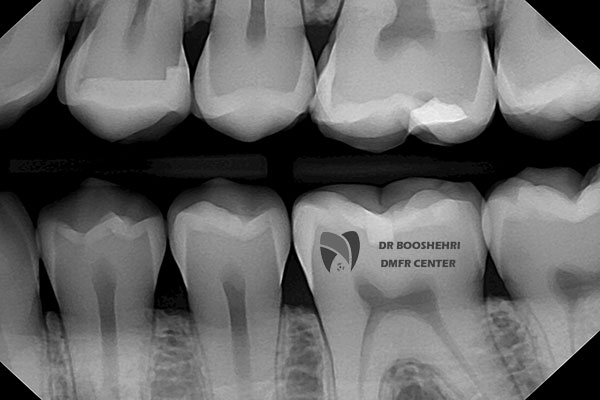
Bitewing radiography is one of the vital tools in dentistry for evaluating the condition of restored teeth. This type of radiography helps dentists closely examine the status of restorations and identify potential weaknesses and issues. By placing a radiographic film in the patient’s mouth and capturing an image, the dentist can easily observe the surface of restored teeth and the surrounding areas. These images not only assist in the early diagnosis of problems but also emphasize the assessment of the quality of the restorations. Studies have shown that bitewing radiography, due to its high accuracy and ability to display detailed features, particularly in the posterior areas of the teeth, is a key tool for diagnosing periodontal diseases and analyzing bone condition.
In the evaluation of restored teeth, bitewing radiography can reveal signs of new decay, infection, or possible fractures in the restorations. This information is crucial for determining the need for additional treatments or reevaluating previous restorations. Given that some issues may not be initially visible, utilizing this method allows dentists to make the best treatment decisions through careful observation.
Why is the evaluation of restored teeth essential?
The evaluation of restored teeth is necessary for several reasons. The first reason is that restored teeth can gradually suffer damage or decay over time. These damages may arise from various factors such as poor oral hygiene, mechanical stresses from chewing, or even acidic foods. Therefore, periodic monitoring of the condition of these teeth is of particular importance.
Additionally, regular evaluation of restored teeth can aid in the early diagnosis of problems. By conducting these evaluations, dentists can take actions to prevent the worsening of issues, which can help reduce treatment costs and maintain the patient’s oral health. Ultimately, these evaluations provide dentists with valuable information regarding the lifespan of restorations and the need for their replacement or repair.
Benefits of evaluating restored teeth using bitewing radiography
The benefits of evaluating restored teeth using bitewing radiography are quite significant, and this method is considered a key tool in dentistry. One of the most important advantages is the ability of this type of radiography to provide clear and precise images of restored teeth. With these images, dentists can identify small changes and existing defects that may not be visible during routine clinical examinations. This capability allows for timely necessary treatments before more serious problems arise.
Moreover, bitewing radiography enables dentists to assess the condition of the soft tissues surrounding the teeth, including the gums. This feature is crucial for identifying gum diseases and issues related to the jawbone. By quickly identifying these problems, the dentist can recommend appropriate preventive measures that help maintain the health of the teeth and gums. Another advantage of this method is its comfort and speed for patients. Bitewing radiography is a non-invasive and quick procedure that allows patients to have their teeth assessed without discomfort or pain. This characteristic makes patients feel more at ease during treatment and increases their willingness to undergo regular check-ups.
Evaluating restored teeth with bitewing radiography not only helps prevent future problems but also boosts patients’ confidence in caring for their teeth. Given the importance of maintaining oral health, this method is recognized as an effective tool in modern dentistry and plays a significant role in improving patients’ quality of life.
Key points in the evaluation of restored teeth
In the evaluation of restored teeth, there are several key points to consider. The first point is that regular examinations should be conducted periodically. Depending on the type of restoration and the overall condition of the teeth, the dentist may recommend that these evaluations be performed every six months or once a year. This periodic monitoring helps with the early diagnosis of problems and allows for timely intervention.
Another important point is paying attention to warning signs such as pain, sensitivity, or discoloration of restored teeth. If a patient experiences these symptoms, they should visit the dentist as soon as possible for the evaluation of restored teeth. Additionally, providing patients with health education regarding how to care for restored teeth and the importance of maintaining oral hygiene can significantly impact the health of these teeth.
How the evaluation of restored teeth improves oral health
The evaluation of restored teeth can help improve oral health in several ways. First, this evaluation aids in identifying potential issues with restored teeth that may remain asymptomatic. By using bitewing radiography, dentists can detect hidden defects or damages, such as recurrent decay or interproximal leakage. Early identification of these problems can help prevent disease progression and the need for more complex and costly treatments in the future.
Furthermore, the evaluation of restored teeth allows dentists to examine the condition of the gums and the soft tissues surrounding the teeth. Gum issues such as inflammation or infection can significantly affect oral health. By identifying these problems in their early stages, the dentist can propose preventive treatments and proper management that contribute to maintaining and improving gum health.
On the other hand, regular evaluations of restored teeth motivate patients to manage their oral hygiene better. When patients realize that their restored teeth are being monitored by the dentist and are continuously checked, they are likely to feel a greater sense of responsibility for their oral health. This positive attitude leads to improved hygiene habits such as regular brushing, flossing, and scheduling regular dental visits.
Frequently Asked Questions
- How is the evaluation of restored teeth performed?
To evaluate restored teeth, dentists typically use bitewing radiography. This method involves placing a radiographic film in the patient’s mouth and taking precise images of the teeth and their surrounding areas. These images allow the dentist to clearly observe the condition of the restorations and check for signs of decay or other issues. After capturing the images, the dentist analyzes them and makes necessary treatment decisions based on the findings. This process is usually completed during a dental visit and takes a short amount of time.
- Why should we evaluate the condition of restored teeth?
Evaluating the condition of restored teeth is highly important because these teeth may be at risk of decay, infection, or damage. Over time, influenced by various factors such as oral hygiene, diet, and mechanical pressures, the quality of the restorations may decline. Therefore, regular monitoring of these teeth can help identify issues before they become serious problems. Additionally, evaluating the condition of restored teeth can prevent high treatment costs in the future and contribute to the overall health of the patient’s mouth and teeth.
- What are the benefits of bitewing radiography?
Bitewing radiography has several advantages that make it a suitable tool for evaluating the condition of restored teeth. This type of radiography can provide clear and accurate images of the teeth and their surrounding areas. These images enable the dentist to identify hidden problems, such as interproximal decay or signs of infection. Furthermore, bitewing radiography is non-invasive and quick, allowing patients to feel more comfortable. In addition, this method helps dentists make better treatment decisions and enhances the quality of care provided to patients.
- What are the warning signs in the condition of restored teeth?
Patients should pay attention to several warning signs that may indicate a problem with the condition of restored teeth. One of the most common signs is sensitivity to temperature or pressure, which may indicate decay or damage to the restoration. Additionally, discoloration of the tooth or pain in the area of the restored teeth should also be taken seriously. If a patient experiences any of these symptoms, they should visit the dentist as soon as possible for the evaluation of restored teeth. Early identification of these signs can help prevent serious issues and costly treatments.
- How long after a tooth restoration should the evaluation be performed?
The length of time to wait for an evaluation after a tooth restoration depends on the type of restoration and the overall condition of the teeth. Generally, dentists recommend that regular evaluations be conducted every six months to once a year. These evaluations assist in the early detection of problems and can help maintain the health of restored teeth and prevent larger issues from arising. Additionally, if a patient has recently had a restoration or experiences any signs of pain or sensitivity, it is advisable to see the dentist sooner than scheduled to carefully assess the condition of the restored teeth.
Conclusion
In conclusion, the evaluation of restored teeth is a crucial process that helps maintain your oral health. By utilizing bitewing radiography, you can facilitate the early detection of problems and prevent the emergence of more serious issues. If you are seeking specialized consultation and treatment in this area, you can benefit from the services of Dr. Boushehri, an expert in oral, jaw, and facial radiology. With years of experience and expertise in dental imaging, he can assist you in caring for your restored teeth with confidence and peace of mind.
You can visit his specialized imaging center for consultation appointments. In this center, they will provide you with the best services using the most advanced technologies and equipment. If you have any questions or need further guidance, feel free to post your inquiries in the comments section, and they will be promptly addressed. Stay with us and keep your restored teeth healthy in the best possible way.