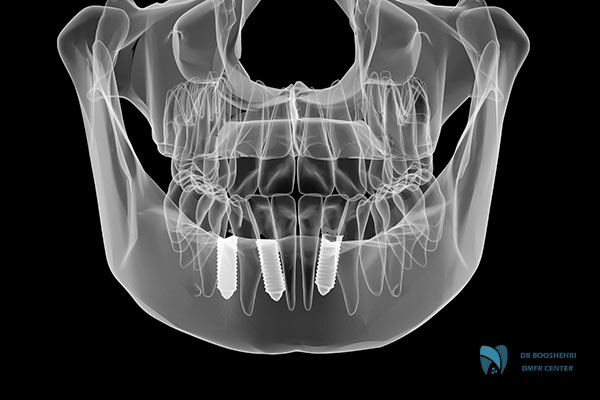
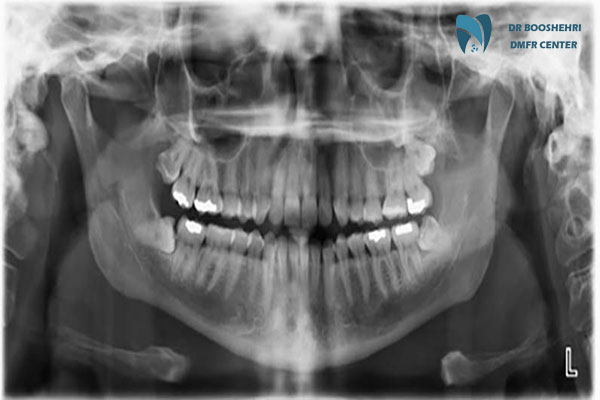
The role of radiography in orthodontics is a topic that we will explore in this article, along with the importance of dental orthodontic radiography. This content will help you understand why radiography is a crucial part of diagnosing dental and jaw issues and how it can prevent more serious problems from arising. Additionally, key questions will be answered that are essential for successful orthodontic treatment planning. Below, we will address frequently asked questions that may be on your mind.
Frequently Asked Questions about Radiography in Orthodontics:
- Why is radiography important in orthodontic treatment planning?
- What types of radiographs are used in orthodontic treatment?
- What is cephalometric radiography and what is its purpose?
- What role does panoramic radiography play in orthodontics?
- What is the role of radiography in orthodontics and how does it aid treatment?
- What are the new technologies in orthodontic radiography?
To find the answers to these questions and gain a deeper understanding of imaging processes in orthodontics, be sure to read the full article.
The Role of Radiography in Dental Orthodontics
The Role of Radiography in Dental Orthodontics
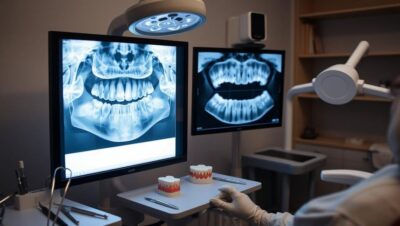
Orthodontic radiography is a vital tool for dentists and orthodontists in planning orthodontic treatment. Through precise and comprehensive imaging, dentists can observe the details of the jaw and teeth structure, preventing more complex problems in the future. This article will discuss the role of radiography in dental orthodontics at various stages of orthodontic treatment.
The Importance of Radiography in Dental Orthodontics and Treatment Planning
Orthodontic radiography allows dentists to clearly view the precise structure of teeth, jaws, and even their relationships with one another. Accurate orthodontic treatment planning requires a thorough understanding of the patient’s jaw and teeth conditions, which can only be achieved through radiography. Without this technique, dentists may be unable to identify hidden problems such as jaw misalignments or abnormal tooth positions.
The Role of Radiography in Orthodontic Assessments
One of the primary applications of radiography is in initial assessments, helping the orthodontist design an accurate treatment plan for the patient. These assessments include examining the precise positions of the teeth and their relationship with the jaw, evaluating the adequate space for the growth of new teeth, and identifying potential problems that may arise during treatment. Additionally, radiography can be used in follow-up evaluations to track treatment progress and observe changes in the structure of the teeth.
Early Diagnosis of Dental and Jaw Anomalies through Orthodontic Radiography
With orthodontic radiography, anomalies such as dental misalignment, incorrect jaw positioning, and impacted teeth can be easily identified. If these problems are diagnosed early, appropriate treatment measures can be taken to prevent complications later in the treatment process. This type of diagnosis can help correct jaw problems at a young age, reducing the need for complex surgeries in the future.
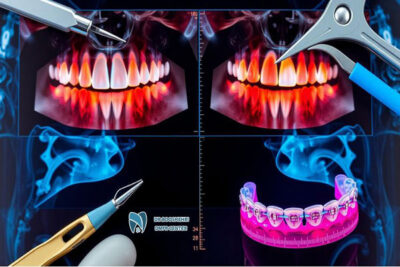
Early detection of dental problems through radiography helps prevent serious complications and improve treatment. Learn more about dental orthodontic radiography!
Types of Radiography Used in Orthodontics
Radiographs are categorized into various types based on the treatment goals, each having specific applications in orthodontic treatment planning. In this section, we will introduce and explain two main types of radiography used in orthodontics.
In orthodontics, several types of radiographs exist, each with its own features and applications. One of the most commonly used methods is panoramic radiography, which helps the doctor visualize a comprehensive view of all the patient’s teeth and jaw structures. This wide image encompasses all areas of the mouth. Another type is digital radiography, which offers high-quality images with greater accuracy. This modern technology reduces imaging time and provides instant image display. Lateral and occlusal radiographs are also effective in diagnosing and treating oral issues. The choice of radiography type depends on the patient’s needs and the nature of dental problems. We will further explore other types of radiography.
Cephalometric Radiography and Its Application in Orthodontic Treatment
Cephalometric radiography is one of the most important tools in orthodontic treatment planning. This type of radiography allows orthodontists to obtain precise images of the patient’s skull and jaw structure. Besides displaying the position of the teeth, cephalometric radiography illustrates the relationship between the upper and lower jaws and the positioning of the teeth. This information helps dentists design an appropriate treatment plan to improve the alignment of the teeth and jaws.
Panoramic Radiography for Overall Assessment of the Jaw and Teeth
Panoramic radiography is a common and essential method for evaluating the overall condition of the jaw and teeth in orthodontics. This radiography provides a wide image of all teeth, jaws, and related bone structures, helping dentists identify hidden issues like impacted teeth, cysts, and tumors. This type of radiography is also useful in assessing tooth growth stages and determining the appropriate timing for starting orthodontic treatment.
The Impact of Radiography on Preventing Orthodontic Problems
One of the most significant benefits of radiography in orthodontic treatment is its role in preventing the emergence of more complex issues in the future. By accurately and timely diagnosing dental and jaw problems, it is possible to avoid more complex and costly treatments.
The Role of Radiography in Predicting Growth Issues of the Jaw and Teeth
During childhood and adolescence, when teeth and jaws are still developing, radiography enables orthodontists to anticipate growth changes. If issues like jaw deviations or insufficient space for tooth growth are detected early, early interventions can be employed to prevent further complications. Such predictions allow dentists to initiate preventive treatments, such as using removable or fixed orthodontic devices, earlier.
Preventing Complex Treatments Through Radiography
Timely diagnosis of issues such as tooth impaction or jaw anomalies through radiography allows for early therapeutic intervention. These early interventions can prevent the need for complex surgeries, tooth extractions, or the use of heavy orthodontic appliances. In fact, radiography enables dentists to resolve complex issues with minimally invasive actions, thereby avoiding lengthy and costly treatments in the future.
In conclusion, radiography plays a vital role in diagnosing and treating orthodontic issues. It enhances the precision of treatment planning stages, leading to improved efficiency and better outcomes in treatment.
New Technologies in Orthodontic Radiography
Technological advancements in radiography have significantly improved the accuracy and quality of images. These improvements assist orthodontists in planning their treatments more precisely and effectively using advanced imaging techniques.
Use of 3D Imaging Techniques in Orthodontic Treatment Planning
3D imaging techniques, or CBCT (Cone Beam Computed Tomography), are among the most advanced dental imaging methods used in orthodontics. This technique allows orthodontists to obtain accurate three-dimensional images of the jaw, teeth, and surrounding structures. This 3D information helps dentists plan treatments more accurately and make better clinical decisions. Advantages of this technique include reduced errors in placing orthodontic devices and increased treatment success.
Impact of High Accuracy in Digital Radiography on Treatment Improvement
Digital radiography is another significant innovation in dental imaging, offering higher accuracy and speed compared to traditional methods. This technology enables dentists to obtain precise images of teeth and jaws instantly, which can be utilized for more thorough examinations. The high accuracy of these images ensures that even the smallest anomalies are identified and appropriate treatments are considered.
Radiography plays a crucial role in the success of orthodontic treatments. From accurate diagnosis of dental and jaw issues to preventing more severe complications, this technology aids orthodontists in making precise and effective treatment plans for their patients. Additionally, with technological advancements and the introduction of 3D and digital imaging methods, the accuracy and quality of orthodontic treatments have improved significantly.
In this article, we addressed the importance and role of radiography in dental orthodontics and the significance of radiographic planning in orthodontic treatment. Dental radiography is a powerful tool for identifying jaw and dental issues, which can significantly impact the success of orthodontic treatment. Moreover, using specialized imaging types such as cephalometric and panoramic radiography helps dentists provide more accurate treatments and prevent more severe problems.
If you are looking for high-precision imaging services and specialized consultation in Iran,Shiraz, Dr. Boushehri, a specialist in oral and maxillofacial radiology with years of experience and expertise in this field, is ready to assist you in diagnosis and treatment planning. His specialized imaging center uses the most advanced radiological technologies to provide the most accurate results. You can schedule a consultation through this center, ensuring that all imaging and analysis processes are carried out with the utmost precision and professionalism.
If you have any questions about dental radiography or the consultation process, please feel free to ask them in the comments section; Dr. Boushehri’s team will be happy to answer all your questions.
Frequently Asked Questions About the Role of Radiography in Orthodontics
Why is Radiography Important in Orthodontic Treatment Planning?
Radiography is crucial in orthodontic treatment planning because it allows dentists and orthodontic specialists to accurately examine dental and jaw structures. Many jaw and dental abnormalities, such as impacted teeth, jaw growth disorders, or issues like tooth misalignment or crowding, cannot be diagnosed through clinical examination alone. Radiography provides precise images of the inside of the mouth and jaw, helping specialists correctly identify problems and formulate an appropriate treatment plan for the patient. These images enable better prediction of tooth movement, their direction, and any obstacles that may arise during treatment.
What Types of Radiography are Used in Orthodontic Treatment?
Several types of radiography are utilized in dental orthodontics, each serving a specific role and application. The most important types of radiography used in orthodontics include:
- Panoramic Radiography: Provides an overview of the entire mouth and jaws.
- Cephalometric Radiography: Used to assess the relationship between teeth and jaws and the overall structure of the face.
- Periapical Radiography: Used for detailed views of teeth from crown to root.
- Bitewing Radiography: Employed to examine cavities and spacing between teeth.
Each of these radiographies has a unique role in identifying various issues and optimizing treatment plans.
What is Cephalometric Radiography and What is its Purpose?
Cephalometric radiography is one of the most important diagnostic tools in orthodontics, allowing specialists to accurately assess the bony structures of the jaw and face. This type of radiography produces lateral images of the patient’s head and face, showing the relationship between teeth, jaw, skull, and other facial components. With the help of cephalometric analysis, orthodontists can evaluate jaw angles and tooth positions relative to other facial structures and predict potential changes during treatment. This method is particularly beneficial in cases requiring jaw surgery or when a patient has severe jaw abnormalities.
What Role Does Panoramic Radiography Play in Orthodontics?
Panoramic radiography is one of the essential tools for overall evaluation of the mouth and jaws in orthodontics. This type of radiography provides a two-dimensional image of the entire jaws, teeth, jaw joints, and even the areas of the jaw’s sinuses. By utilizing panoramic radiography, orthodontists can observe the overall condition of the teeth, roots, and jawbones and identify any abnormalities, such as impacted teeth or lack of space for tooth eruption. These images assist specialists in presenting a comprehensive treatment plan and managing potential changes during treatment more effectively.
How Does Radiography Help in Preventing Orthodontic Issues?
Radiography plays a vital role in preventing orthodontic issues by providing accurate images of tooth and jaw structures, enabling the early identification of potential problems. For instance, impacted teeth or jaw growth abnormalities that may remain hidden in children and adolescents can be quickly identified through radiography. Early identification and treatment of these problems can prevent the need for more complex and costly treatments in the future. Additionally, radiography can detect incorrect growth patterns of teeth, allowing for preventive orthodontic measures to correct these issues.
What Are the New Technologies in Orthodontic Radiography?
In recent years, new technologies in orthodontic radiography have been introduced, resulting in increased accuracy and reduced radiation exposure to patients. Some of these advanced technologies include:
- Digital Radiography: Compared to traditional radiography, digital images are more accurate and faster, allowing for better and quicker analysis by dentists.
- CBCT (Cone Beam Computed Tomography): This type of three-dimensional imaging enables dentists to obtain highly accurate images of dental and jaw structures, particularly useful in more complex orthodontic cases.
- Reduced Radiation Exposure: With advancements in technology, the amount of radiation patients receive during radiography has been minimized, significantly reducing health concerns.
These new technologies have made orthodontic radiography more accurate, faster, and safer than before, helping patients and dentists achieve the best outcomes from orthodontic treatments.