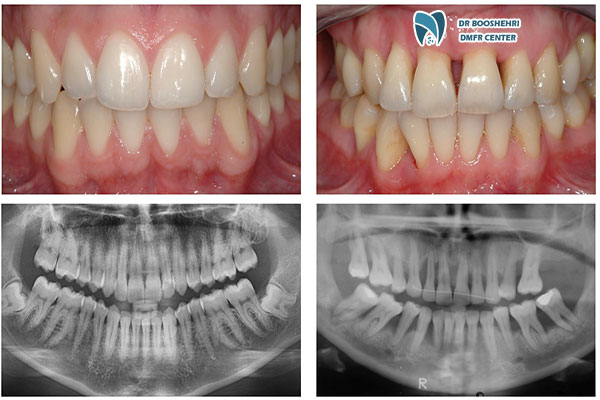
Gum disease diagnosis is a critical aspect of oral health that many individuals face. In this article, you will learn how gum radiography is used to detect gum and oral health problems and understand the role of oral radiology radiation in this process. Additionally, we will answer key questions you might have on this topic, providing essential insights for preventing and treating gum and oral diseases. Stay with us until the end of this article to gain all the necessary knowledge.
Questions Answered in This Article:
- How does radiography help in diagnosing gum disease?
- Is gum radiography dangerous?
- When is radiography essential for diagnosing gum disease?
- Can radiography detect gum disease in its early stages?
- How can you choose the right center for gum radiography?
These questions address common concerns, so we recommend reading the entire article to gain valuable information.
Using Radiography to Diagnose Gum Diseases
Accurate gum disease diagnosis relies heavily on radiographic evaluation to measure alveolar bone height, assess patterns and extent of bone loss, and identify bone defects. Two-dimensional (2D) methods, like bitewing and periapical radiography, are commonly used for assessing surface bone damage. Meanwhile, advanced three-dimensional (3D) techniques, such as cone-beam computed tomography (CBCT), provide precise visualization of complex periodontal structures and deep defects.
Radiography also helps dentists identify periodontal ligament spaces, lamina dura, and calculus deposits, offering comprehensive information essential for treatment planning. This process makes gum radiography an invaluable tool in modern dentistry.
How Does Radiography Help Diagnose Gum Disease?
Diagnosing gum disease is a critical step in maintaining oral health. Radiography, or X-ray imaging, is a powerful tool that helps dentists identify issues not visible during a routine exam. With gum radiography, clear images of bone structures and surrounding gum tissues are obtained, allowing detection of conditions like gingivitis, bone resorption, or small cysts and tumors.
Oral radiology radiation enables dentists to observe minor changes in bone and soft tissues, playing a vital role in diagnosing early gum disease symptoms. For example, bone loss due to advanced periodontal diseases such as periodontitis can be accurately depicted through gum radiography.
Overall, X-ray imaging is a safe and effective method for diagnosing gum disease. It not only aids in identifying issues but also supports planning appropriate treatments. By choosing a reliable radiology center equipped with advanced tools, you can significantly enhance diagnostic accuracy and treatment quality.
Benefits of Gum Radiography in Oral Health Diagnosis
Gum radiography is an advanced technique for accurately detecting gum and oral health issues. A key benefit is its ability to provide high-resolution images of internal oral tissues, enabling rapid diagnosis of conditions like gum inflammation or hidden infections. Early gum disease diagnosis through precise imaging can prevent the progression of more severe issues like periodontitis.
With the use of oral radiology radiation, dentists can measure periodontal pocket depths, critical for assessing the severity of gum diseases. Additionally, this method allows early detection of minor changes in bone density, facilitating timely treatment.
Another advantage of gum radiography is its safety and speed. Patients can quickly and painlessly learn about their oral health status. Selecting a reputable radiology center with cutting-edge technology ensures high-quality images and diagnostic precision.
Discover how gum diseases are diagnosed using radiographic imaging. Learn about X-ray risks, benefits, and accurate diagnosis methods.
The Relationship Between Oral Radiology Radiation and Gum Disease Diagnosis
Oral radiology radiation is a key tool for identifying oral and gum problems. By providing detailed images of internal oral structures, it enables dentists to detect conditions such as gum inflammation, root infections, and bone loss. Gum disease diagnosis is made possible through radiography, as this method can reveal microscopic changes in bones and soft tissues.
One of the most remarkable features of gum radiography is its ability to identify issues that are typically not visible during clinical examinations. For instance, if an infection or bone loss is in its early stages, radiography facilitates faster and more effective diagnosis. Additionally, this method provides dentists with critical information for planning appropriate treatments.
While concerns about the safety of oral radiology radiation may arise, modern technologies and reduced radiation doses have made this method highly safe and reliable. Choosing a reputable radiology center equipped with advanced tools ensures safety and accuracy.
The Role of Oral and Dental Imaging in Preventing and Treating Gum Diseases
Oral and dental imaging, specifically through gum radiography, is not only effective for diagnosing existing diseases but also plays a vital role in preventing serious issues. With oral radiology radiation, dentists can identify areas prone to disease and recommend preventive measures.
One important application of gum disease diagnosis through imaging is the detection of microbial plaque, which can lead to infections. Early detection of such problems can prevent disease progression and the need for more complex treatments. Moreover, this method provides precise information about bone density and the condition of tooth roots.
Preventing gum diseases with the help of gum radiography can reduce treatment costs and improve patients’ quality of life. Selecting a trusted radiology center for precise and advanced imaging is essential for achieving accurate diagnoses and effective preventive care.
Is gum radiography sufficient for the accurate gum disease diagnosis?
Gum radiography is a powerful tool for identifying gum diseases, but it cannot replace clinical examinations and other diagnostic methods on its own. Gum disease diagnosis typically requires a combination of physical exams, reviewing the patient’s medical history, and using imaging technologies such as oral radiology radiation.
Radiographs can provide information about the depth of periodontal pockets, bone loss, and the presence of infections. However, to complete the diagnosis, dentists may use additional tests, such as examining gum tissue or conducting microbiological tests.
Although gum radiography is a vital tool, it should be combined with other methods for greater accuracy. Choosing a reliable radiology center with experienced professionals can improve the quality of diagnosis and treatment.
Recommendations for choosing a reliable radiology center for gum disease diagnosis
Choosing a reliable radiology center for gum disease diagnosis is of great importance. Centers equipped with advanced gum radiography equipment can provide more accurate and higher-quality images, which play a crucial role in diagnosing and treating gum diseases.
When selecting a center, consider factors such as the experience of the specialists, up-to-date equipment, and adherence to safety standards. Using devices with low oral radiology radiation doses can ensure patient safety. Additionally, reviewing feedback from other patients and recommendations from dentists can aid in making a better choice.
A reliable radiology center should be able to provide specialized services for the diverse needs of patients, including gum radiography. Choosing such centers can contribute to more accurate diagnoses and faster treatments.
Frequently Asked Questions by Users About Gum Disease Diagnosis with Radiography
- How does radiography help in diagnosing gum disease?
Radiography is an advanced tool for examining the internal structures of the mouth, allowing dentists to detect issues such as bone loss, infections, or gum inflammation that cannot be seen with the naked eye. This method provides precise images of the gums and jawbone, offering valuable information for treatment planning.
- Is gum radiography dangerous?
Gum radiography is very safe, utilizing modern technologies and low radiation doses. Reliable centers use equipment that minimizes radiation exposure. By adhering to safety standards, the risks of this method are fully controlled for patients.
- When is radiography essential for diagnosing gum disease?
Radiography can be helpful when symptoms of gum disease, such as bleeding, gum recession, or bad breath, are present. It helps determine the severity and type of the disease. Additionally, for evaluating periodontal pockets or bone loss caused by advanced disease, radiography is necessary.
- Can radiography detect gum disease in its early stages?
Yes, radiography is one of the best methods for identifying gum disease in its early stages. It can detect microscopic changes in the bone and gum tissues, preventing the progression of the disease. Early diagnosis through radiography can make treatment simpler and more effective.
- How can one choose the right center for gum radiography?
Choosing a reputable center with advanced equipment and experienced specialists is crucial. Centers using low-dose radiation devices and up-to-date technologies usually provide more accurate and safer images. You can review patient feedback and consult with your dentist to choose the best center.
Why Dr. Boushehri is the best choice for gum disease diagnosis?
Dr. Boushehri, a specialist in oral radiology, jaw, and facial radiology, with years of experience and the use of the most advanced imaging equipment, is ready to assist you in the diagnosis and treatment of gum diseases. His specialized imaging center, offering professional and precise services, is one of the best in this field.
If you are seeking an accurate diagnosis and effective treatment for oral and gum issues, you can take advantage of Dr. Boushehri’s consultation services. To book an appointment or for more information, visit the consultation section of his center. If you have any questions, you can also ask in the comments section and receive answers from the expert team.