The Future of Maxillofacial Surgery is a topic that we aim to explore in this article, introducing the innovations and new technologies that have emerged in this field, including 3D printing, artificial intelligence, and smart biomaterials. You will learn how these technologies have contributed to increasing accuracy, reducing surgical risks, and improving treatment outcomes. Additionally, we will answer questions that are essential for individuals facing maxillofacial abnormalities or requiring surgery.
We will address the following questions, so stay with us until the end of the article to gain complete insights:
- How does 3D printing contribute to the accuracy and efficiency of maxillofacial surgery?
- What is the role of artificial intelligence in the diagnosis and planning of maxillofacial surgeries?
- How do smart biomaterials enhance the outcomes of maxillofacial surgery?
- What impact do smart adhesives have on the use of maxillary prosthetics?
- How is augmented reality utilized in complex maxillofacial surgeries?
By reading this article, you will gain a deep understanding of significant advancements in maxillofacial surgery and become informed about the latest medical solutions.
Transformation in Maxillofacial Surgery: How Technologies Are Changing the Future?
The Role of 3D Printing in Maxillofacial Surgery
In recent years, 3D printing has been recognized as one of the vital tools in maxillofacial surgery. This technology not only improves the accuracy and efficiency of surgeries but also enables surgeons to create custom and precise prosthetics. By utilizing 3D printing, surgeons can reconstruct complex models of bones and joints in three dimensions, thereby allowing for more accurate surgical planning. Particularly in cases of temporomandibular joint disorders and orthognathic surgeries, this technology has numerous applications and significantly aids in improving treatment outcomes. (Source)
For instance, 3D printing is highly effective in jaw reconstructions following trauma or oral cancer. This technology allows for the design of prosthetics that precisely match the patient’s anatomical structures, thereby significantly reducing both surgery time and the patient’s recovery period. Additionally, the use of 3D printing in the fabrication of surgical guides minimizes surgical risks and enhances surgeons’ operational accuracy. (Source)
Artificial Intelligence Technology in Diagnosis and Treatment
Artificial intelligence plays a significant role in the diagnosis and planning of maxillofacial surgery. This technology provides a more accurate diagnosis of maxillary and facial abnormalities by analyzing medical images such as X-rays and 3D scans. It assists surgeons in making precise surgical plans and offers advanced simulations to predict surgical outcomes.
Furthermore, artificial intelligence demonstrates greater accuracy than traditional methods in processing pathology images and diagnosing rare or complex diseases. Deep learning algorithms can aid in the detection of structural and functional anomalies with higher precision, ultimately enhancing the quality of treatments. This innovative approach in surgeries not only reduces surgery time but also significantly decreases risks and improves outcomes.
Emerging Trends in Maxillofacial Surgery: A Look at Advanced Techniques
Smart Biomaterials: Innovation in Jaw Prosthetics
The use of smart biomaterials in maxillofacial surgeries is one of the recent innovations. These materials feature properties such as responsiveness to environmental changes in temperature and pH, enhancing patient comfort and efficacy. For example, smart adhesives that react to temperature and environmental changes offer a convenient and effective solution for patients needing maxillary prosthetics. In addition to reducing patient discomfort, these materials help better stabilize prosthetics and prevent side effects.
Moreover, smart biomaterials can accelerate the regeneration process of damaged tissues, resulting in improved healing for patients. By utilizing these materials in prosthetics and maxillary implants, surgical outcomes are enhanced, and the lifespan of prosthetics is extended. This innovative technology in complex maxillofacial surgeries enables surgeons to provide high-precision treatments with long-term effects.
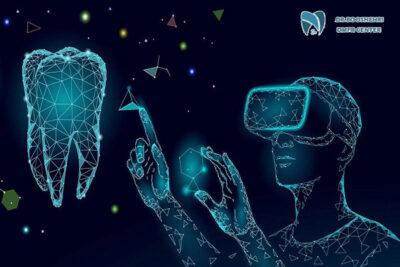
Innovations in maxillofacial surgery using 3D printing, artificial intelligence, and smart biomaterials have brought new benefits and efficiency to treatments.
Augmented Reality and Its Role in Complex Surgeries
Augmented reality technology is recognized as a new tool in maxillofacial surgery, helping surgeons reconstruct complex areas of the face and jaw with greater precision. By utilizing this technology, surgeons can view detailed and live images of the patient’s anatomy during surgery, allowing them to make more accurate decisions.
This technology not only reduces surgical risks but also contributes to improved clinical outcomes, facilitating more precise and less invasive surgeries. Augmented reality enables surgeons to visualize the patient’s anatomical and medical information in real-time during the procedure, significantly increasing the accuracy of surgeries.
3D Printing and Custom Prosthetics: The Future of Maxillofacial Surgery
The Use of 3D Printing in Maxillary Prosthetic Production
3D printing in maxillofacial surgery is one of the most important technologies enabling surgeons to produce high-precision custom prosthetics. These prosthetics are designed based on the unique features of each patient and can completely align with the patient’s jaw and facial structure. For example, for patients requiring reconstruction of the temporomandibular joint, custom prosthetics produced through 3D printing can help alleviate pain and improve joint mobility.
The application of 3D printing in prosthetic production also reduces surgery time and enhances the patient’s recovery process. This innovative technology allows surgeons to create precise and personalized models of the patient’s anatomy, ultimately leading to improved surgical outcomes and greater patient satisfaction.
Smart Adhesives and Increased Patient Comfort
Smart adhesives are among the recent innovations in maxillofacial surgeries, providing greater comfort for patients by responding to environmental changes such as temperature and pH. These adhesives play a significant role in reducing discomfort and improving the stability of prosthetics, particularly for patients using maxillary prosthetics.
By automatically adjusting and responding to environmental conditions, these adhesives enable patients to use their prosthetics with minimal discomfort and maximum efficiency. Smart adhesives also contribute to extending the lifespan of prosthetics and reducing risks associated with prosthetic instability.
Artificial Intelligence and the Future of Diagnosis in Maxillofacial Surgery
Analysis of Medical Images with Artificial Intelligence
One of the significant applications of artificial intelligence in maxillofacial surgery is the more accurate and faster analysis of medical images. This technology can use advanced algorithms to detect maxillary and facial abnormalities with greater precision, assisting surgeons in better surgical planning. Artificial intelligence can analyze radiographic, CT, and MRI images with increased accuracy, thereby providing precise planning for complex surgeries.
This technology is especially crucial in the early detection of maxillary issues such as tumors and structural abnormalities. Utilizing artificial intelligence in analyzing medical data allows surgeons to diagnose abnormalities more accurately and select more appropriate treatment methods.
Surgical Planning with the Help of Artificial Intelligence
In addition to more accurate diagnostics, artificial intelligence plays a significant role in surgical planning. This technology aids surgeons in making better treatment decisions by simulating surgical outcomes and providing treatment suggestions. Advanced simulations using artificial intelligence can predict the results of various surgeries and reduce potential risks.
Among the advantages of this technology are reduced surgery duration and improved clinical outcomes. Moreover, artificial intelligence can assist surgeons in selecting less invasive methods for treating maxillary and facial abnormalities.
Frequently Asked Questions
- How does 3D printing enhance the precision and efficiency of maxillofacial surgery?
3D printing, as one of the advanced technologies, improves the precision and efficiency of maxillofacial surgery. This technology allows for the production of three-dimensional models of the patient’s anatomy, enabling surgeons to have precise surgical planning. Additionally, custom prosthetics are designed using 3D printing according to the unique characteristics of the patient. This high level of accuracy not only enhances surgical outcomes but also reduces the risks associated with surgical errors.
- What is the role of artificial intelligence in the diagnosis and planning of maxillofacial surgeries?
Artificial intelligence (AI) plays an important role in the diagnosis and planning of maxillofacial surgeries by providing more accurate analyses of medical images. Using advanced algorithms, AI analyzes CT scans, MRIs, and radiographs with greater precision, aiding in the identification of complex abnormalities. Besides diagnostics, AI can simulate the outcomes of various surgeries and predict risks, which helps surgeons select the best treatment methods.
- How do smart biomaterials contribute to improved outcomes in maxillofacial surgeries?
Smart biomaterials, characterized by their ability to respond to environmental changes (such as temperature and pH), have a significant impact on improving outcomes in maxillofacial surgeries. These materials enhance the performance and longevity of maxillary prosthetics while preventing side effects. They also facilitate faster reconstruction of damaged tissues and increase patient comfort during the recovery period.
- What impact do smart adhesives have on the use of maxillary prosthetics?
Smart adhesives, which respond to environmental changes, are particularly suitable for patients with maxillary prosthetics. These adhesives help stabilize the prosthetics by automatically adjusting and reacting to environmental temperature and pH, thereby reducing discomfort associated with prolonged use of the prosthetics. Additionally, these adhesives lower the risk of prosthetic instability and enhance patient comfort.
- How is augmented reality utilized in complex maxillofacial surgeries?
Augmented reality (AR) provides the ability to visualize the patient’s anatomy live during complex maxillofacial surgeries. This technology aids surgeons in reconstructing intricate areas of the jaw and face with greater precision and allows for the use of accurate anatomical information for better decision-making. The use of AR reduces surgical risks and improves the accuracy and efficiency of the surgeries.
Conclusion
In this article on Dr. Boushehri’s website, innovations and new trends in maxillofacial surgery were discussed, along with the significant impacts of technologies such as 3D printing, artificial intelligence, and smart biomaterials on improving surgical accuracy and enhancing patient comfort. These advancements have not only increased the precision of surgeries but have also led to remarkable improvements in therapeutic outcomes. By reading this article, you have become familiar with the latest treatment methods and advanced technologies in the field of maxillofacial surgery, which play a vital role in the future of this type of surgery.
In conclusion, it is recommended that if you need specialized consultation in the area of oral, jaw, and facial imaging, you take advantage of Dr.Boushehri’s services. With expertise in oral and maxillofacial radiology and advanced imaging technologies, he can assist you in making the best treatment decisions. Dr. Boushehri’s specialized center is prepared to support you on your treatment journey by offering expert consultations and precise imaging. To schedule a consultation, you can reserve your appointment through the website or by contacting the center. Additionally, if you have any questions, feel free to raise them in the comments section, and Dr. Boushehri’s expert team will be happy to respond to your inquiries.