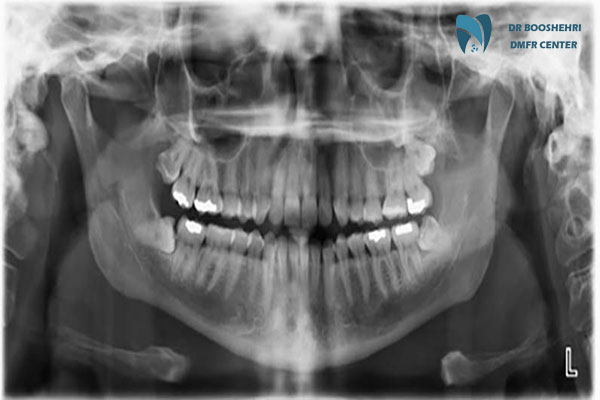
Lateral cephalometry is one of the most essential orthodontic imaging tools that helps specialists accurately evaluate the condition of the jaw and teeth. This orthodontic imaging technique is not only useful for diagnosing skeletal and dental anomalies but also plays a crucial role in orthodontic planning and predicting possible changes throughout the treatment. In this article, you will learn about the vital role of Lateral cephalometry in orthodontic treatments and how this method can improve treatment outcomes. Additionally, we will answer common questions that many people have about orthodontic imaging to help you better understand the importance of this technique.
Common Questions About Lateral Cephalometry and Orthodontics:
- What is Lateral cephalometry, and how is it used in orthodontics?
- What is the difference between Lateral cephalometry and Panoramic dental X-ray?
- When do we need Lateral cephalometry?
- Is Lateral cephalometry dangerous?
- Is Lateral cephalometry necessary for all orthodontic patients?
All these questions and important points are covered in this article, so stay with us until the end to gain comprehensive information about this orthodontic imaging technique.
Lateral Cephalometry: A Vital Tool in Orthodontic Planning
Lateral cephalometry is one of the most important orthodontic imaging techniques that allows dentists and orthodontic specialists to thoroughly examine the jaw and teeth. This type of orthodontic imaging provides valuable information about the relationship between jaw and facial structures. Using Lateral cephalometry, specialists can perform more precise and effective orthodontic planning. The significance of this technique in analyzing jaw growth and its changes during orthodontic treatment is undeniable. Lateral cephalometry helps dentists diagnose skeletal and dental problems more effectively and choose the appropriate treatment.
For this reason, orthodontic imaging and the use of Lateral cephalometry are recognized as key tools for successful orthodontic planning. By analyzing Lateral cephalometry images, orthodontists can measure the positioning of teeth and jaw angles to accurately design the treatment plan. This process ensures more effective orthodontic treatments and better results for patients.
How Lateral Cephalometry Enhances Orthodontic Diagnosis and Treatment Prediction
Lateral cephalometry is not just a diagnostic tool; it is also a critical method for predicting orthodontic treatment outcomes. This type of orthodontic imaging allows for an accurate analysis of skeletal and dental abnormalities. By using Lateral cephalometry, specialists can conduct orthodontic planning based on scientific data and anticipate possible changes in the jaw and teeth during treatment. This method enables dentists to adjust the treatment process with minimal errors. Lateral cephalometry is also effective in diagnosing issues such as deep bite, overbite, overjet, and crossbite.
Orthodontic imaging through Lateral cephalometry enhances diagnostic accuracy and allows for treatment modifications in the early stages. The use of Lateral cephalometry in modern orthodontics is essential, as without it, orthodontic planning may involve errors that affect treatment results.
The Role of Orthodontic Imaging in Evaluating Jaw and Facial Structures
Orthodontic imaging is one of the most critical aspects of diagnosis and treatment in orthodontics. Lateral cephalometry, as one of the main orthodontic imaging techniques, plays a key role in analyzing jaw and facial structures. This technique allows for a detailed assessment of jaw angles, the relationship between the upper and lower jaw, and the positioning of teeth. Since orthodontic planning requires precise data about tooth positioning and jaw structure, Lateral cephalometry helps dentists make better treatment decisions.
Evaluating jaw growth patterns and treatment effects is possible through Lateral cephalometry. Orthodontic imaging is also used to detect skeletal anomalies, diagnose jaw asymmetry, and plan orthognathic surgeries. This method is one of the most accurate tools available to orthodontic specialists for analyzing jaw and facial structures.
More Accurate Orthodontic Planning Using Lateral Cephalometry Analysis
Orthodontic planning requires detailed and comprehensive information about the condition of a patient’s teeth and jaw. Lateral cephalometry, as one of the most important orthodontic imaging tools, provides this information to specialists. Through Lateral cephalometry, orthodontists can accurately measure jaw proportions and tooth angles to design the best orthodontic planning strategy. This technique is highly effective in assessing the condition of teeth before starting treatment and predicting possible changes. Orthodontic imaging through Lateral cephalometry also allows for the evaluation of how orthodontic appliances affect tooth and jaw positioning.
This information enables specialists to make necessary adjustments throughout treatment, leading to better patient outcomes. In reality, orthodontic planning without Lateral cephalometry may lack the required precision and result in treatment complications.

Lateral cephalometry plays a key role in orthodontic planning. This extraoral imaging helps analyze jaw position and optimize treatment.
Lateral Cephalometry in Orthodontics: From Initial Diagnosis to Treatment Outcome Evaluation
Lateral cephalometry plays a significant role from the early diagnosis stage to the final evaluation of orthodontic treatment. This type of orthodontic imaging allows for the precise examination of jaw and dental changes at every treatment stage. In the initial phase, Lateral cephalometry helps dentists diagnose skeletal discrepancies and develop a precise orthodontic planning strategy. During treatment, this technique allows for tracking patient progress, and at the end of treatment, specialists can compare final results with initial images. The use of Lateral cephalometry in orthodontic imaging ensures that orthodontic treatment is carried out with greater accuracy and reduces the likelihood of post-treatment complications. For this reason, this method is considered an essential tool in modern orthodontics.
Comparing Lateral Cephalometry with Other Orthodontic Imaging Techniques
Lateral cephalometry is one of the most commonly used orthodontic imaging techniques, but other methods are also available for evaluating jaw and teeth conditions. One of these methods is the Panoramic dental X-ray, which provides a comprehensive view of the teeth and jaw bones. While Panoramic dental X-ray is useful for detecting cavities and general jaw issues, Lateral cephalometry offers more precise information about jaw relationships and tooth angles.
Another technique used alongside Lateral cephalometry is 3D CT scanning, which is applied in more complex cases and orthognathic surgeries. However, Lateral cephalometry remains one of the most widely used orthodontic imaging techniques due to its simplicity, high accuracy, and lower cost. This technique will continue to be an integral part of orthodontic planning.
Frequently Asked Questions from Patients at the Dental Radiology Center About Lateral Cephalometry and Orthodontic Planning
1. What is Lateral Cephalometry, and what is its role in Orthodontics?
Lateral cephalometry is a type of orthodontic imaging that provides a lateral view of the jaw, teeth, and facial structures. This technique helps specialists accurately perform orthodontic planning, identify skeletal abnormalities, and evaluate treatment effects. Lateral cephalometry is essential for determining tooth positioning, diagnosing skeletal issues, and assessing jaw growth.
2. What is the difference between Lateral Cephalometry and a Panoramic Dental X-ray?
Lateral cephalometry provides a side view of the skull and jaw, making it useful for analyzing the relationship between the upper and lower jaws, diagnosing skeletal abnormalities, and fine-tuning orthodontic planning. In contrast, a panoramic dental X-ray offers a broad overview of all teeth, the jaws, and the temporomandibular joints, primarily used for detecting cavities, impacted teeth, and general jaw issues.
3. When is Lateral Cephalometry needed?
Lateral cephalometry is typically performed in the early stages of orthodontic planning to accurately diagnose skeletal abnormalities, during treatment to monitor progress, and at the end of treatment to assess final results. This orthodontic imaging technique is essential in cases where a patient has skeletal issues such as jaw protrusion or recession, facial asymmetry, or bite problems.
4. Is Lateral Cephalometry dangerous?
Lateral cephalometry is a non-invasive imaging technique that uses a low dose of X-rays, making it safe for patients. The radiation exposure in this process is minimal and does not pose a health risk. However, during pregnancy, it is recommended to consult a doctor before undergoing this extraoral imaging procedure.
5. Is Lateral Cephalometry necessary for all orthodontic patients?
In many cases, lateral cephalometry is a crucial part of orthodontic planning, but it may not be required for all patients. If a patient has skeletal issues or jaw abnormalities, this orthodontic imaging technique is highly beneficial. However, for minor orthodontic treatments, a panoramic dental X-ray or CBCT scan may suffice.
Conclusion and Expert Consultation with Dr. Boushehri
In this article, we explored the role of lateral cephalometry in orthodontic planning and its significance in improving treatment outcomes. This technique not only aids in accurately diagnosing jaw and dental issues but also allows orthodontists to fine-tune treatment strategies. We also addressed frequently asked questions to clarify concerns regarding orthodontic imaging.
If you require orthodontic imaging or have additional questions about lateral cephalometry, you can consult Dr. Boushehri, a specialist in maxillofacial radiology. The specialized imaging center of Dr. Boushehri is equipped with the latest extraoral imaging technologies, offering expert consultations and appointment scheduling services. Additionally, if you have any questions regarding lateral cephalometry and its applications, feel free to ask in the comments section to receive accurate and scientific responses.