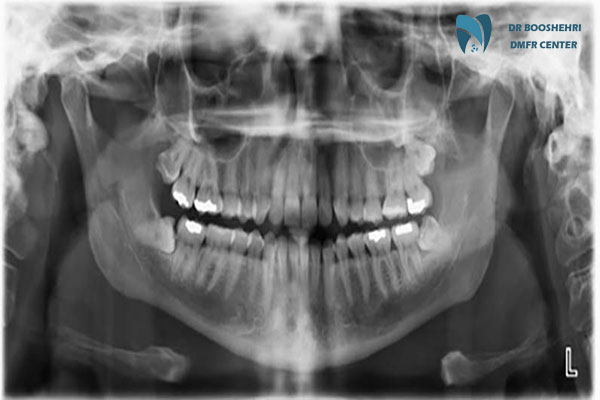
Oral pathology is one of the most important branches of medicine that focuses on the identification and treatment of diseases related to the mouth and jaw. In this article, you will learn about the importance of the early diagnosis of oral diseases and explore the role of radiology in preventing and treating these issues. Many oral and maxillofacial diseases may not show symptoms in the early stages, but by being aware of the signs and diagnostic methods, you can prevent more serious problems.
In this article, we have answered important questions that are essential for maintaining your health. From defining oral pathology to the impact of oral health on overall bodily diseases, everything you need to know is covered here. If you care about your oral health, be sure to read this article thoroughly and gain valuable insights.
Questions answered in this article:
- What is oral pathology and what are its applications?
- How can we identify the early signs of oral and maxillofacial diseases?
- How does oral and maxillofacial radiology help in diagnosing diseases?
- Why is the early diagnosis of oral diseases important?
- What is the relationship between oral health and general bodily diseases?
- When should you see an oral and maxillofacial radiologist?
- Are oral and maxillofacial diseases preventable?
- What are the symptoms of oral cancer?
By reading this article, you will gain comprehensive information about oral and maxillofacial diseases, the importance of prevention, and the role of imaging in diagnosing diseases. Don’t miss out on the rest of the article!
What is oral pathology and how does it help us in diagnosing oral and maxillofacial diseases?
Oral pathology is a branch of medical science that focuses on examining the tissue and structural changes in the mouth and jaw and helps in identifying related diseases. This field concentrates on the careful study of symptoms and signs present in the oral mucosa, gums, jawbones, and even teeth. Through these investigations, oral pathology is able to identify diseases such as tumors, infections, and structural abnormalities, facilitating the treatment process. The early diagnosis of oral diseases can prevent the progression of serious problems and maintain the patient’s health.
On the other hand, oral pathology plays an important role in oral and maxillofacial radiology. Radiology images, such as panoramic X-rays or CT scans, provide precise information about the internal structures of the mouth and jaw, which are essential for accurate diagnosis. The combination of these images with clinical and laboratory analyses allows for more accurate identification of diseases and the development of more effective treatment plans.
In a separate article, we have discussed oral diseases, their symptoms, and prevention methods, which we recommend you read.

Learn about oral pathology, the early diagnosis of oral and maxillofacial diseases, and how radiology helps in prevention and treatment.
Early signs of oral and maxillofacial diseases that should not be ignored
The early signs of oral and maxillofacial diseases can sometimes seem very simple and are easily overlooked. Chronic or intermittent pain in the jaw area, frequent gum bleeding, long-lasting mouth sores, and changes in the color or thickness of the oral mucosa are among these signs. These symptoms could indicate the presence of more serious conditions, such as bacterial infections, bone problems, or even tumors. The early diagnosis of oral diseases through the observation and examination of these symptoms can help reduce treatment costs and maintain individual health.
Oral and maxillofacial radiologists can also confirm or rule out the presence of diseases or potential damage through precise imaging. For example, a small cyst that is painless in its early stages can be detected and treated through advanced imaging. As a result, awareness of the early symptoms and timely consultation with a specialist is crucial in preventing the progression of oral pathology.
The role of radiology in identifying and preventing oral and maxillofacial diseases
Radiology acts as a key tool in the early diagnosis of oral diseases. Panoramic images and CT scans precisely display the internal structures of the mouth and jaw, allowing doctors to identify hidden abnormalities. With the help of these technologies, issues such as cysts, tumors, hidden fractures, and deep infections are easily detected. This process helps doctors implement a suitable treatment plan before the disease reaches advanced stages.
In addition to disease identification, radiology is also effective in preventing serious problems. Periodic imaging can reveal early signs of diseases, even when the patient shows no symptoms. This emphasizes the importance of prevention and helps maintain oral and maxillofacial health.
Why early diagnosis in oral pathology can save your life
Oral and maxillofacial diseases, particularly conditions like oral cancer, can lead to irreversible complications if not detected in time. Oral pathology, through careful analysis of tissue changes and the use of advanced imaging techniques, allows for the early diagnosis of these diseases. This not only helps reduce the severity of the disease but also increases the chances of successful treatment. For instance, oral cancer can be controlled with surgery and conservative treatments in its early stages.
Early diagnosis also prevents the disease from spreading to other parts of the body. When an oral disease reaches an advanced stage, it may spread to areas like the throat, lungs, or lymphatic system. This highlights the importance of regular visits to oral and maxillofacial radiologists and oral pathology specialists to monitor the health of your mouth and jaw.
What secrets does oral pathology reveal?
The connection between oral health and hidden diseases
Oral health can provide a glimpse into the overall condition of the body. Many systemic diseases, such as diabetes or cancer, create signs in the mouth. Oral pathology can identify these signs and serve as an early warning system. For instance, persistent sores or dry mouth could indicate diabetes, while changes in the color of the oral mucosa may be related to vitamin deficiencies or even cancer.
Additionally, radiological imaging plays a key role in uncovering hidden diseases. With these tools, issues such as osteoporosis, deep infections, or bone changes caused by metabolic diseases can be detected. Therefore, oral pathology and oral and maxillofacial radiology are not only crucial in diagnosing oral and maxillofacial diseases but also in identifying broader health problems.
Recent studies in the field of oral pathology
As one of the main branches of dentistry and medicine, oral pathology plays a critical role in diagnosing oral and maxillofacial diseases. Detailed examination of tissue samples through a microscope and the use of techniques like immunohistochemistry help diagnose complex diseases that may be clinically similar. For example, immunohistochemical techniques are highly effective in identifying lesions that might be histologically ambiguous and can provide precise information about the molecular type and prognosis of the disease. (For further reading, refer to this reference)
Along with laboratory methods, the role of oral and maxillofacial pathology laboratories is also essential. A study in Brazil showed that these laboratories play a significant role in diagnosing oral squamous cell carcinoma and other similar lesions, and access to these services can directly impact the quality of treatment and reduce the risk of disease recurrence. Additionally, effective collaboration and communication between pathologists and clinicians are key elements in improving the diagnostic and treatment processes. Research shows that accurate and clear reports from pathologists and active communication within the treatment team significantly reduce the likelihood of misdiagnosis.
Frequently Asked Questions by Patients
What is oral pathology and what is its role?
Oral pathology is a branch of medicine that studies and identifies changes and diseases related to the tissues of the mouth, jaw, and face. This field helps in the precise diagnosis of diseases such as infections, tumors, cysts, and structural abnormalities, and plays a vital role in the treatment and prevention of serious problems.
How can we identify the early symptoms of oral diseases?
Early symptoms include persistent pain, gum bleeding, long-lasting sores, changes in gum or oral mucosa color, and even bad breath. If any of these symptoms persist for more than a few days, it is advisable to consult a specialist to prevent the progression of oral and maxillofacial diseases through early diagnosis.
How does maxillofacial radiology help in diagnosing diseases?
Maxillofacial radiology uses imaging technologies like panoramic X-rays and CT scans to display the internal structures of the mouth and jaw with high accuracy. These images assist in identifying issues such as cysts, deep infections, tumors, and bone abnormalities, facilitating the design of an appropriate treatment plan.
Why is early diagnosis of oral diseases important?
Early diagnosis can prevent the progression of diseases like oral cancer, dangerous infections, or jaw abnormalities. This not only increases the chances of successful treatment but also helps in avoiding high treatment costs at advanced stages.
What is the relationship between oral health and systemic diseases?
Systemic diseases such as diabetes, vitamin deficiencies, and even certain cancers can have signs in the mouth. Changes in the color or texture of the oral mucosa, long-lasting sores, or dry mouth may indicate underlying systemic problems. Oral pathology can identify these signs and assist in diagnosing hidden diseases.
When should we visit a maxillofacial radiologist?
If you experience symptoms such as persistent pain, changes in the shape of the jaw or mouth, persistent sores, or difficulties in swallowing and chewing, it is essential to visit a maxillofacial radiologist. Regular check-ups, especially for individuals with a history of oral and maxillofacial diseases, are also very important.
Can oral and jaw diseases be prevented?
Yes, many oral and maxillofacial diseases can be prevented through proper oral hygiene, regular dental check-ups, and preventive imaging. Early diagnosis also plays a significant role in preventing the progression of these diseases.
What are the symptoms of oral cancer?
Oral cancer may present symptoms such as persistent sores, unusual bleeding, unusual lumps, or chronic pain in the mouth. If any of these symptoms are observed, it is crucial to consult a pathologist or maxillofacial radiologist to make an accurate diagnosis.
Take Care of Your Oral and Jaw Health
In this article, you have learned about the importance of oral pathology, the early diagnosis of oral and maxillofacial diseases, and the role of radiology in preventing and treating serious issues. As mentioned, identifying early symptoms and consulting an experienced specialist can save you from complex and costly problems.
If you are looking for a specialized imaging center and professional consultation, Dr. Bushehri, a maxillofacial radiology expert with years of experience in the field, is ready to offer specialized services to you. His imaging center is equipped with the most advanced technology, providing precise and high-quality services in the diagnosis and prevention of oral and maxillofacial diseases. You can ensure your oral and jaw health by scheduling a consultation at this center.
Additionally, if you have any questions about oral and maxillofacial health, feel free to ask them in the comments section. Dr. Bushehri and his professional team will be happy to answer your questions and provide the best guidance to address your concerns.
Take the time for your health and benefit from Dr. Bushehri’s specialized consultation!