Oral Radiology X-ray is one of the essential tools for diagnosing dental problems, but many individuals are concerned about Dental Imaging Risks and its effects on their health. These concerns mainly stem from a lack of awareness regarding the amount of radiation used in this process. In this article, we will thoroughly examine the impact of Oral Radiology X-ray on the body, the potential risks, and ways to minimize these risks.
Additionally, we will answer common questions that many patients have when undergoing dental radiography. If you are also worried about Dental Imaging Risks or unsure whether this procedure is safe for you, make sure to read this article to the end.
Questions Answered in This Article:
✅ Is Oral Radiology X-ray harmful to health?
✅ Does dental imaging cause cancer?
✅ Can pregnant women undergo Oral Radiology X-ray?
✅ What are the differences between digital and traditional dental radiography?
✅ How can the radiation exposure in Oral Radiology X-ray be minimized?
If you have these questions and want accurate and scientific answers, we recommend reading this article from start to finish.
What is Oral Radiology X-ray and How is it Used in Dental Imaging?
Oral Radiology X-ray is one of the most important diagnostic tools in dentistry, allowing doctors to accurately examine the internal structures of teeth, the jaw, and surrounding tissues. This type of imaging is performed using X-rays and includes various types such as bitewing, periapical, and panoramic radiography. Oral Radiology X-ray helps detect hidden cavities, bone loss, root problems, and even oral tumors.
One of the main reasons for the widespread use of Oral Radiology X-ray is its ability to provide highly detailed images with minimal invasiveness. Dentists can diagnose issues such as dental cysts or bone changes due to periodontal diseases without the need for surgery. Although there are concerns about Dental Imaging Risks, modern technologies like digital radiography have significantly reduced radiation exposure. Today, Maxillofacial Radiology Safety has greatly improved due to advancements in modern equipment, and protective gear such as lead aprons is used to minimize potential radiation effects.
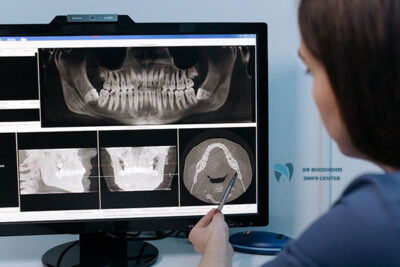
Is oral radiology X-ray really harmful? This article explores the effects of dental radiology on health and examines dental imaging risks.
Are Dental Imaging Risks Real? A Scientific Review of Oral Radiology X-ray
A common question among patients is whether Dental Imaging Risks are real or simply an unfounded concern. Scientific studies indicate that the amount of radiation used in Oral Radiology X-ray is extremely low, with minimal effects on human health. Research shows that the radiation exposure from a dental X-ray session is less than the natural radiation exposure a person receives in a single day from the environment.
However, repeated Oral Radiology X-ray exposure may lead to cumulative effects over time. This is why adherence to Maxillofacial Radiology Safety principles—such as using protective equipment like lead shields and minimizing unnecessary imaging—is strongly recommended. Dentists use this method only when necessary for an accurate diagnosis to avoid any potential risks.
How Much Radiation is in Oral Radiology X-ray? Is it Dangerous?
One of the primary concerns regarding Oral Radiology X-ray is the radiation dose absorbed by the body during imaging. To put this into perspective, the radiation exposure from a dental X-ray can be compared to the amount of radiation a person receives during air travel or from natural sources like the sun. In reality, the radiation used in Oral Radiology X-ray is well below global safety standards.
According to scientific research, the radiation dose from dental imaging is less than 0.005 millisieverts (mSv), which is significantly below the hazardous threshold for human health. Moreover, modern digital radiography technology has reduced Dental Imaging Risks by decreasing radiation exposure by up to 80%. As a result, ensuring Maxillofacial Radiology Safety with advanced technology and precise radiation adjustments minimizes potential risks.
Maxillofacial Radiology Safety: Protective Measures to Reduce Risks
Despite concerns about Oral Radiology X-ray, modern technology has introduced various methods to enhance patient safety. Maxillofacial Radiology Safety is particularly crucial for children, pregnant women, and individuals requiring frequent imaging. One of the primary safety measures is the use of lead aprons, which protect sensitive organs like the thyroid gland from radiation exposure.
Additionally, replacing traditional methods with digital radiography has significantly minimized the required radiation dose, thereby reducing Dental Imaging Risks. Furthermore, precise calibration of imaging devices allows dentists to use only the necessary amount of radiation to obtain high-quality images. These advancements have made Oral Radiology X-ray one of the safest diagnostic tools in dentistry today.
Comparing Oral Radiology X-ray to Other Radiation Sources
To better understand the impact of Oral Radiology X-ray on health, comparing it to other radiation sources is helpful. The human body is naturally exposed to specific amounts of radiation daily, including cosmic radiation, terrestrial radiation, and even electromagnetic waves from electronic devices.
Studies show that the radiation from a single Oral Radiology X-ray session is much lower than the radiation received during a long-haul flight or prolonged sun exposure. Thus, Maxillofacial Radiology Safety is at an acceptable level, and dentists continuously work to reduce radiation exposure while improving diagnostic accuracy.
How to Reduce Concerns About Dental Imaging Risks?
Many patients worry about Dental Imaging Risks, but understanding the scientific facts and safety measures can ease these concerns. The first step is choosing a reputable dental center that utilizes advanced digital radiography equipment to minimize radiation exposure.
Additionally, following Maxillofacial Radiology Safety protocols—such as using protective gear like lead aprons and limiting unnecessary imaging—significantly reduces potential risks. Dentists only recommend Oral Radiology X-ray when it is essential for an accurate diagnosis. By adhering to these principles, Dental Imaging Risks are minimized, allowing patients to benefit from this diagnostic tool without concerns.
Frequently Asked Questions About Oral Radiology X-ray and Imaging Risks
1. Is Oral Radiology X-ray Harmful to Health?
The radiation used in Oral Radiology X-ray is at a standard level considered safe for dental imaging. The amount of radiation the body receives in this process is minimal—far less than the natural background radiation we are exposed to daily. Additionally, modern radiology devices are equipped with advanced technology to reduce radiation exposure, making the risks to patients extremely low.
2. Does Dental Imaging Cause Cancer?
Scientific research confirms that the radiation dose used in Oral Radiology X-ray is significantly below the threshold that could cause cellular changes or increase cancer risk. In reality, the chance of Dental Imaging Risks leading to cancer is almost zero. Furthermore, the use of protective equipment, such as lead aprons, minimizes radiation absorption in sensitive tissues, ensuring patient safety.
3. Can Pregnant Women Undergo Oral Radiology X-ray?
Pregnant women typically avoid Oral Radiology X-ray unless absolutely necessary. If imaging is essential, doctors take precautions by using protective equipment, such as lead aprons, to safeguard the fetus. In most cases, dentists postpone dental imaging until after childbirth to eliminate any potential risks to the mother and baby.
4. What Are the Differences Between Digital and Traditional Dental Radiography?
Digital radiography is a more advanced technique that reduces the patient’s radiation exposure by up to 80%. This method provides higher-quality and more precise images, eliminating the need for traditional film and chemical processing. In contrast, traditional radiography involves higher radiation levels and takes longer to develop images. Due to these advantages, most modern dental clinics now use digital radiography to enhance diagnostic accuracy while minimizing Dental Imaging Risks.
5. How Can Radiation Exposure in Oral Radiology X-ray Be Reduced?
Several measures can help minimize radiation exposure during Oral Radiology X-ray:
✅ Choosing dental clinics equipped with advanced digital radiography systems.
✅ Limiting unnecessary imaging to avoid excessive exposure.
✅ Using protective equipment such as lead aprons to shield sensitive body parts.
✅ Following dental hygiene recommendations to prevent oral diseases, thereby reducing the need for frequent imaging.
Why Should You Visit a Specialist for Dental Imaging?
As discussed, Oral Radiology X-ray is safe when performed at standard levels, and technological advancements have significantly minimized radiation exposure. However, choosing a reputable and specialized center is crucial for reducing Dental Imaging Risks and ensuring an accurate diagnosis.
Dr. Bushehri, an expert in Oral and Maxillofacial Radiology, offers imaging services using state-of-the-art digital radiography equipment with the highest safety standards. At Dr. Bushehri’s specialized radiology center, you can undergo Oral Radiology X-ray with complete confidence, knowing that every step is performed with precision and adherence to strict safety protocols.
📞 For expert consultation and appointment booking, contact Dr. Bushehri’s imaging center today!
💬 Have questions? Drop them in the comments, and we’ll provide you with the answers!