Facial and jaw imaging is one of the most important medical tools for diagnosing and treating injuries resulting from accidents. In this article, you will become familiar with the role of facial and jaw imaging in identifying dental and jaw injuries. Additionally, the use of this technology in detecting fractures and hidden injuries in the jaw and face will be explored. This article will help you find answers to key questions in this area, questions that are essential for better care of dental and jaw health. Furthermore, you will learn about the significance of dental radiography and advanced technologies for more accurate injury detection.
Important questions answered in this article:
- What is facial and jaw imaging and how is it performed?
- How does dental radiography help in diagnosing injuries resulting from accidents?
- When is facial and jaw imaging necessary after an accident?
- Is facial and jaw imaging possible for children as well?
- How much does facial and jaw imaging cost and how much of it is covered by insurance?
Reading this article in full will help you gain comprehensive information about the importance and application of facial and jaw imaging in diagnosing accident-related injuries.
Facial and Jaw Imaging: The Key to Diagnosing Dental Accident Injuries
Facial and jaw imaging plays a vital role in diagnosing and managing accident-related injuries. In many cases, dental and jaw injuries are not visible due to the intensity of the trauma and can only be identified through accurate imaging. The use of advanced imaging techniques such as panoramic and CT scans enables doctors to examine the internal structures of the jaw and face with high resolution. As a result, the detection of hidden fractures or complex jaw injuries becomes much easier. Facial and jaw imaging, especially in cases where dental and jaw injuries from accidents do not show signs of pain or swelling, can provide vital information. This method also helps doctors develop a precise treatment plan for patients. In cases such as traffic accidents, facial and jaw imaging can identify not only dental injuries but also deeper structural problems. This technology is now considered the gold standard for evaluating jaw and facial injuries after an accident.
How is Facial and Jaw Imaging Effective in Diagnosing Fractures from Accidents?
Facial and jaw imaging is one of the key tools for diagnosing fractures resulting from accidents. Jaw and dental fractures are often difficult to diagnose due to the intensity of the trauma and the complex anatomical features. With the use of advanced imaging technologies, including digital radiography and CT scans, doctors can closely examine the jaw and face structures. These techniques allow for the precise visualization of small and complex fractures. Facial and jaw imaging helps doctors assess the type and severity of dental accident injuries, leading to better-designed treatment plans and higher chances of successful restoration. Additionally, accurate imaging can help prevent long-term complications such as infections or structural abnormalities. The role of imaging in diagnosing fractures is particularly important in cases where the injuries are not immediately visible. This technology also enables doctors to identify other accident-related injuries, such as microfractures in the bones.
Jaw Injury Detection After an Accident Using Advanced Imaging Technologies
Advanced imaging technologies, especially in accident cases, have become essential tools for detecting jaw injuries. After an accident, jaw injuries may remain hidden and cause more serious issues later. Facial and jaw imaging using modern techniques, such as MRI and CT scans, allows doctors to observe detailed structures of the jaw and teeth. These methods help detect fractures that are invisible to the naked eye and provide the essential information for planning treatment. One of the main advantages of facial and jaw imaging in this context is its high accuracy in detecting accident-related injuries. This accuracy enables doctors to create a comprehensive treatment plan that not only repairs the injuries but also prevents long-term complications. Advanced facial and jaw imaging, especially in emergency situations, can aid in the swift and accurate identification of serious injuries.
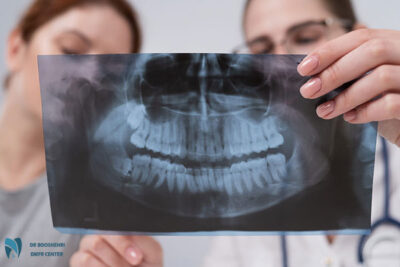
Discover how facial and jaw imaging helps detect jaw injuries from accidents. Learn the 5 benefits of advanced imaging techniques in accurate injury diagnosis.
The Importance of Dental Radiography in Identifying Hidden Accident Injuries
Dental radiography is a very important tool in identifying hidden injuries resulting from accidents. Many dental and jaw injuries go undiagnosed in initial assessments due to their complex locations and dense bone structures. Accurate and advanced imaging can provide information about small fractures or cracks in the teeth that may not be visible at first glance. This method is particularly important in cases where injuries are not accompanied by pain. Dental radiography can also assist in detecting jaw injuries caused by traffic accidents or other incidents. Using modern technologies like digital radiography and 3D imaging, doctors can assess the issues with greater precision. This accuracy not only helps in identifying the injuries but also plays a role in designing appropriate treatments. Dental radiography, with its clear and comprehensive images, facilitates more precise diagnosis of hidden injuries.
The Role of Facial and Jaw Imaging in Assessing Injuries from Traffic Accidents
Traffic accidents are one of the major causes of jaw and dental injuries, and facial and jaw imaging is recognized as one of the primary tools in these cases. Advanced imaging allows doctors to assess accident-related injuries with precision and develop an effective treatment plan. In many cases, jaw and dental injuries may involve tiny fractures, cracks, or even bone dislocations that cannot be diagnosed without imaging. Facial and jaw imaging can also help identify related injuries, such as dental fractures or sinus problems. The use of advanced imaging technologies, such as CT scans or panoramic radiography, provides comprehensive information about the patient’s condition and supports accurate treatment decisions.
The Role of Modern Technologies in Facial and Jaw Imaging for Detecting Dental Injuries
Modern imaging technologies play an important role in diagnosing dental and jaw injuries. Techniques like digital radiography, CT scans, and 3D imaging allow doctors to observe the damaged structures in detail. These technologies are especially effective in detecting accident-related injuries because they provide information that cannot be obtained through simple physical exams. Advanced facial and jaw imaging enables doctors to identify hidden issues such as microfractures or minor bone injuries and develop an accurate treatment plan. Additionally, these technologies help prevent long-term complications, such as structural deformities or infections. The role of modern imaging technologies in increasing diagnostic accuracy and speed, especially in emergency situations, is undeniable and contributes to improving patient treatment outcomes.
Frequently Asked Questions About Facial and Jaw Imaging
- What is facial and jaw imaging and how is it performed?
Facial and jaw imaging is an advanced medical method used to examine the structures of the teeth, jaw, and face. This method utilizes various technologies such as digital radiography, CT scans, and 3D imaging. The imaging process involves capturing high-quality, precise images of bones, teeth, and surrounding tissues. These images help doctors identify injuries, fractures, or hidden problems and provide an appropriate treatment plan.
- How does dental radiography help in diagnosing accident-related injuries?
Dental radiography helps identify injuries such as cracks, fractures, or tooth displacement. This method, especially in accident cases, provides precise information about the condition of the teeth and jaw, which may not be visible through regular examination. Modern technologies like panoramic radiography and CT scans allow for the visualization of internal structures of the teeth and jaw, assisting doctors in providing more accurate treatments.
- When is facial and jaw imaging necessary after an accident?
If a person experiences symptoms such as severe pain in the jaw or teeth, swelling, bruising, or difficulty chewing or opening their mouth after an accident, facial and jaw imaging is necessary. Even if no symptoms are present, there may be hidden injuries that can be revealed through imaging. This helps prevent more serious issues in the future, such as infections or structural abnormalities.
- Is facial and jaw imaging possible for children?
Yes, facial and jaw imaging is possible for children, and it is crucial in cases of accidents or serious injuries. This method uses safe, non-invasive technologies that minimize radiation exposure for children. Doctors use these images to examine dental and jaw problems and plan the necessary treatments.
- How much does facial and jaw imaging cost, and how much is covered by insurance?
The cost of facial and jaw imaging varies depending on the technology used (simple radiography, panoramic, or CT scan) and the location where it is performed. In many cases, insurance covers part of the imaging costs, especially if the reason for the imaging is related to an accident or medically necessary treatment. It is advisable to contact the treatment center and insurance company beforehand to learn about the details of the coverage.
Specialized Facial and Jaw Imaging Services with Dr. Boushehri
This article discussed the importance of facial and jaw imaging in diagnosing injuries resulting from accidents. These advanced medical methods can assist in more accurate diagnosis and the development of effective treatment plans. If you or a loved one require specialized services in this area, we recommend utilizing the services of Dr. Boushehri, a specialist in oral, jaw, and facial radiology. Dr. Boushehri offers the best services in facial and jaw imaging using advanced equipment and specialized knowledge.
To schedule a consultation with Dr. Boushehri’s specialized imaging center, you can act now. Additionally, if you have any questions, feel free to share them in the comments section, and you will receive a precise and comprehensive response.