Maxillofacial radiology imaging is one of the essential tools for accurately diagnosing dental and jaw problems, but common mistakes in this process can reduce image quality and negatively impact diagnosis. In this article, you will become familiar with the most common mistakes in dental and jaw imaging and learn how to prevent these issues. Additionally, key points in oral and dental radiology imaging will be discussed to improve image quality and enhance diagnostic accuracy.
Furthermore, the article will answer important questions that may be on your mind. Knowing the answers to these questions is not only essential for patients but also for specialists and dentists. We recommend staying with us until the end of the article to benefit from the practical tips and solutions provided.
Questions answered in this article:
- What are the common mistakes in maxillofacial radiology imaging?
- How can mistakes in dental and jaw imaging be prevented?
- Does patient movement during maxillofacial radiology imaging affect the results?
- Why is the quality of oral and dental radiology imaging important for diagnosis?
- What should be done to ensure accurate maxillofacial radiology imaging?
- What factors cause mistakes in dental and jaw imaging?
- How can the accuracy of maxillofacial radiology be improved?
- Is it necessary to repeat oral and dental radiology imaging?
By reading this article, you will find answers to all these questions and gain a better understanding of the imaging process and its significance. Rest assured, the information in this article will be practical and essential for you.
Common mistakes in maxillofacial radiology imaging that may jeopardize diagnosis
In the field of maxillofacial radiology, one of the most critical issues is preventing mistakes that can negatively impact accurate diagnosis. Common mistakes include incorrect angle settings and improper use of protective equipment, such as lead shields. These issues can not only reduce the quality of dental and jaw imaging but may also cause important details to be overlooked, which are vital for treatment planning.
Additionally, mistakes related to patient preparation, such as involuntary movement during imaging or incorrect use of positioning devices, can blur the images. To prevent these problems, specialists must provide proper training to patients and use standardized methods to adjust imaging equipment. Following these guidelines helps improve the quality of maxillofacial radiology imaging and reduce errors.
Radiology imaging, as an essential tool in medical diagnosis, faces numerous challenges, including the occurrence of mistakes during the diagnostic process that can have serious consequences for patient outcomes. Common mistakes in this area include diagnostic errors, cognitive biases, communication problems between the radiologist and the treating physician, as well as technical errors such as the creation of artifacts in images.
Studies show that approximately 5 to 30 percent of imaging reports may contain errors, including those caused by misinterpretation or delays in reporting.
A study in India found that 71.2% of recorded errors in reports were due to observational and communication mistakes, which often had no serious clinical impact on the patient. These findings highlight the need for improving report quality and establishing new protocols to reduce these errors (refer to this source for further reading). Additionally, diagnostic errors in cases of patient re-admission to the emergency department and repeated imaging have also been examined, and it has been found that these mistakes are significantly associated with unfavorable clinical outcomes (source of this research).
How to prevent common mistakes in dental and jaw imaging?
One of the most important steps to prevent common mistakes in dental and jaw imaging is having a thorough understanding of the radiology equipment and how it functions. Using up-to-date devices and performing regular calibration can help prevent the occurrence of suboptimal images. Additionally, being aware of the specific needs of each patient and adjusting the device settings accordingly plays a significant role in reducing errors.
Furthermore, close collaboration between the radiologist and dentist is essential for accurate diagnosis. Correct diagnosis not only depends on the quality of oral and dental imaging but also requires attention to detail during image processing and interpretation. By following these principles, specialists can prevent many common mistakes and improve diagnostic accuracy.
Key points for accurate imaging in oral and dental radiology
One of the key points for accurate imaging in oral and dental radiology is maintaining stability for both the patient and the device throughout the process. Even slight movements can cause blurry images, making it difficult to examine the details. Using stabilizing equipment and providing clear instructions to the patient to maintain the correct position can be effective in this regard.
Another important point is the precise adjustment of radiation dosage. Using the appropriate radiation amount based on the area being examined and the patient’s characteristics is critical for both patient safety and image quality. Adhering to these guidelines not only improves imaging quality but also reduces issues that could interfere with the treatment process.
Why do mistakes occur in maxillofacial radiology, and how can they be resolved?
Mistakes in maxillofacial radiology can result from various factors, such as insufficient staff training, inadequate equipment, or failure to adhere to standard protocols. For example, improper device settings can lead to low-quality images that are unable to accurately display the structures of the mouth and teeth.
To address these issues, ongoing training for radiology teams and close monitoring of equipment quality are essential. Additionally, implementing standard protocols for maxillofacial radiology imaging can play a significant role in reducing these mistakes. Establishing a continuous quality review system for the images produced will also help identify problems and improve the process.
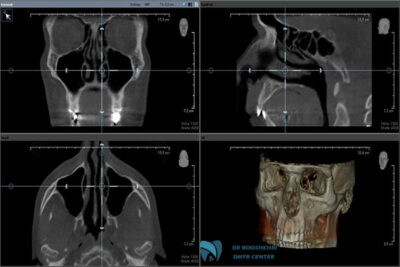
Learn about common mistakes in dental radiology, jaw radiology, and oral imaging, and discover how to improve accuracy in maxillofacial imaging.
A comprehensive guide to reducing common mistakes in dental and jaw imaging
To reduce errors in dental and jaw imaging, having a comprehensive and systematic plan is essential. This guide should include steps for patient preparation, precise device settings, and final quality control. For instance, maintaining the proper distance between the patient and the radiation source can help reduce distortion in images.
Moreover, hands-on training for specialists, particularly in the use of advanced devices, plays a crucial role in improving imaging quality. The use of modern technologies, such as 3D imaging, can also enhance accuracy and detail, addressing many common mistakes in the process.
Frequently asked questions by patients at the imaging center
What are the common mistakes in maxillofacial radiology imaging?
Common mistakes in maxillofacial radiology imaging include improper angle settings for radiation, incorrect use of protective equipment, involuntary patient movement during imaging, and lack of proper device calibration. These errors can lead to blurry or incomplete images, which negatively affect the final diagnosis.
How can mistakes in dental and jaw imaging be prevented?
To prevent mistakes in dental and jaw imaging, it is important for radiology specialists to use up-to-date equipment and regularly calibrate the devices. Additionally, educating the patient to maintain a stable position during imaging and making precise device adjustments based on the patient’s needs plays a crucial role in reducing errors.
Does patient movement during maxillofacial radiology imaging have an impact?
Yes, patient movement during imaging can significantly affect the quality of the images. Even small movements can cause blurring and reduce image accuracy. To prevent this issue, stabilizing devices are used to keep the patient in a fixed position, and patients are instructed to remain still throughout the process.
Why is the quality of oral and dental radiology imaging important for diagnosis?
The quality of oral and dental radiology imaging is very important because accurate, high-quality images help dentists and surgeons correctly diagnose dental issues such as cavities, infections, or jaw problems. Blurry or incorrect images can lead to misdiagnosis or delays in treatment.
What should be done to ensure accurate maxillofacial radiology imaging?
To achieve accurate maxillofacial radiology imaging, several important factors must be followed. These include selecting the correct equipment, properly adjusting the device, educating the patient to maintain the correct and stable position during imaging, and correctly processing the images afterward. Additionally, quality control of images and alignment with standard protocols at every stage of the process can improve the accuracy and quality of the images.
Summary and Choosing the Best Solution for Accurate Imaging
In this article, you have become familiar with common mistakes in maxillofacial radiology imaging and how to prevent them. We have also answered important questions that are essential for better and more accurate diagnosis. The quality of oral and dental imaging directly impacts treatment planning and the correct diagnosis of dental and jaw problems. Therefore, choosing a specialized center and consulting with an expert in this field is of utmost importance.
Dr. Bushahri, a specialist in oral, jaw, and maxillofacial radiology, with years of experience and the use of the most advanced imaging equipment, is ready to provide you with the best services. At his specialized center, you can benefit from high quality, precise diagnosis, and expert consultations. If you’re looking for precise and error-free imaging, it’s time to contact Dr. Bushahri’s specialized imaging center for a consultation and book your appointment.
If you have any remaining questions or need more information, feel free to ask your questions in the comments section. Our team will respond quickly and accurately, guiding you further. Choosing a professional specialist is the first step towards having an accurate diagnosis and successful treatment!