Jaw movement analysis is one of the most important factors in diagnosing and treating jaw problems. Using 3D jaw imaging, specialists can obtain precise information about jaw movement and perform jaw abnormality treatment more effectively. This technology enables the observation of minor changes in the jaw and contributes to improving the treatment process. 3D jaw imaging also provides high accuracy in evaluating jaw conditions and reduces diagnostic errors.
In this article, we will thoroughly examine jaw movement analysis using 3D jaw imaging and assess its impact on jaw abnormality treatment. Additionally, we will answer common questions that may arise in your mind. Gaining this knowledge is essential for those seeking precise and advanced treatments for their jaw issues. Stay with us until the end to find answers to your most important questions.
Common User Questions:
-
How does 3D jaw imaging help with jaw movement analysis?
-
Is 3D jaw imaging necessary for jaw abnormality treatment?
-
What advantages does jaw movement analysis with 3D jaw imaging have over traditional methods?
-
Is 3D jaw imaging safe for patients?
-
How will artificial intelligence impact jaw movement analysis in the future?
Jaw Movement Analysis with 3D Jaw Imaging: A New Approach to Diagnosis and Treatment
Jaw movement analysis is a key aspect of evaluating jaw and dental problems. By using 3D jaw imaging, dentists and orthodontists can observe and examine precise jaw movements under different conditions. This method is particularly useful for jaw abnormality treatment, providing high accuracy in diagnosing jaw disorders. 3D jaw imaging offers comprehensive insights into jaw position, movement range, and its alignment with teeth. With jaw movement analysis through this technology, jaw abnormality treatment can be performed with greater precision. Utilizing this method helps doctors design a detailed treatment plan before starting any procedure. As a result, 3D jaw imaging reduces diagnostic errors and enhances the quality of jaw abnormality treatment.
How Does 3D Jaw Imaging Improve the Accuracy of Jaw Abnormality Treatment?
Jaw movement analysis through 3D jaw imaging is a modern approach in medicine that increases the accuracy of diagnosing and treating jaw abnormalities. This method allows the observation of subtle jaw movement changes and provides precise information about jaw structures. 3D jaw imaging enables doctors to optimize the jaw abnormality treatment process, yielding better outcomes for patients. Jaw movement analysis using this technology helps identify jaw problems in early stages, preventing further complications. Additionally, 3D jaw imaging minimizes the need for invasive procedures, improving the overall treatment experience for patients.
Advantages of 3D Jaw Imaging in Jaw Movement Analysis and Jaw Position Correction
Jaw movement analysis with 3D jaw imaging offers numerous benefits, with improved accuracy in jaw abnormality treatment being one of the most significant. 3D jaw imaging allows for detailed observation of jaw movements, aiding doctors in designing better treatment approaches. Jaw movement analysis through this technology identifies jaw displacement over time and helps dentists perform jaw abnormality treatment with higher precision. 3D jaw imaging not only enhances diagnostic accuracy but also increases the potential for non-invasive jaw correction methods.
Jaw Movement Analysis: The Role of 3D Technology in Improving Treatment Outcomes
Jaw movement analysis is a crucial factor in diagnosing jaw problems, and 3D jaw imaging has significantly enhanced its accuracy. 3D jaw imaging allows jaw abnormality treatment to be performed more precisely and effectively. This technique provides detailed data on jaw function over time, facilitating the detection of even the smallest changes in jaw movement analysis. 3D jaw imaging also reduces the need for multiple scans, decreasing radiation exposure for patients and enhancing their safety. Utilizing this technology in jaw abnormality treatment enables doctors to deliver more effective and long-lasting results.
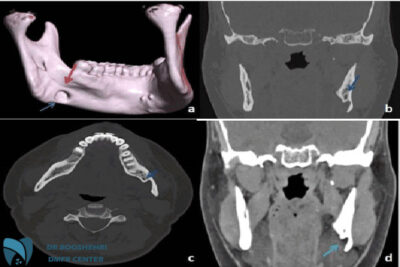
Jaw movement analysis with 3D jaw imaging enhances jaw abnormality detection and improves treatment accuracy with advanced diagnostics.
Jaw Abnormality Treatment with 3D Jaw Imaging: Advanced Methods and Applications
Jaw abnormality treatment requires a highly accurate diagnostic approach, and 3D jaw imaging meets this need. Jaw movement analysis with this method allows for an in-depth evaluation of jaw movements under various conditions. 3D jaw imaging assists dentists in precisely adjusting their treatment methods and preventing future complications. Additionally, jaw movement analysis with 3D jaw imaging helps reduce the duration of jaw abnormality treatment. This advanced technology enhances treatment precision and allows doctors to offer personalized treatment plans tailored to each patient.
The Future of Jaw Movement Analysis: Combining 3D Imaging with AI in Jaw Treatment
The future of jaw movement analysis looks more promising than ever with advancements in 3D jaw imaging and artificial intelligence. 3D jaw imaging enables the collection of detailed data on jaw movements, and combining this data with AI algorithms can enhance the accuracy of jaw abnormality treatment. Jaw movement analysis using AI can assist in the automatic detection of jaw problems, helping doctors make better treatment decisions. 3D jaw imaging not only facilitates the examination of even the most minor jaw changes but also, with AI integration, provides personalized treatment plans for each patient. This innovative approach could make jaw abnormality treatment faster, more precise, and cost-effective in the future.
Frequently Asked Questions by Patients Regarding Jaw Movement Analysis and 3D Jaw Imaging
1. How does 3D jaw imaging help with jaw movement analysis?
3D jaw imaging allows for a precise observation of jaw structures and their movements under different conditions. This technology provides highly detailed images, helping dentists examine small changes in jaw movement analysis and, based on that, perform jaw abnormality treatment with greater accuracy.
2. Is 3D jaw imaging necessary for jaw abnormality treatment?
Yes, in many cases, 3D jaw imaging is an essential tool for diagnosing and planning jaw abnormality treatment. This method offers high precision and helps doctors select the best treatment approach.
3. What advantages does jaw movement analysis with 3D jaw imaging have over traditional methods?
Compared to traditional 2D imaging, this method provides more detailed and accurate information. Additionally, it allows the jaw to be viewed from different angles, enabling doctors to design a personalized treatment plan for each patient.
4. Is 3D jaw imaging safe for patients?
Yes, 3D jaw imaging is a safe procedure that exposes patients to lower radiation levels than some older methods. Moreover, this technology helps doctors reduce the number of imaging sessions, minimizing radiation exposure for the patient.
5. How will artificial intelligence impact jaw movement analysis in the future?
Artificial intelligence can enhance the accuracy of 3D jaw imaging and enable the automatic detection of jaw problems. This combination allows doctors to diagnose jaw abnormalities more quickly and accurately and provide appropriate treatment solutions.
Conclusion and Expert Consultation with Dr. Boshahri
Jaw movement analysis using 3D jaw imaging is an advanced method for diagnosing and treating jaw abnormalities, offering high precision and enabling the development of a more detailed treatment plan for patients. This technology helps doctors identify jaw issues with minimal error and provide effective treatment. If you are looking for an accurate solution to assess your jaw condition, 3D jaw imaging is the best option.
Dr. Boshehri, a specialist in oral radiology, jaw and facial radiology, is one of the leading experts in this field. You can schedule a consultation at his specialized dental imaging center and benefit from professional services in diagnosing and treating jaw abnormalities. If you have any questions about 3D jaw imaging, feel free to ask in the comments section to receive your answers.