Child jaw imaging is one of the most crucial steps in diagnosing abnormalities and dental issues during the growth stages of children. In this article, you will learn about the most advanced imaging technologies and their impact on improving diagnostic accuracy and reducing the risks associated with X-ray radiation. Additionally, we will introduce you to safer and more practical methods of utilizing these technologies. We will also address essential questions every parent should know, including how these advancements contribute to your child’s health and how to access the best services.
This article will help you better understand advanced child jaw imaging and provide guidance for accurately diagnosing oral and jaw issues in children.
Questions Answered in This Article:
- How do new technologies in child jaw imaging reduce radiation exposure?
- What issues can be diagnosed through child jaw imaging?
- What are the differences between CBCT and traditional X-rays for child jaw imaging?
- Is child jaw imaging suitable for all children?
- How much does child jaw imaging cost with modern technologies?
We encourage you to read this article thoroughly to find complete answers to these questions and make the best decision for your child’s health
Child Jaw Imaging with Modern Technologies: A Path to Accurate Diagnosis
Child jaw imaging with modern technologies represents one of the most significant advancements in pediatric oral health. These technologies allow healthcare providers to examine the structure and growth of a child’s jaw with greater precision. Techniques such as CBCT (Cone-Beam Computed Tomography) provide high-resolution, three-dimensional images that help identify structural issues or potential abnormalities.
One of the primary benefits of these technologies is the reduced level of X-ray radiation exposure. Modern child imaging technologies minimize the risks associated with radiation, creating a safer environment for young patients. Additionally, these methods enable doctors to monitor the natural growth of a child’s jaw and teeth with greater accuracy.
With advancements in imaging technology, it is now possible to prevent future issues. Child jaw imaging not only enhances diagnostic accuracy but also provides more effective treatment plans tailored to each child. This highlights the importance of adopting modern imaging methods in pediatric healthcare.
Therefore, using innovative technologies in child jaw imaging not only improves diagnostic processes but also makes treatment faster and more effective.
How Does Imaging Technology Monitor Jaw Growth?
Imaging technology plays a crucial role in monitoring the growth of a child’s jaw. Since the jaw undergoes significant changes during childhood and adolescence, precise observation of these changes is essential. Technologies like digital radiography and CBCT provide detailed images of the jaw structure, enabling doctors to measure and analyze jaw growth accurately.
These technologies are especially beneficial in cases where the child has jaw abnormalities. Through child jaw imaging, doctors can identify anomalies in their early stages and initiate appropriate treatments. Moreover, these methods provide valuable information about the alignment of teeth and the natural growth of the jaw.
Another advantage of modern imaging technologies is the reduced need for repeated imaging sessions. High-quality and detailed images are designed to provide comprehensive information, reducing the necessity for additional scans. This is particularly important in minimizing radiation exposure and ensuring the child’s safety.
Overall, monitoring jaw growth with modern imaging technologies not only enhances diagnostic accuracy but also enables doctors to implement preventative measures.
The Impact of Technological Advancements on Child Jaw Imaging
Technological advancements have profoundly improved the quality of child jaw imaging. Today, thanks to innovative technologies, child jaw imaging is more accurate and clearer, enabling doctors to make precise diagnoses. Advanced imaging devices offer 3D and digital images, providing more information compared to traditional methods.
One major advantage of these technologies is the reduction in X-ray radiation exposure. Modern child imaging methods not only ensure patient safety but also provide a more comfortable experience for children, which is especially important for those who may feel anxious during imaging procedures.
Technological progress has also made it possible to detect smaller anomalies and issues at earlier stages. This means that problems can be identified and treated before they become more complex. As a result, the treatment process becomes shorter and more effective.
In conclusion, technological advancements in child jaw imaging have played a key role in enhancing the quality of services provided to patients, ensuring both safety and effective care.
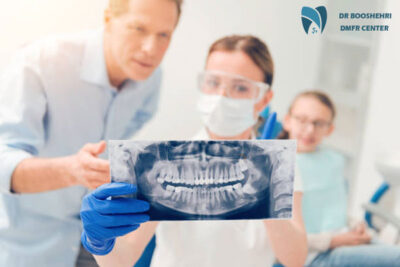
Discover the advancements in child jaw imaging with new technologies. Learn how they improve safety, reduce X-ray radiation, and enhance accuracy.
Why Is Child Jaw Imaging with Advanced Technologies Important?
Child jaw imaging with advanced technologies is essential for several reasons. First, these technologies allow doctors to assess the structure of a child’s jaw and teeth with exceptional precision. Child jaw imaging can identify jaw abnormalities or growth issues that may lead to serious problems in the future. This early detection helps prevent costly and complex treatments down the line.
Using child imaging technology also reduces anxiety in children during the diagnostic and treatment processes. Advanced devices are designed to provide greater comfort for patients. The images produced by these technologies are highly detailed, offering comprehensive insights into the child’s jaw condition.
Additionally, child jaw imaging minimizes the amount of X-ray radiation exposure, reducing the risks associated with traditional imaging methods. This is especially significant for parents concerned about the long-term health of their children.
In summary, the importance of advanced technologies in child jaw imaging lies in early diagnosis, optimized treatments, and creating a better overall experience for children and their parents.
Accurate Analysis of Jaw Growth in Children Using Modern Imaging
The growth of a child’s jaw is a complex process requiring regular and precise monitoring. Child jaw imaging with modern technologies allows healthcare providers to analyze this process in detail. These technologies include techniques like CBCT (Cone-Beam Computed Tomography) and digital radiography, which deliver high-resolution, detailed images.
With child imaging, minor changes in the structure of the jaw and teeth can be detected promptly. This enables doctors to initiate timely interventions. These technologies are particularly useful for orthodontic planning and pre-surgical evaluations.
One standout feature of these technologies is their ability to analyze jaw growth in 3D. These three-dimensional images provide doctors with a comprehensive view of the jaw structure, which was not possible with traditional methods. Furthermore, the amount of X-ray radiation exposure has significantly decreased.
Ultimately, child jaw imaging with modern technology assures parents that their children receive the best possible care. These technologies not only enhance diagnostic accuracy but also support doctors in delivering targeted treatments.
The Future of Child Jaw Imaging: From Advanced Technologies to Better Diagnosis
The future of child jaw imaging looks brighter than ever with the advent of advanced technologies. The progress made in this field has opened up new possibilities for doctors and patients alike. Innovations in 3D imaging, artificial intelligence, and robotics are continuously improving the quality and precision of images.
One of the most exciting aspects of this advancement is the integration of artificial intelligence (AI) with child imaging technologies. AI helps doctors quickly identify patterns of abnormalities and deliver more accurate treatments. Additionally, the use of advanced technologies reduces human errors and accelerates the diagnostic process.
In the near future, imaging devices are expected to become smaller and more portable, providing a more comfortable experience for children. Furthermore, the use of biocompatible materials in device construction will reduce health risks. Child jaw imaging will thus become a powerful tool for the prevention and treatment of oral and dental issues.
In conclusion, the future of child imaging technologies is filled with exciting innovations that will contribute to better oral health for future generations.
Frequently Asked Questions About Child Jaw Imaging
How Do New Technologies in Child Jaw Imaging Reduce Radiation?
Modern imaging technologies like CBCT (Cone-Beam Computed Tomography) and digital radiography are designed to minimize radiation exposure. These technologies use advanced sensors to capture high-quality images, reducing the need for repeated exposure. As a result, child jaw imaging with these devices is both safer and more accurate.
What Problems Can Be Diagnosed with Child Jaw Imaging?
Child jaw imaging can identify issues such as jaw abnormalities, delayed tooth growth, improper tooth positioning, and even the presence of cysts or tumors. These technologies enable doctors to detect problems at early stages, preventing further complications.
What Is the Difference Between CBCT and Traditional X-Rays in Child Jaw Imaging?
CBCT provides detailed 3D images that offer a comprehensive view of the jaw, teeth, and surrounding tissues, making it highly useful for diagnosing and planning complex treatments. In contrast, traditional X-rays produce 2D images with less depth and detail. CBCT is particularly advantageous when precision is critical.
Is Child Jaw Imaging Suitable for All Children?
Yes, child jaw imaging is generally safe and suitable for all children, especially when precise assessment of jaw growth or abnormalities is required. Doctors typically minimize radiation exposure for children and only recommend imaging when necessary.
How Much Does Child Jaw Imaging with New Technologies Cost?
The cost of child jaw imaging depends on the type of equipment and the clinic offering the service. Advanced methods like CBCT are usually more expensive than traditional X-rays but provide much more detailed information. Many parents prefer these modern technologies for more accurate diagnoses.
The First Step to Your Child’s Oral and Jaw Health
In today’s advanced world, choosing an experienced specialist for child jaw imaging is crucial. Dr. Boushehri, a specialist in oral and maxillofacial radiology, offers precise and safe imaging services using the latest technologies and advanced equipment. His specialized center helps parents benefit from quick diagnoses and effective treatments.
If you are looking for a reliable solution to assess your child’s jaw and oral growth or have questions on this topic, feel free to leave a comment below. To schedule a consultation with Dr. Boushehri, simply contact his specialized center and take advantage of his expertise in this field.