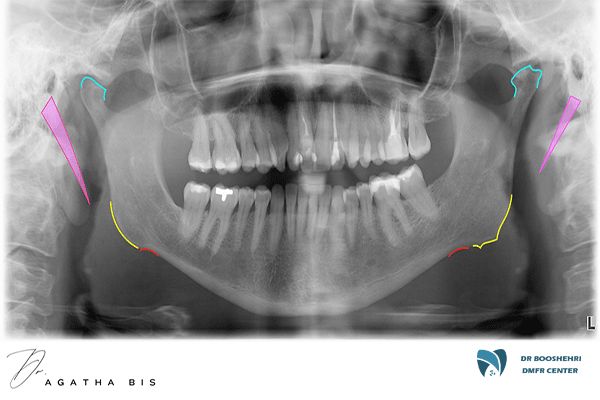
Jaw radiography is one of the critical aspects of medical imaging, especially for patients who suffer from limited mouth opening. This article introduces you to modern techniques in oral imaging, the challenges and solutions, and the importance of these methods in diagnosis and treatment. Additionally, we will answer questions you might have about oral imaging and jaw radiography. Reading this article will help you gain comprehensive and practical knowledge in this field.
Key Questions Addressed in This Article:
- What is jaw radiography, and what are its applications?
- What is CBCT 3D imaging, and what are its benefits?
- Why is oral imaging challenging for patients with limited mouth opening?
- What is panoramic radiography, and when is it used?
- What is the best method for oral imaging in patients with a locked jaw?
To find answers to these questions and gain more insights, we recommend reading all sections of this article.
Innovative Methods in Jaw Radiography for Patients with a Locked Jaw
Jaw radiography is one of the most important tools for diagnosing jaw and oral problems. For patients with a locked jaw or limited mouth opening, selecting the appropriate imaging method is crucial. These limitations can result from previous surgeries, jaw injuries, or joint disorders. Modern jaw radiography methods, such as CBCT (Cone Beam Computed Tomography), provide more precise and high-quality images. These techniques are particularly useful when a patient cannot fully open their mouth.
Using advanced devices for jaw radiography reduces the need for excessive patient repositioning and ensures greater comfort. Moreover, these methods minimize the risks associated with X-ray radiation. Ultimately, the primary goal of jaw radiography is to deliver accurate images for proper diagnosis and treatment planning. Frequent use of jaw radiography in this process can significantly improve the management of patients with jaw limitations.
Oral Imaging: Challenges and Solutions for Patients with Limited Mouth Opening
Oral imaging in patients who cannot open their mouths presents specific challenges. These challenges include difficulties in proper patient positioning, limited imaging angles, and lower image quality. To address these issues, specialists use advanced oral imaging techniques, such as smaller plates or portable devices.
Another solution for oral imaging involves leveraging advanced digital systems, which capture high-quality images with minimal patient movement. These systems not only streamline the oral imaging process but also enhance diagnostic accuracy. Oral imaging for patients with jaw limitations requires additional expertise and precision to ensure the captured images provide sufficient information for designing a suitable treatment plan.
The Importance of Jaw Radiography in Diagnosing Locked Jaw Conditions
Jaw radiography plays a pivotal role in diagnosing diseases and disorders related to the jaw and mouth. For patients with a locked jaw, accurate diagnosis requires detailed information about the internal structures of the jaw. This information is obtained through jaw radiography, which is specifically designed to evaluate issues such as joint injuries, inflammations, and bone masses.
Using jaw radiography for these patients enables physicians to select the most effective treatment methods. This process also reassures patients that their condition has been thoroughly assessed and an appropriate treatment plan is in place. As a fundamental tool in managing patients with jaw problems, jaw radiography holds significant value.

Specialized jaw radiography for patients with limited mouth opening. Discover advanced techniques and CBCT advantages for accurate diagnosis.
Advanced Oral Imaging Techniques for Patients with Jaw Limitations
In modern healthcare, advanced oral imaging techniques play a critical role in diagnosing and treating jaw and oral problems. For patients unable to fully open their mouths due to a locked jaw, these techniques become even more crucial. Oral imaging using 3D and digital devices allows for highly detailed images, enhancing diagnostic accuracy.
One such technique is panoramic radiography, which provides a comprehensive view of the jaws and surrounding structures. This method is particularly beneficial for patients with jaw limitations. Additionally, portable oral imaging devices enable imaging in specialized settings, reducing the need for patient repositioning. Overall, advanced oral imaging techniques equip specialists with precise information about patient conditions, enabling them to deliver superior treatment plans.
The Role of Jaw Radiography in Managing Patients with Limited Mouth Opening
Jaw radiography is an essential tool for managing patients with limited mouth opening. These patients often face restrictions due to trauma, surgery, or joint diseases, making it challenging for them to open their mouths fully. In such cases, jaw radiography provides accurate information about the condition of joints, bones, and surrounding tissues.
Managing these patients requires a combination of imaging techniques and specialized treatments. With the help of jaw radiography, healthcare professionals can design more effective treatment plans and deliver better outcomes for their patients. This process is particularly critical for patients with complex jaw conditions, underlining the indispensable role of jaw radiography in their care.
Oral Imaging in Locked Jaw Conditions: Choosing the Best Methods
Selecting the appropriate oral imaging technique for patients with a locked jaw significantly impacts diagnostic accuracy and treatment success. In such cases, it is crucial to use methods that exert minimal pressure on the patient while providing precise images. Advanced oral imaging technologies, such as 3D and digital devices, are recognized as some of the best options.
These techniques allow for detailed examination of jaw and oral structures, helping physicians identify hidden issues. Choosing the right oral imaging methods, especially for patients with jaw limitations, can play a decisive role in improving their quality of life.
Common Questions from Patients About Jaw Radiography
What is jaw radiography, and what is its purpose?
Jaw radiography is a tool used to capture detailed images of jaw and oral structures, aiding physicians in diagnosing conditions such as a locked jaw, inflammation, or joint injuries. This technique is highly beneficial for treatment planning and surgical procedures.
What is CBCT 3D imaging, and what are its advantages?
CBCT (Cone Beam Computed Tomography) is a type of 3D imaging that provides highly accurate visuals of the jaw, teeth, and surrounding structures. It is particularly suitable for patients with limited mouth opening because it offers high precision and minimizes patient movement.
Why is oral imaging challenging for patients with limited mouth opening?
This challenge arises from issues like proper angulation, the patient’s inability to maintain the required position, and the low quality of images produced by traditional methods. Advanced techniques, such as digital devices and smaller imaging plates, have addressed these problems.
What is panoramic radiography, and when is it used?
Panoramic radiography is a method that provides a comprehensive view of the jaws, teeth, and surrounding structures. It is particularly useful for identifying widespread issues like fractures or bone diseases and does not require the patient to open their mouth fully.
What is the best oral imaging method for patients with a locked jaw?
The best method is CBCT 3D imaging, which delivers more precise images with minimal patient discomfort. Panoramic radiography is also a suitable option for these patients.
In the Diagnostic Process
This article reviews various oral imaging and jaw radiography methods for patients with limited mouth opening. These techniques, utilizing advanced tools and specialized knowledge, enable more accurate diagnosis and better treatment. If you or a loved one requires consultation or specialized oral imaging, Dr. Boushehri, a specialist in oral, jaw, and facial radiology, is the best choice.
Dr. Boushehri provides precise imaging services using modern equipment and advanced methods. You can schedule a consultation through his specialized center and receive direct answers to all your questions. Additionally, if you have any questions, you can ask them in the comments section and receive responses from his specialized team.