Radiology Risks are a primary concern for many individuals requiring medical imaging. In this article, we provide a comprehensive overview of the effects of X-ray Radiation on the body, the level of associated risks, and practical ways to minimize Imaging Side Effects. You’ll learn how safe these radiations are, how to maximize their benefits, and what precautions should be taken to protect your health.
Additionally, we will address common questions essential for making informed decisions about medical imaging. Reading this article will help alleviate your concerns about X-ray Radiation and provide you with precise information on its benefits and potential risks.
Questions Addressed in This Article:
- Is X-ray Radiation carcinogenic?
- How can the risks of X-ray Radiation be avoided?
- Is X-ray Radiation more dangerous for children?
- Is imaging with X-ray Radiation safe during pregnancy?
- How long does X-ray Radiation stay in the body?
Continue reading to find answers to these crucial questions!
What is X-ray Radiation, and How Does It Work?
Radiology is one of the most advanced medical imaging techniques, enabling the visualization of internal body structures using X-ray Radiation. This method operates by sending X-rays through the body and capturing images formed as the rays pass through various tissues. Concerns about Radiology Risks have been prominent among both patients and specialists over the years. To better understand this subject, it’s essential to explore how X-ray Radiation works.
When X-rays pass through the body, different tissues absorb the rays at varying levels. Bones, due to their higher density, absorb more rays and appear white in the images, while softer tissues like muscles and skin absorb less, appearing darker.
While the use of X-ray Radiation is crucial for diagnosing conditions such as bone fractures or dental issues, questions about its risks and impacts on health frequently arise. In reality, although Radiology Risks exist, modern technologies have significantly minimized these dangers. For instance, contemporary devices use extremely low doses of radiation to produce high-quality images while reducing Imaging Side Effects. Understanding how X-ray Radiation operates can help ease concerns about its use.
Radiology Risks: Are X-rays Really Harmful?
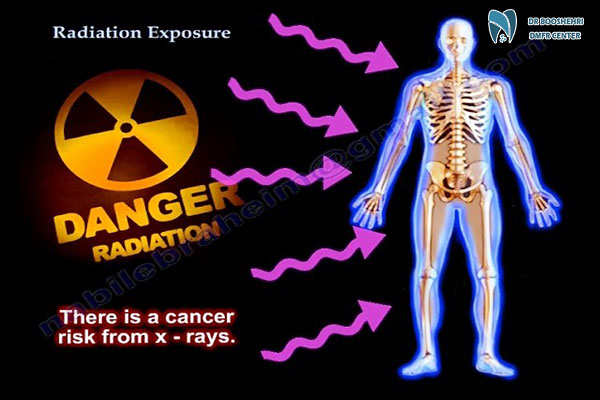
One of the most frequently asked questions about radiology is whether the use of X-ray Radiation can cause serious harm to the body. The answer depends on several factors, including the radiation dose, the frequency of imaging, and the type of equipment used. Radiology Risks are more concerning when high doses of radiation are applied over an extended period.
The reality is that X-rays are a type of ionizing radiation that, when overused, can potentially damage body cells. However, in medical imaging procedures like dental or maxillofacial radiology, the radiation dose is extremely low, and the likelihood of severe complications is minimal. Moreover, advancements in medical technology have enhanced device precision and optimized radiation doses.
Studies have shown that the benefits of X-ray Radiation, such as the accurate diagnosis of diseases, far outweigh its potential risks. Additionally, following safety measures like using lead shields and limiting the frequency of imaging can further reduce Imaging Side Effects. By adhering to these precautions, patients can safely enjoy the advantages of radiology without unnecessary worry.
Learn about Radiology Risks, how X-ray Radiation affects health, and discover effective ways to minimize Imaging Side Effects during medical
Balancing Imaging Side Effects and Benefits in Diagnosing Dental and Jaw Issues
X-ray Radiation plays a vital role as a key tool in diagnosing dental and jaw conditions. However, concerns about Radiology Risks and their effects on health persist. To better understand this topic, it is essential to weigh the benefits of this technology against its potential Imaging Side Effects.
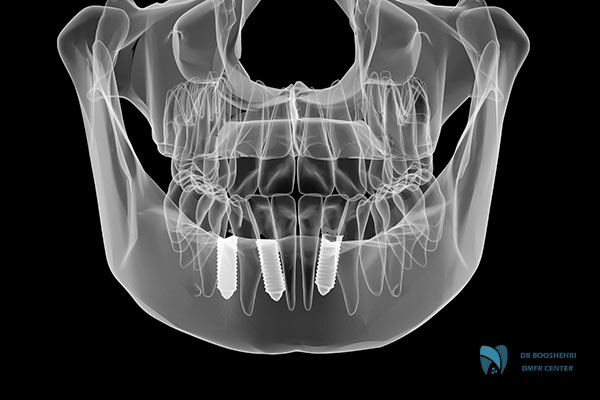
In dental and jaw imaging, X-ray Radiation provides a detailed view of hidden structures like tooth roots, cavities, or jaw problems. This information is crucial for precise diagnosis and treatment. For instance, without radiology, detecting deep infections or minor fractures would be nearly impossible.
On the other hand, the risks associated with radiology in such imaging are minimal due to the low radiation doses used. Modern devices are equipped with advanced technologies that minimize radiation exposure while maintaining high image quality. Additionally, professionals employ safety measures like lead aprons to mitigate Imaging Side Effects further.
Overall, the benefits of using X-ray Radiation for the diagnosis and treatment of conditions far outweigh the potential risks, provided that safety protocols are followed.
The Impact of X-ray Radiation on the Body: Myths or Facts?
One of the most controversial topics surrounding X-ray Radiation is its impact on the body. Are the concerns about Radiology Risks real, or are they mostly based on rumors? To answer this question, we must refer to scientific evidence and accurate information.
X-rays, used in X-ray Radiation, are a type of ionizing radiation that can damage body cells at high doses. However, in medical imaging, the radiation dose is very low, and the likelihood of serious problems is extremely low. This is why many of the rumors about Imaging Side Effects are exaggerated.
Additionally, modern imaging procedures take measures like using lead shields and reducing exposure time, minimizing the risk of harm. Therefore, while X-ray Radiation can be harmful at very high doses, under controlled conditions and for diagnostic purposes, it poses no significant risk.
Studies show that ionizing radiation can damage DNA and, in some cases, lead to cancer, especially in individuals who undergo frequent imaging at a young age. On the other hand, some research indicates that low doses of radiation, such as those used in standard radiographs, do not pose significant risks, and linear no-threshold models for these doses are considered invalid. For more detailed information, refer to this scientific source.
How to Minimize Radiology Risks?
To reduce Radiology Risks, advanced techniques and methods should be employed. One such method is using modern equipment that minimizes X-ray Radiation doses. Additionally, using lead shields to cover sensitive body areas, such as the thyroid or reproductive organs, can reduce Imaging Side Effects.
It is important for patients to consult with their doctors about the necessity of imaging before undergoing procedures. In many cases, imaging is only recommended when the information it provides is essential for the patient’s treatment. Also, limiting the frequency of X-ray Radiation and maintaining appropriate intervals between sessions can prevent excessive radiation accumulation in the body.
Do X-rays Pose More Risks for Children and Pregnant Women?
Children and pregnant women are more vulnerable to Radiology Risks due to the increased sensitivity of their body tissues. In children, cells are growing and dividing rapidly, which increases the risk of damage from X-ray Radiation. Therefore, imaging for children is performed only when absolutely necessary.
For pregnant women, X-ray Radiation can potentially harm the developing fetus, especially during the first trimester when the fetal cells are rapidly dividing. Consequently, when imaging is needed, doctors use alternative methods or specific protective measures to minimize Imaging Side Effects.
However, modern equipment and adherence to safety protocols have significantly reduced the risk of harm for these groups.
Frequently Asked Questions About X-ray Radiation and Its Risks
Is X-ray Radiation carcinogenic?
X-ray Radiation, used in radiology, is a type of ionizing radiation that may increase the risk of cancer at high doses. However, in medical imaging, the radiation dose is very low, and the likelihood of cancer development is minimal. Advances in technology and adherence to safety standards in modern equipment have minimized this risk. Therefore, the benefits of necessary imaging outweigh the potential risks.
Is X-ray Radiation more dangerous for children?
Yes, children are more sensitive to X-ray Radiation due to their rapidly growing cells. However, advanced equipment and specific imaging techniques designed for children minimize the radiation dose. The use of these technologies, combined with adherence to safety principles, reduces potential risks.
Is X-ray Radiation safe for pregnant women?
Imaging with X-ray Radiation is not recommended for pregnant women, especially in the first trimester, as it could harm the developing fetus. If imaging is essential, doctors use alternative methods or special protective measures. Always inform your doctor about your pregnancy before undergoing imaging.
How long does X-ray Radiation remain in the body?
X-ray Radiation is a form of radiation and does not remain in the body after imaging. Concerns about radiation lingering in the body are unfounded. The radiation is only active during exposure, and once the imaging process is complete, there is no trace of it left in the patient’s body.
Summary and Special Recommendation with Consultation from Dr. Boushehri
In this article, we discussed how X-ray Radiation works, the potential risks it may pose, and ways to minimize these risks. We also explained that the benefits of imaging with X-ray Radiation, particularly in diagnosing dental and jaw problems, far outweigh the potential risks.
If you still have questions or need specialized advice on this subject, we recommend utilizing the services of Dr. Boushehri, a specialist in Dental Radiology and Maxillofacial Radiology. Dr. Boushehri, with advanced technology and extensive experience, is ready to provide specialized imaging services and answer your questions.
You can schedule a consultation at Dr. Boushehri’s specialized imaging center and ask any questions you may have regarding Radiology Risks or any related topic. Additionally, feel free to leave your questions in the comments section, and they will be addressed.
Take action now and benefit from Dr. Boushehri’s exceptional services!