Evaluation of jawbone health is a crucial focus of this article, where you will become familiar with an important dental method known as jawbone radiography. This technique is specifically used to assess the health of the jawbones and helps dentists identify bone loss and gum issues with greater accuracy. Additionally, this article will answer fundamental questions about this method—questions that are essential for your oral and dental health. If you are looking for a clearer understanding of jawbone radiography and its application in Evaluation of jawbone health, stay with us until the end.
The questions that will be answered in the following sections include:
- What is bitewing radiography and how does it help in assessing the jawbones?
- How does bitewing radiography show bone loss in the jaw?
- How often is bitewing radiography recommended for assessing the health of the jawbones?
- What problems in the jawbones does bitewing radiography identify?
- Does bitewing radiography pose any risk to the jawbones or the body?
Be sure to read the rest of the article to familiarize yourself with all the important details about Evaluation of jawbone health and the significance of jawbone radiography!
Evaluation of jawbone health with Bitewing Radiography: The Latest Diagnostic Methods
Jawbone radiography, especially in the form of bitewing radiography, is one of the most precise and advanced dental imaging methods widely used to Evaluation of jawbone health and teeth. This method enables dentists to obtain clear and accurate images of the areas between the teeth and the jawbones. It is particularly effective for diagnosing bone loss, gum diseases, and damage caused by decay in the posterior areas of the jaw.
In this method, the patient holds a small plate known as a “bitewing” between their teeth to ensure proper image capture. These two-dimensional images help the dentist identify changes in the jawbone. The use of jawbone radiography allows practitioners to detect potential issues before they develop into more serious problems and to take timely therapeutic actions.
With advancements in technology, the accuracy and quality of bitewing images have also improved. This is especially important for patients who require a more detailed assessment of their jawbone health or are at risk for gum and bone diseases. Physicians can provide more precise treatment recommendations based on these images and prevent the onset of more serious issues.
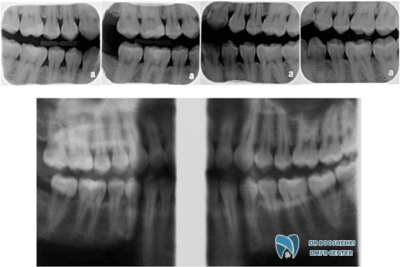
Evaluation of jawbone health through jawbone radiography is a vital process in maintaining oral and dental health, enabling accurate diagnosis and prevention of oral and dental issues.
Bitewing Radiography for Evaluation of jawbone health: Why Dentists Recommend This Method
Dentists recommend bitewing jawbone radiography to patients for several reasons. This method provides a more precise view of the areas between the teeth and jawbones compared to other imaging techniques. One of the primary reasons for using this method is the Evaluation of jawbone health, particularly for detecting bone loss that may result from gum diseases or improper pressure on the jaw.
In addition to diagnosing bone loss, jawbone radiography aids in identifying cavities between the teeth. These cavities are often difficult to see with the naked eye or through routine examinations due to their location. With this technique, the dentist can obtain sufficient information about the health of the teeth and jawbones without resorting to invasive methods.
This method is not only recommended for diagnosing current issues but also serves as a preventive tool. By accurately Evaluation of jawbone health and teeth, it is possible to prevent more serious problems and ensure the long-term well-being of the patient.
High-Precision Assessment of Jawbone Health: The Key Role of Bitewing Radiography
Precision in evaluating jawbone health is vital for accurate diagnosis and treatment in dentistry. Jawbone radiography, particularly in the form of bitewing, provides detailed images of the bones and teeth, allowing for the examination of subtle changes in the jaw structure that may be early signs of larger issues, such as gum diseases or bone loss.
This technique is especially important for patients experiencing bone loss. Bone loss can occur due to gum diseases or improper pressure on the teeth. Bitewing jawbone radiography accurately assesses the amount and rate of bone loss, enabling practitioners to take necessary actions to prevent its progression. Additionally, this technique aids in detecting interproximal cavities that are often not identifiable through standard examination methods. Evaluating jawbone health using this method helps dentists prevent further bone and tooth loss.
The Difference Between Bitewing Radiography and Other Imaging Techniques
Understanding the difference between bitewing radiography and other imaging methods is important for assessing jawbone health. Bitewing radiography provides precise images of the teeth and surrounding bones. This method effectively detects tooth decay and periodontal diseases. In contrast, panoramic radiography displays all teeth and the jaw in a single large image. While this technique reveals extensive damage, it does not show the details of each tooth and its surroundings as clearly as bitewing does. Comparing these two methods helps practitioners choose the best option.
There is also 3D CBCT (Cone Beam Computed Tomography) imaging available in this field. This technique offers three-dimensional imaging that accurately shows the internal structures of the jaw and teeth. Although 3D CBCT provides more detailed information, it requires more time and cost compared to bitewing radiography.
| Feature |
Bitewing Radiography |
Panoramic Radiography |
3D CBCT |
| Image Detail |
Excellent |
Moderate |
Excellent |
| Cost |
Low |
Moderate |
High |
| Imaging Duration |
Short |
Moderate |
Long |
Comparing Different Radiographic Methods in Assessing Jawbone Health
In research conducted by scientists, the accuracy of two methods of bitewing radiography—extraoral and intraoral—was examined for detecting interproximal caries and assessing jawbone health. The results indicated that both methods perform similarly in diagnosing proximal surface caries. However, when it comes to opening posterior interproximal contacts, intraoral bitewing is more accurate (95.9%) than extraoral bitewing (81.7%). Additionally, extraoral bitewing outperformed standard panoramic images (48.5%) in opening interproximal contacts. These findings assist patients in choosing the best radiographic method based on their diagnostic needs, especially when evaluating jawbone health.
How Bitewing Radiography Improves the Diagnosis of Jawbone Health
Jawbone radiography allows dentists to accurately assess jawbone conditions without the need for invasive methods. These two-dimensional images help practitioners observe changes in bone density and thickness, which may indicate serious issues such as bone resorption or periodontal diseases. One of the standout features of this method is its ability to visualize interproximal areas that are often missed by other techniques. Decay and bone changes in these regions are not easily detectable, potentially leading to more serious problems like dental and gum infections. Jawbone radiography enables dentists to identify these issues in a timely manner.
This method also enhances treatment planning. By thoroughly examining the condition of the jawbones, practitioners can select appropriate treatment strategies and ensure a higher success rate for the interventions.
Bitewing Radiography and Assessing Jawbone Health: An Essential Method for Accurate Diagnosis
In dentistry, evaluating jawbone health is crucial for diagnosing and treating oral health issues. Jawbone radiography is particularly recognized as one of the key methods for these assessments. By providing precise images of the jawbone structure, this technique enables dentists to detect subtle changes that are not visible through routine examinations.
Early detection of bone-related issues, such as bone resorption, is of great importance, as delayed identification can lead to more severe problems like tooth loss. High-precision jawbone radiography assists practitioners in recognizing early signs of bone issues and implementing timely treatment interventions.
Frequently Asked Questions by Patients
What is bitewing radiography, and how does it help assess jawbone health?
Bitewing radiography is a dental imaging technique commonly used to view the back teeth (molars) and the surrounding bone. This method is particularly useful for assessing the density and health of the jawbones. In this type of radiography, dentists can examine the areas between the teeth and the points of contact between teeth and the jawbone more accurately. This technique aids in identifying bone resorption, which can be a sign of gum disease or other serious oral health issues. Therefore, bitewing radiography is an effective tool for evaluating the condition of the jawbones, as it provides precise images of the bony structure and its density.
How does bitewing radiography show jawbone resorption?
Bitewing radiography effectively displays bone changes that may result from bone resorption or gum diseases. When the jawbones undergo resorption due to disease or continuous pressure, their structure changes in bitewing images. By observing a reduction in the height or density of the bone, dentists can diagnose bone resorption. This is especially important for patients in the early stages of periodontal disease, as bitewing radiography can identify early signs of bone loss before conditions worsen. These images help practitioners to implement necessary treatments in a timely manner.
How often is bitewing radiography recommended for assessing jawbone health?
The frequency of bitewing radiography depends on the individual’s dental and jawbone conditions. For those at higher risk of bone resorption or gum diseases, dentists may recommend performing bitewing radiography every six months to a year. However, for healthy patients without a history of gum issues or bone loss, undergoing this radiography every two to three years is usually sufficient. The goal of these periodic examinations is to identify any changes in the status of the bones and teeth early, allowing for timely preventive or therapeutic measures.
What jawbone problems can bitewing radiography identify?
Bitewing radiography can identify several issues related to the jawbones, with the most significant being bone resorption and periodontal diseases. Bone resorption can result from gum disease, infections, or incorrect pressure on the jaw. Additionally, this radiography can help detect interproximal decay that is often not visible during routine examinations. In cases where a patient has undergone orthodontic treatment or oral surgeries, bitewing radiography also assists in assessing the effects of these treatments on jawbone health and ensuring their success.
Is bitewing radiography harmful to the jawbones or the body?
Bitewing radiography, like other dental imaging methods, uses a very low amount of X-rays that are generally considered safe. The dose of radiation received by the patient is minimal, and modern radiographic devices have minimized this exposure. Furthermore, dental professionals and technicians consistently take necessary protective measures, such as using lead aprons to shield patients from radiation. Therefore, performing bitewing radiography to assess jawbone health at reasonable intervals does not pose a health risk.
Conclusion
In conclusion, Evaluation of jawbone health through jawbone radiography is a vital process in maintaining oral health. By utilizing advanced and precise methods, dentists can identify potential issues promptly and prevent their progression. If you are seeking specialized consultation and more information about the health of your jaw and teeth, we recommend Dr. Boushehri, an expert in oral and maxillofacial radiology.
Dr. Boushehri, with years of experience in dental imaging and specialization in maxillofacial radiology, can assist you in better understanding the condition of your jawbones and teeth. At his specialized imaging center, you can benefit from professional consultations and, if needed, schedule your consultation appointment.
If you have any questions regarding bitewing radiography or Evaluation of jawbone health, we would be happy to hear them in the comments section. Our support team will quickly respond to your inquiries and assist you in obtaining more information and improving your oral health. Your health is important to us!