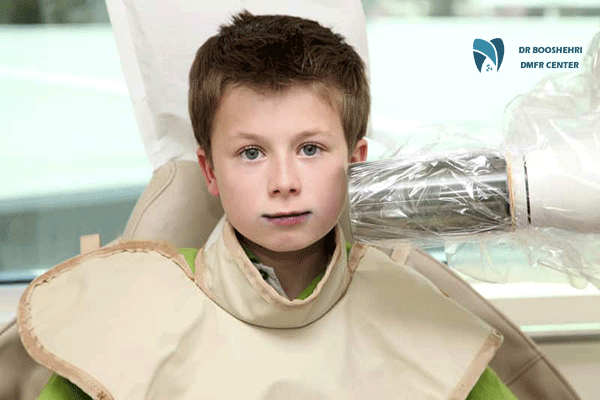
Pediatric imaging safety is one of the most critical considerations when using advanced imaging devices. In this article, you will learn about essential safety tips for imaging children and receive accurate answers to questions that parents and caregivers must know. Additionally, we will explore the differences between advanced pediatric imaging and traditional methods, as well as the role of modern equipment in this area. Furthermore, you’ll discover methods to reduce radiation exposure in advanced pediatric imaging and how to select a safe imaging center. Overall, this article covers all the essential points you need to know before imaging your child.
In this article, you’ll find answers to important questions that will help ensure your child’s imaging process is both safe and high-quality. For example: How can you ensure pediatric imaging safety? Is X-ray radiation dangerous for children? What precautions should be taken before imaging your child?
Questions You Should Know:
- How can pediatric imaging safety be ensured?
- Is X-ray radiation dangerous for children?
- Is advanced pediatric imaging different from traditional methods?
- What precautions should be taken before imaging a child?
- Is repeated imaging safe for children?
To find answers to these questions and gain more insight, make sure to read the entire article.
Why Pediatric Imaging Safety Matters
Pediatric imaging safety is a crucial topic that must be prioritized during pediatric jaw radiology. Children are more sensitive to radiation than adults, and any negligence in this area could have adverse effects on their development.
One reason pediatric imaging safety is so important is the long-term impact of radiation on children’s bodies. Growing tissues are highly sensitive to radiation, and excessive exposure can lead to issues such as growth defects or even an increased risk of serious illnesses. Therefore, utilizing advanced imaging technologies for children not only aids in better diagnosis but also minimizes radiation exposure.
Moreover, advanced imaging devices for children produce high-quality images with lower radiation doses. This is particularly significant in pediatric jaw radiology, where precise images are essential for diagnosis. Parents should ensure that imaging is performed at centers that adhere to safety standards. Pediatric imaging safety not only protects children’s current health but also safeguards their future.
The Role of Advanced Devices in Pediatric Imaging Safety
Advanced pediatric imaging devices play a crucial role in minimizing the risks associated with X-ray radiation. These devices, equipped with cutting-edge technology, provide high-quality and highly accurate images while using the lowest possible radiation levels. For instance, in pediatric jaw radiology, detailed images are needed to assess the structure of a child’s jaw and teeth. Advanced devices enable healthcare providers to make accurate diagnoses while preventing unnecessary radiation exposure.
One example of such technology is the automatic adjustment of radiation levels based on the child’s body size. This feature ensures that only the necessary amount of radiation is used, reducing the likelihood of harmful effects. Additionally, advanced imaging devices often come with ergonomic designs, making the process quicker and more comfortable for children, which reduces stress and enhances cooperation during the procedure.
The role of advanced devices in pediatric imaging safety cannot be overstated. These innovations focus on reducing radiation exposure while maintaining exceptional imaging quality, providing a reliable solution for safe and effective imaging for children.
Best Practices for Reducing Radiation in Advanced Pediatric Imaging
Reducing radiation exposure is a top priority in advanced pediatric imaging. Due to the heightened sensitivity of children to radiation, employing effective reduction techniques is critical.
One of the most effective methods is the use of digital imaging systems. These systems are designed to capture high-quality images with minimal radiation, eliminating the need for repeated imaging. Another essential practice is the use of protective equipment, such as lead aprons and thyroid shields, to safeguard sensitive areas of the child’s body from unnecessary exposure.
In addition, imaging centers should implement strict protocols to optimize radiation dosage. These protocols involve adjusting settings to match the child’s size and specific imaging needs, ensuring that only the required amount of radiation is used.
Selecting specialized centers for pediatric imaging safety, particularly those equipped with modern devices, is equally important. Such centers are committed to following best practices, including using advanced technology and safety measures. By adhering to these methods, the risks of radiation can be significantly minimized, providing a safer imaging experience for children.
How to Choose Safe Imaging Centers for Children
Choosing the right imaging center is a key factor in ensuring pediatric imaging safety. Parents should look for centers that prioritize safety by using advanced pediatric imaging devices. These centers should not only provide high-quality images but also focus on minimizing radiation exposure.
One of the critical criteria for selecting an imaging center is the expertise of the staff. Centers with experienced professionals trained in dealing with children can make the imaging process smoother and less stressful. Additionally, such staff are more likely to follow strict safety protocols, ensuring that every step of the procedure is carried out safely.
Parents should also ensure that the center uses protective measures, such as lead aprons, and implements advanced techniques to limit radiation exposure. Transparency about their procedures and willingness to answer questions regarding safety standards can also indicate the center’s reliability.
By choosing a specialized center for pediatric jaw radiology, parents can ensure their child receives the safest and most accurate imaging experience. A well-chosen center significantly impacts the overall safety and effectiveness of the imaging process.
Pediatric imaging safety, radiation reduction in pediatric jaw radiology, and tips for choosing a reliable center for advanced pediatric imaging.
The Difference Between Advanced Pediatric Imaging and Traditional Methods
Advanced pediatric imaging differs significantly from traditional methods. In traditional methods, the radiation dose was much higher, which could pose serious health risks to children. However, in advanced imaging, the devices are designed to minimize radiation exposure.
In advanced pediatric imaging, higher quality images are produced, allowing doctors to make more accurate diagnoses. For example, in pediatric jaw radiology, details of the teeth and bones are displayed with greater precision. In contrast, traditional methods may have produced unclear images, necessitating repeat imaging.
Moreover, advanced methods use technologies that adjust the radiation dose based on each child’s characteristics. This capability not only reduces radiation risks but also enhances the comfort of children during the imaging process. The differences mentioned highlight that advanced pediatric imaging represents a significant step forward in safety and image quality.
Key Points for Parents in Advanced Pediatric Imaging
Parents play a crucial role in ensuring the safety of pediatric imaging. Before visiting an imaging center, parents should confirm that the center uses advanced pediatric imaging equipment. These devices reduce radiation exposure and provide accurate images.
One important point is preparing the child for the imaging process. Parents can help reduce the child’s fear and anxiety by explaining the process in simple, clear terms. Additionally, the presence of a parent during the imaging process can provide the child with a greater sense of security.
The use of protective equipment, such as lead aprons, is another essential consideration for parents. Centers that provide such equipment typically adhere to higher safety standards. Following these guidelines can enhance the safety of pediatric imaging and give parents peace of mind about their children’s health.
Frequently Asked Questions About Pediatric Imaging Safety
How can I ensure the safety of pediatric imaging?
Choosing specialized centers with advanced equipment and a professional team, using protective gear like lead aprons, and following radiation reduction protocols are key to ensuring pediatric imaging safety.
Is radiology radiation harmful to children?
Radiology radiation can be sensitive for children, but with the use of advanced imaging equipment and radiation-reducing techniques, these risks are minimized.
Is advanced imaging for children different from older methods?
Yes, advanced pediatric imaging uses modern technologies to reduce radiation and improve image quality, whereas older methods do not offer these advantages.
What should be done before imaging a child?
Preparing the child to reduce anxiety, selecting reputable centers with safe equipment, and using protective gear are essential steps before the imaging process.
Is repeated imaging safe for children?
Frequent imaging can be risky, but in necessary cases, using advanced, low-radiation equipment and adhering to safety standards can reduce the risks.
Safe and accurate pediatric imaging in the field of maxillofacial radiology requires expertise and precision. Dr. Boushehri, a prominent specialist in oral, jaw, and facial radiology, with years of experience providing safe and accurate imaging services for children, is ready to consult with you on this matter. By visiting Dr. Boushehri’s specialized imaging center, you can benefit from advanced technologies and global safety standards.
If you have any questions or need further consultation, feel free to ask in the comments section. Dr. Boushehri’s team will gladly assist you in ensuring safe and accurate imaging for your child.
To schedule a consultation and benefit from Dr. Boushehri’s expertise, contact the imaging center now!