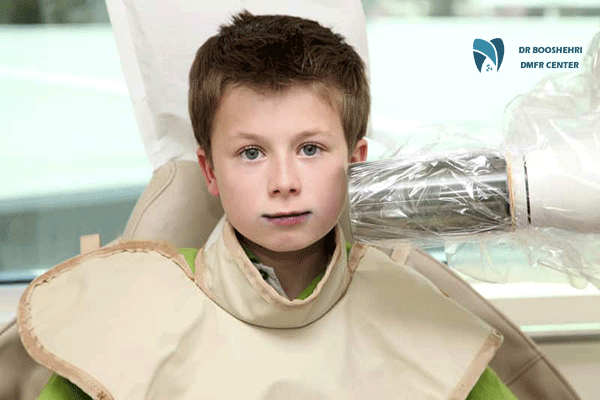
Child jaw radiology is an essential tool for identifying and assessing growth issues in children’s jaws. In this article, you will learn about the importance of this method in the early diagnosis of abnormalities and planning orthodontic treatments. Additionally, it provides comprehensive information on the appropriate timing for imaging, various radiology techniques, and their safety for children. The article also addresses critical questions that parents often ask, such as:
- Why should child jaw radiology be used?
- Is child jaw radiology safe?
- When should child jaw imaging be performed?
- What is the cost of child jaw radiology?
- How to find a reliable center for child jaw radiology?
To find answers to these questions and gain a deeper understanding of the topic, do not miss reading the full article.
Child jaw growth and development is a dynamic, multi-phase process influenced by genetic, environmental, and nutritional factors. Specialized radiology, particularly using techniques such as Magnetic Resonance Imaging (MRI) and Computed Tomography (CT), provides precise tools for analyzing structural and functional changes in the jaw over time. Studies in pediatric radiology highlight significant differences in body proportions and structures during various stages of growth, emphasizing their importance in radiological analyses.
Furthermore, advanced techniques like High-Resolution CT (HRCT) are employed to assess jaw growth and potential abnormalities in children. This technique, with its low radiation dose, ensures accurate and safe evaluation of delicate bone structures, making it a valuable tool in tracking developmental changes and diagnosing any issues effectively.
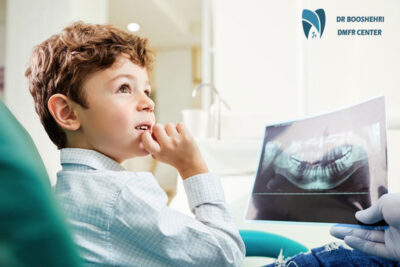
Ensure healthy jaw development in kids with advanced dental radiology. Learn methods, benefits, and safety of child jaw radiology.
The Role of Child Jaw Radiology in Diagnosing Growth Abnormalities
Child jaw radiology is one of the key tools for diagnosing growth abnormalities in children’s jaws. This imaging method enables doctors and specialists to examine the internal structures of the jaw and teeth with precision. The importance of using child jaw radiology is especially pronounced during growth phases when rapid changes occur in the bones and teeth. With the help of this technology, issues such as jaw misalignment, underdevelopment on one side of the jaw, and improper positioning of teeth can be identified.
Since the growth of a child’s jaw directly impacts their oral health and facial aesthetics, early diagnosis of abnormalities can prevent many future problems. Child jaw radiology is particularly effective in detecting issues that are not visibly apparent. In addition to diagnosis, this precise imaging method plays a crucial role in planning necessary treatments.
Therefore, parents should recognize the importance of child jaw radiology and, upon a doctor’s recommendation, should not hesitate to proceed with these examinations. With its ability to provide high-quality images, child jaw radiology delivers detailed information about jaw growth and development, empowering doctors to offer effective treatments for children.
The Importance of Child Jaw Imaging in Monitoring Oral and Dental Development
Child jaw imaging is a fundamental step in evaluating the growth and development of the mouth and teeth. Utilizing child jaw radiology, this process enables accurate assessment of internal structures and the detection of hidden issues. The growth of a child’s jaw and its alignment with the position of their teeth are critical factors in ensuring long-term oral and dental health. Child jaw imaging provides specialists with precise information about the state of permanent teeth, roots, and jawbones, allowing them to monitor the overall condition of the mouth effectively.
Child jaw radiology is essential for assessing the coordination between the jaws and preventing problems such as dental misalignment or jaw abnormalities. Conducting these imaging procedures at regular intervals can help avoid many complications and ensure that necessary treatments are initiated at the right time. Child jaw imaging not only aids in prevention but also provides fundamental information for advanced treatments, such as orthodontics.
With the use of modern technologies in child jaw radiology, parents can ensure the oral and dental health of their children while closely monitoring their developmental progress.
Advanced Child Jaw Radiology Techniques for Assessing Jaw Growth
Recent advancements in child jaw radiology have made it possible to conduct more detailed and comprehensive evaluations of jaw growth and development. These methods include technologies such as panoramic imaging, CBCT (Cone Beam Computed Tomography), and cephalometry, each playing a critical role in assessing the structural condition of a child’s jaw.
Using these advanced technologies, child jaw radiology provides complete details about the bones, teeth, and jaw joints. These methods enable healthcare professionals to gather crucial information about potential issues and plan treatments more accurately. The growth of a child’s jaw is a complex process, and any disruption can lead to long-term problems, such as dental misalignment or speech difficulties.
Therefore, selecting the appropriate radiology method and performing it at the right time has a direct impact on a child’s future health. Modern imaging techniques are not only safer but also more precise, helping specialists perform evaluations to the highest standards.
The Role of Child Jaw Radiology in Orthodontic Treatment Planning
Child jaw radiology is one of the most critical tools in planning orthodontic treatments. The growth of a child’s jaw and the position of their teeth have a direct influence on the success of orthodontic procedures. Accurate imaging of the jaw and teeth enables orthodontists to determine the best treatment methods. The data obtained through child jaw radiology, such as the status of unerupted teeth, roots, and their growth directions, play a vital role in treatment decisions.
By using child jaw radiography, specialists can identify the optimal time to begin orthodontic treatments and ensure proper progress. Moreover, this technology helps reduce costs and treatment duration, as issues are identified and addressed at earlier stages.
The Ideal Timing for Child Jaw Imaging During Growth Periods
Performing child jaw imaging at various stages of growth is particularly important. Since the growth of a child’s jaw occurs at varying rates, conducting radiological evaluations at appropriate times helps specialists accurately assess structural changes. The best time for child jaw radiology is typically between the ages of 6 and 12, as this is when permanent teeth begin to emerge and replace primary teeth.
Comparing Different Techniques for Child Jaw Radiology in Assessing Jaw Development
Each method of child jaw radiology has its own advantages and limitations. Panoramic imaging is a fast and cost-effective approach for general evaluation of the jaws and teeth, while CBCT offers greater precision for examining three-dimensional structures. Cephalometry is ideal for assessing the coordination between the jaws and planning orthodontic treatments. The choice of technique depends on the specific needs of each child and the physician’s diagnosis.
Frequently Asked Questions About Child Jaw Radiology
Why is child jaw radiology necessary?
Child jaw radiology helps in the early detection of jaw and dental growth issues. This method enables the prevention of more serious problems and allows for precise planning of orthodontic treatments.
Is child jaw radiology safe?
Yes, modern radiology technologies are designed with low radiation doses, making them safe for children. Additionally, the process is carried out in compliance with medical safety standards.
When should child jaw imaging be performed?
The best time for imaging is usually between the ages of 6 and 12. During this period, jaw growth changes and the eruption of permanent teeth can be clearly observed.
How much does child jaw radiology cost?
Costs depend on the technique used, such as panoramic imaging, CBCT, or cephalometry. Generally, panoramic imaging is less expensive compared to three-dimensional methods.
How can I find a reliable center for child jaw radiology?
Choosing a reliable center requires reviewing the expertise of specialists, the quality of equipment, and user feedback. Reputable centers with a history of excellence and high standards are the best options.
Summary
Child jaw radiology is an essential tool for diagnosing and treating oral and dental issues. If you are concerned about your child’s jaw growth and development, we recommend seeking the services and consultation of Dr. Boushehri, a specialist in oral and maxillofacial radiology. Their specialized center is equipped with advanced technologies, allowing you to schedule a consultation with complete confidence. Additionally, if you have any questions, feel free to ask them in the comments section. Dr. Boushehri, with extensive experience and expertise, is committed to providing you with the best services.