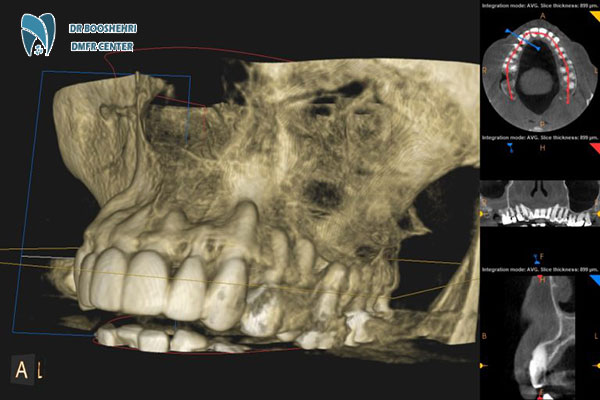
CBCT imaging is one of the most advanced medical imaging techniques, thoroughly explored in this article. By reading this content, you will gain a comprehensive understanding of the significance and applications of CBCT imaging in dentistry and maxillofacial radiology. Additionally, we will discuss how it differs from traditional imaging methods, its benefits, safety, and associated costs. This article aims to address all the critical questions you might have in mind.
To fully understand this innovative technology, we recommend reading the entire article and taking advantage of its practical insights. With a focus on expertise and experience in oral and maxillofacial imaging, this article will help you make informed decisions about your diagnostic and therapeutic needs.
Questions answered in this article include:
- What is CBCT imaging, and how does it differ from traditional radiography?
- What are the benefits of CBCT imaging?
- What are the applications of CBCT imaging in dentistry?
- How much does CBCT imaging cost?
- Is CBCT imaging safe?
For precise and scientific answers to these questions, don’t miss the opportunity to read this article in full.
What is CBCT? Understanding Advanced 3D Imaging Technology
CBCT imaging, or Cone Beam Computed Tomography, is an advanced radiological technology used to create highly detailed 3D images of internal body structures, particularly in the maxillofacial region. Utilizing cone-shaped beams, this method produces precise and clear visuals of dental structures, bones, sinuses, and soft tissues. Unlike traditional 2D imaging methods like panoramic radiography, CBCT imaging provides a more accurate and three-dimensional view of the targeted areas.
One of the key reasons for using CBCT imaging is its ability to deliver comprehensive and practical information for accurate diagnosis and treatment planning. This technology holds significant importance in various medical fields, especially dentistry and oral and maxillofacial surgery. With the help of CBCT, practitioners can identify issues such as dental abnormalities, jaw fractures, and bone changes with greater precision.
A standout feature of CBCT is its high-speed imaging process and reduced exposure to harmful radiation compared to conventional CT scans. Additionally, it allows imaging from different angles, which plays a crucial role in more accurate diagnoses and clinical decision-making.
Why is CBCT Important in Dentistry and Maxillofacial Radiology?
CBCT imaging has become an essential tool in dentistry and oral and maxillofacial radiology due to its unique features and numerous advantages. This technology provides highly accurate visuals of dental and maxillofacial structures, offering vital information for diagnosis and treatment planning.
One of its significant advantages is the ability to precisely detect issues like bone loss, dental anomalies, and the exact position of tooth roots. For instance, in dental implant placement, CBCT allows practitioners to thoroughly evaluate the bone structure and the location of blood vessels, ensuring safe and effective treatment.
Moreover, CBCT reduces imaging time, delivers high-quality images, and exposes patients to less radiation compared to older methods. These benefits have made this technology indispensable in diagnosing complex conditions and planning advanced treatments. Overall, CBCT imaging empowers doctors to deliver more precise and safer care.
In a separate article, we have explored the differences between CT scans and CBCT imaging in dentistry, which you may also find informative.
CBCT imaging is an advanced imaging technology providing detailed 3D scans, widely used in dentistry and oral & maxillofacial radiology.
CBCT imaging is an advanced imaging technology providing detailed 3D scans, widely used in dentistry and oral & maxillofacial radiology.
Key Applications of CBCT Imaging in Dental and Medical Treatments
CBCT imaging has a wide range of applications and plays a crucial role in various fields of dentistry and medicine. One of its most significant uses is in precise planning for dental implant placement. With CBCT, practitioners can evaluate the jawbone structure, pinpoint nerve locations, and assess tooth root positions to make the best treatment decisions.
Another essential application of CBCT is identifying sinus issues and evaluating bone abnormalities in oral and maxillofacial surgery. This technology provides comprehensive insights into internal jaw and facial structures, which are vital for addressing conditions such as tumors, cysts, and infections.
Additionally, CBCT imaging is instrumental in diagnosing impacted teeth, assessing bone loss in patients with periodontal diseases, and planning orthodontic treatments. Due to its high level of accuracy and comprehensive information, this technology has become indispensable for advanced dental and medical care.
Advantages of CBCT Imaging Over Traditional Methods
CBCT imaging offers several notable advantages over traditional methods, making it one of the most preferred imaging techniques in dentistry and radiology. One primary benefit is its ability to produce high-quality 3D images, allowing for a detailed view of complex structures.
Another significant advantage is the reduced radiation exposure compared to conventional CT scans. This makes CBCT a safer and more suitable option for patients. Additionally, the high speed of imaging in this method minimizes the time required for the procedure, enhancing the patient experience.
Traditional methods often produce 2D images that provide limited information. In contrast, CBCT imaging eliminates these limitations by delivering detailed and comprehensive visuals, enabling practitioners to diagnose complex problems more effectively and plan treatments with greater precision.
How CBCT Helps Improve Diagnostic Accuracy and Treatment
One of the primary reasons for the popularity of CBCT imaging is its positive impact on diagnostic accuracy and treatment quality. This technology enables doctors to view the internal structures of the body in high detail, helping them identify issues that may not be detectable using traditional imaging methods.
CBCT imaging plays a crucial role in diagnosing complex problems such as impacted teeth, jaw cysts, and bone changes. With the detailed information provided, healthcare professionals can offer more precise and effective treatments. Moreover, this technology is essential in planning treatments such as jaw surgeries, orthodontics, and dental implants.
Overall, CBCT imaging has significantly improved outcomes in both medical and dental treatments by offering comprehensive and precise data.
Things You Should Know Before Undergoing CBCT Imaging
Before undergoing CBCT imaging, being aware of some important details can help patients have a better experience. This imaging method typically does not require any special preparation, though doctors may provide recommendations, such as removing metal objects from the mouth and head.
CBCT imaging is considered highly safe due to its low radiation levels; however, extra caution is advised when using it for pregnant women and children. Additionally, the procedure is very fast and painless, ensuring a comfortable experience for patients.
While CBCT imaging provides extremely detailed information, it may be more expensive than traditional methods. Therefore, it is essential to consult with a doctor about whether this method is necessary for the patient’s specific condition.
Frequently Asked Questions About CBCT
What is CBCT and how does it differ from traditional radiographs?
CBCT (Cone Beam Computed Tomography) is an advanced imaging technology that provides detailed 3D images of the internal structures of the body, particularly in the head and neck area. The main difference between CBCT and traditional radiographs is the ability to provide three-dimensional images and more comprehensive information, whereas traditional radiographs only produce 2D images.
What are the benefits of CBCT imaging?
CBCT imaging offers numerous advantages, including the ability to produce accurate 3D images, reduced radiation exposure compared to traditional CT scans, and a faster imaging process. This method enables better detection of dental and jaw-related issues and is highly beneficial in planning treatments such as implants and orthodontics.
What is the use of CBCT in dentistry?
CBCT in dentistry is used for applications such as planning dental implants, diagnosing impacted teeth, evaluating bone loss, assessing sinus problems, and orthodontic treatments. This technology provides precise and comprehensive data that significantly improves diagnostic accuracy and treatment outcomes.
How much does CBCT imaging cost?
The cost of CBCT imaging varies depending on the imaging center and the services provided. It is generally more expensive than traditional radiographs but offers greater value due to the more detailed and comprehensive information it provides. It is advisable to consult with your doctor or imaging center regarding the costs before undergoing the procedure.
Is CBCT imaging safe?
Yes, CBCT imaging is considered safe due to its lower radiation exposure compared to conventional CT scans. However, its use in pregnant women and children should be approached with greater caution. Doctors typically recommend CBCT when its benefits outweigh the potential risks, ensuring patient safety.
Why Should You Trust Dr. Boshiri’s Services?
If you are looking for a specialized and reputable center for CBCT imaging, Dr. Boshiri, with expertise in oral, maxillofacial, and radiology, is the best choice for you. With advanced technology and considerable experience, he will meet all your diagnostic and treatment needs with precision and high quality.
Dr. Boshiri’s specialized imaging center provides a modern and well-equipped environment, ensuring you can benefit from expert consultation and treatment services with peace of mind. If you have any questions, you can ask them in the comments section and receive professional answers. Additionally, you can easily book a consultation online or via phone.
By visiting Dr. Boshiri’s specialized center, you will receive the best imaging services and take an important step towards diagnosing and treating your issues.