aw and Facial Surgery is a topic where you will get familiar with all its aspects in this article, from the mental and physical preparations before the surgery to the Jaw Surgery Recovery Steps and how to deal with the Complications of Jaw and Facial Surgery. If you’re looking for answers to your questions about the process of this surgery, recovery after it, and possible complications, reading this article is essential for you.
Below are some questions you may have. Answering these questions can help you approach your surgery with more confidence and manage your recovery better:
- How do I prepare for Jaw and Facial Surgery?
- What are the Jaw Surgery Recovery Steps?
- What are the Complications of Jaw and Facial Surgery?
- How long after Jaw and Facial Surgery can I eat normal foods?
- How can I prevent the Complications of Jaw and Facial Surgery?
To find answers to these questions and gather more information, be sure to read the entire article carefully!
Preparing for Jaw and Facial Surgery: A Complete Guide for Patients
Reviewing the Steps Before Jaw and Facial Surgery
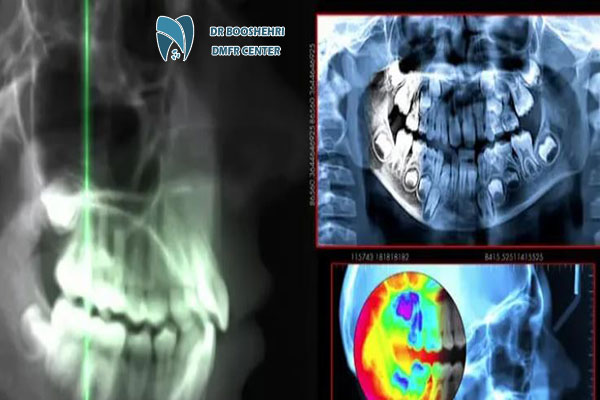
Before any Jaw and Facial Surgery, patients must go through steps that are crucial not only for physical preparation but also for mental readiness. The first step is consulting with the surgeon. In these consultations, the doctor will thoroughly assess your condition and utilize advanced imaging techniques like CBCT to make an informed decision. These images help the physician create a precise surgical plan by fully understanding the structure of the jaw and face.
Next, patients need to undergo necessary medical tests to ensure that their bodies are in good condition for surgery. The doctor may recommend changes to your diet or medications to prepare your body for this surgery. These pre-surgical preparations will significantly impact the successful outcome of the procedure.

Discover the complete process of jaw and facial surgery, from preparation to recovery and managing 5 common complications. Consult Dr. Boushehri today!
Mental Preparation for Jaw and Facial Surgery
In addition to physical preparation, mental readiness is also very important. Jaw and Facial Surgery can cause anxiety in patients, especially if it’s their first time. Understanding the process and stages of the surgery helps patients enter this experience with more confidence. Consulting with the doctor and asking questions about the surgical process, potential complications, and recovery can help alleviate stress.
Relaxation exercises like meditation and focusing on deep breathing can also mentally prepare the patient for surgery. Emotional support from family and friends is crucial at this stage. Open and honest communication with the physician about any concerns can help patients approach their surgery with greater confidence. Studies emphasize the importance of pre-operative counseling and state that clear communication about potential outcomes, particularly concerning social appearance concerns, is essential for aligning expectations and improving overall patient satisfaction.
Jaw Surgery Recovery Steps: Tips for a Faster Recovery Period
Early Recovery Phase
After Jaw and Facial Surgery, the body enters a phase of healing and restoration. The early recovery period is typically associated with swelling and pain, which can be more pronounced during the first few days post-surgery. Utilizing medications prescribed by your doctor and following care tips can help alleviate this pain and swelling. Cold compresses are also a common method for reducing swelling during this time.
Adequate rest is crucial at this stage. Your body needs time to rebuild, so physical activities should be limited, and any heavy lifting should be avoided. Your doctor may recommend a specific diet for the early recovery phase to facilitate quicker healing.
Special Care During Recovery
One key aspect of successfully navigating the Jaw Surgery Recovery Steps is caring for the surgical area and maintaining oral hygiene. Using prescribed mouth rinses and avoiding hard and risky foods for the surgical site is vital. Patients may need to refrain from their regular diets for a while and stick to soft foods or liquids.
Following your doctor’s instructions and visiting the imaging center to monitor the healing process is also essential. Post-surgery images can reveal whether the recovery process is proceeding correctly or if additional interventions are necessary. Strict adherence to these guidelines can shorten recovery time and reduce potential complications.
Complications of Jaw and Facial Surgery: How to Face Post-Surgery Challenges
Common Side Effects Analysis
One common complication of Jaw and Facial Surgery is infection at the surgical site. To prevent infection, patients must carefully follow their doctor’s hygiene instructions and take prescribed antibiotics. Poor oral hygiene can increase the risk of infection and slow the recovery process.
Temporary numbness in the surgical area is another potential complication caused by damage to surrounding nerves. This condition is usually temporary and resolves within a few weeks or months, but in rare cases, it may persist longer. If numbness lasts longer than expected, you should consult your doctor.
How to Manage Complications
To manage the Complications of Jaw and Facial Surgery, patients should diligently follow their doctor’s directives. In addition to taking prescribed medications, adhering to a proper diet and using cold or warm compresses can help alleviate complications. Regular follow-ups with the doctor and post-surgery imaging to ensure the healing process is crucial.
Some patients may encounter difficulties with eating or speaking during their Jaw Surgery Recovery Steps. In such cases, collaborating with an oral physiotherapist or speech therapist can aid in the faster restoration of oral functions. Being aware of and managing these complications is vital and plays a key role in the complete recovery of the patient.
Frequently Asked Questions by Patients
How can I prepare for Jaw and Facial Surgery?
To better prepare for Jaw and Facial Surgery, you should start with an initial consultation with your surgeon. During this session, the doctor will examine the structure of your jaw and face using precise imaging and develop a necessary plan. This step is crucial as it helps the doctor determine the best surgical approach. Mental preparation is just as important as physical preparation. It’s a good idea to ask your doctor any questions you have about the surgical process and the Complications of Jaw and Facial Surgery so that you can approach the experience with more awareness. The doctor may also provide instructions regarding medications or a specific diet. Following these guidelines can increase the likelihood of a successful surgery and faster recovery.
What are the recovery steps after Jaw Surgery?
The recovery steps after Jaw Surgery depend on the complexity of the surgery and your overall health status. In the early days following the surgery, you may experience swelling and pain, which can be managed with prescribed medications. It is essential to adhere to your doctor’s instructions regarding the use of cold compresses and to limit physical activities. Additionally, the surgical area requires careful attention, and consuming soft foods is advised. In the first few weeks, your doctor will likely request post-surgery imaging to check on your recovery progress and ensure everything is going smoothly. This period may involve some discomfort, but by following the doctor’s recommendations and taking appropriate care, the healing process will proceed well.
What are the Complications of Jaw and Facial Surgery?
Complications of Jaw and Facial Surgery may include issues such as infection, bleeding, temporary or permanent numbness in the surgical area, and difficulties with chewing or speaking. However, most of these complications are temporary and improve with proper care. One common side effect is swelling and bruising around the jaw, which gradually diminishes over several days or weeks. Numbness due to nerve damage may last longer in some cases, but most patients recover over time. Your doctor will likely prescribe antibiotics and anti-inflammatory medications to reduce the risk of infection and swelling. Maintaining good oral hygiene and using appropriate mouth rinses will help prevent infections.
How long after Jaw Surgery can I eat regular foods?
After Jaw and Facial Surgery, it is generally recommended to start with soft and liquid foods. Eating solid foods may put too much pressure on the surgical area and slow down the recovery process. Depending on the complexity of the surgery, your doctor may advise you to consume foods like soups, smoothies, and purees during the first weeks. After one to two weeks, you can gradually transition to semi-solid foods. The exact timing for returning to a normal diet depends on the progress of your Jaw Surgery Recovery Steps, and you should follow your doctor’s recommendations. Typically, after 4 to 6 weeks, patients can gradually reintroduce firmer foods into their diet.
How can I prevent complications from Jaw and Facial Surgery?
To prevent complications from Jaw and Facial Surgery, the most important thing is to strictly follow your doctor’s instructions. This includes taking prescribed medications, maintaining oral hygiene, and avoiding heavy activities in the early days after surgery. Consuming soft foods and refraining from solid foods can also help prevent pressure and damage to the surgical area. Using prescribed mouth rinses to reduce the risk of infection and visiting your doctor for regular follow-ups and post-surgery imaging is vital. Additionally, if you notice any unusual symptoms such as severe pain, unusual bleeding, or fever, you should contact your doctor immediately.
Summary
In this article, we covered all aspects of Jaw and Facial Surgery, from pre-operative preparations to the recovery steps and how to manage the complications associated with the surgery. Now that you’re familiar with the details of this procedure, it’s a good idea to seek specialized advice from Dr. Boushehri, an expert in oral, jaw, and facial radiology, to enhance your knowledge.
Dr. Boushehri, with years of experience in precise and advanced imaging of the mouth and jaw, is the best option for providing consultation and interpreting your radiology images. With the help of advanced technologies at his specialized imaging center, you can navigate your surgical journey with greater confidence. To book a consultation or further assess your situation, you can easily take advantage of the services offered by this center.
If you have any questions regarding the surgery or the recovery process, feel free to ask them in the comments section to receive expert responses.