In this article, we will thoroughly explore the topic of WisdomTeeths, and in the future, new information will be added to increase your understanding. You will learn what WisdomTeeths are, why they are prone to decay and infection, and the methods available for their prevention and treatment. The following questions will also be answered:
- How can impacted wisdom teeth lead to infections?
- What are the symptoms of wisdom teeth infections?
- Is removing WisdomTeeths always necessary to prevent infection?
To learn about all these topics and receive effective solutions for prevention and treatment, read this article to the end.
What Are WisdomTeeths?
WisdomTeeths are the third molars located at the back of the mouth, behind the other molars. These teeth typically emerge between the ages of 17 and 25. Many individuals may not have enough space for these teeth to grow, which can lead to issues such as impaction and infection.
Characteristics of WisdomTeeths
- Number of Wisdom Teeth: Each person typically has four WisdomTeeths—two in the upper jaw and two in the lower jaw.
- Growth Time: These teeth are usually the last to emerge in adulthood.
- Function: WisdomTeeths were once useful for chewing hard foods, but their utility has significantly reduced with modern diets.
Causes of Wisdom Teeths Decay
Several factors can contribute to the decay of WisdomTeeths. Since these teeth are located at the back of the mouth, they are harder to clean, which can lead to infection and decay. Some of the main causes include:
- Difficulty in Cleaning: The position of wisdom teeth at the back of the mouth makes it challenging to brush and floss them thoroughly. Over time, this can result in plaque and bacteria buildup around these teeth.
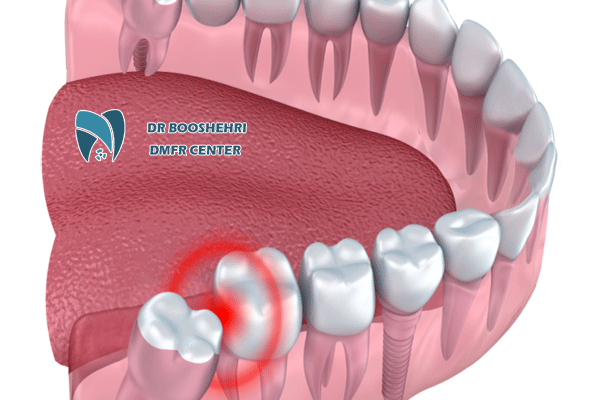
- Impacted WisdomTeeths: In many cases, WisdomTeeths do not fully emerge and remain under the gums. This condition, known as impaction, can lead to inflammation and infection. Due to the limited space in the jaw for complete growth, wisdom teeth may grow at awkward angles and even press against neighboring teeth.
- Pressure on Neighboring Teeth: When wisdom teeth grow improperly or incompletely, they may press against adjacent molars, leading to decay or misalignment.
A study in 2018 found that poor oral hygiene and the improper positioning of WisdomTeeths are key factors in their decay and infection. Food particles and plaque easily accumulate around these teeth, facilitating bacterial growth and ultimately leading to tooth decay.
Symptoms and Complications of WisdomTeeths Infections
Infections in WisdomTeeths can be extremely painful and debilitating. Some of the most common symptoms and complications include:
- Severe and Persistent Pain: Pain caused by wisdom teeth infections can radiate to the jaw and ear.
- Swollen Gums: The gums around WisdomTeeths may become swollen and inflamed, indicating an infection or pericoronitis.
- Bad Breath and Unpleasant Taste: These symptoms indicate a bacterial infection resulting from plaque and food accumulation.
- Fever and Fatigue: In more severe cases, a wisdom teeth infection can spread systemically, causing fever.
are Wisdom Teeths Extraction Always Necessary?
Removing wisdom teeth is not always necessary. If the wisdom teeth grow correctly and do not cause any problems, there is no need for extraction. However, if the WisdomTeeths are impacted or cause infection, pain, and swelling, extraction is recommended as an effective treatment option.
How Can Impacted Wisdom Teeths Lead to Infections?
Impacted WisdomTeeths are those that have not fully emerged from the gums. This condition can lead to problems such as pericoronitis. When a tooth partially grows, small spaces between the tooth and the gum create an environment where plaque and bacteria can easily accumulate, resulting in infection.
In another study conducted in 2010, it was found that systemic infections such as infective endocarditis can develop due to untreated WisdomTeeths infections. These infections allow bacteria to enter the bloodstream, which can lead to serious consequences.
Treatment Methods for Wisdom Teeths Infections
Depending on the severity and type of infection, various methods are available for treating wisdom teeth infections:
- Antibiotics: In mild cases, doctors may prescribe antibiotics to eliminate the infection.
- Antibacterial Mouthwash: Using mouthwash can help reduce bacteria and keep the infection site clean.
- Surgery and WisdomTeeths Extraction: In severe cases or when the tooth is impacted, removing the wisdom teeth is necessary. Surgery not only removes the source of infection but also prevents future complications.
Methods for Preventing Wisdom Teeth Infections
Several key strategies can help prevent infections and problems related to wisdom teeth:
- Maintaining Oral Hygiene: Regular brushing and flossing help keep wisdom teeth clean. Antibacterial mouthwash is also recommended.
- Regular Dental Check-ups: Routine dental visits can help detect potential issues with wisdom teeth early and prevent infections.
- Prophylactic Extraction: If WisdomTeeths are growing in a problematic position, removing them preemptively can be an effective solution to avoid future issues.
Post-Surgery Care for Wisdom Teeths
If you have undergone wisdom teeth surgery, post-operative care is critical to preventing infection and promoting faster healing.
Post-Surgery Recommendations:
- Use Cold Compresses: This helps reduce swelling and pain.
- Avoid Hard Foods: To avoid damaging the surgical site, stay away from hard or spicy foods.
- Rinse with Salt Water: Rinsing with salt water can keep the surgical area clean and free from bacteria.
- Avoid Using Straws or Suction: Using straws or engaging in suction can cause bleeding and disrupt the healing process.
Types of WisdomTeeths Complications
| Complication |
Symptoms |
Brief Explanation |
| Pericoronitis |
Pain and swollen gums |
Caused by impacted teeth and bacterial buildup |
| Dental Abscess |
Pus and severe pain |
Formation of pus due to infection |
| Wisdom Teeth Decay |
Black spots and cavities |
Decay due to plaque and bacteria |
| Wisdom Teeths Impaction |
Pain and incomplete tooth growth |
Partial growth leading to infection |
Reminder to Visit Dr. Bushehri
Finally, if you experience any of the wisdom teeth-related issues discussed in this article, it is crucial to visit a dentist. Dr. Bushehri, with extensive experience in treating oral health conditions, can provide you with the necessary consultation and services. For appointments and advice, please contact Dr. Bushehri’s clinic.