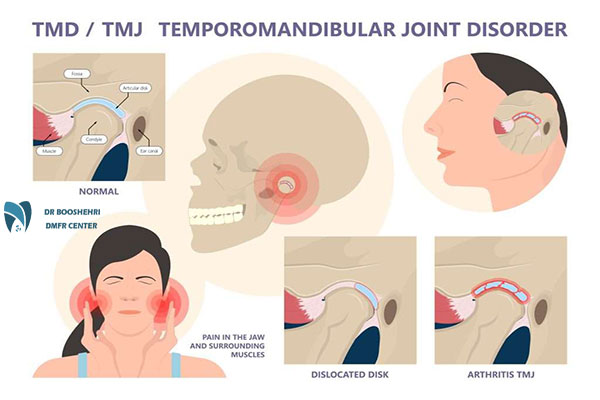
TMJ disorders are among the most common issues that can significantly impact daily life. In this article, you will learn about diagnostic methods, the role of TMJ imaging, and advancements in this field. It also addresses questions you may have about TMJ disorders and imaging techniques. Understanding this information can help you choose the best treatment path.
Additionally, you will explore TMJ imaging as one of the most advanced techniques for accurate diagnosis and review its advantages for more effective TMJ treatment. If you are looking for solutions to TMJ disorders, we recommend reading this article to the end.
Questions addressed in this article include:
- How can TMJ disorders be diagnosed?
- What is the best imaging technique for TMJ disorders?
- What is the cost of TMJ imaging?
TMJ disorders (TMD) encompass a range of conditions affecting the temporomandibular joint (TMJ) and associated structures. Specialized imaging plays a crucial role in diagnosing these disorders. Magnetic Resonance Imaging (MRI) is considered the gold standard for evaluating soft tissues, including the joint disc and ligaments. It can identify disc displacement, joint effusion, and inflammation, though it has limitations in assessing bone abnormalities and often requires integration with other imaging techniques.
Other methods, such as Cone Beam Computed Tomography (CBCT), provide high-resolution images with low radiation doses, making them ideal for evaluating bony structures. Combining CBCT and MRI enables a more comprehensive diagnosis of TMJ disorders. Additionally, hybrid methods like PET-CT and PET-MRI, alongside artificial intelligence in image analysis, offer new perspectives for diagnosing and treating TMJ disorders.
Technologies such as the T-Scan system are also utilized for functional analysis of the jaw and evaluation of pressure asymmetries, providing valuable insights for personalized treatments.
TMJ Disorders: Causes, Symptoms, and Diagnostic Methods
TMJ disorders are common problems that can affect the functionality of the mouth and jaw. These disorders include pain, clicking sounds, or jaw locking, often caused by excessive stress on the TMJ or structural issues. Common causes include direct jaw injuries, teeth grinding, stress, and even orthodontic problems. Symptoms of TMJ disorders can range from mild discomfort to severe difficulty in opening and closing the mouth.
Specialized TMJ imaging is one of the best methods for identifying these issues. Imaging techniques such as MRI and CT scans allow doctors to precisely examine structural and functional changes in the TMJ. Due to their high accuracy and ability to display intricate details, these imaging methods play a vital role in diagnosing and treating TMJ disorders. If you experience symptoms related to these disorders, consulting a specialist for TMJ imaging is highly recommended.
The Role of TMJ Imaging in Accurate Diagnosis of TMJ Disorders
Accurate diagnosis of TMJ disorders can be challenging without proper imaging techniques. TMJ imaging is one of the most advanced methods that assists physicians in diagnosing these conditions. These techniques include MRI for soft tissue visualization and CT scans for evaluating the hard bony structures.
One of the primary advantages of TMJ imaging is its ability to detect even the smallest changes in the structure or function of the temporomandibular joint. For instance, if symptoms like jaw locking or abnormal clicking sounds occur when opening and closing the mouth, these imaging methods can clarify the root cause of the issue. Additionally, specialized imaging allows physicians to make more informed treatment decisions.
Thus, if you experience symptoms of TMJ disorders, TMJ imaging should be an essential part of the diagnostic process to ensure access to appropriate treatments.
Comparing Various Imaging Methods for Assessing TMJ Disorders
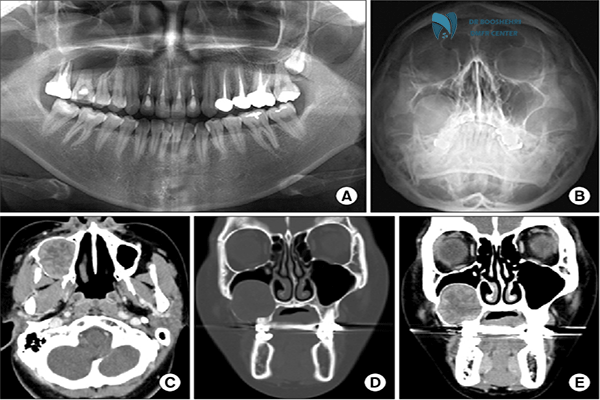
Several imaging techniques are available for evaluating TMJ disorders, each with unique advantages and limitations. MRI stands out as one of the best options for visualizing soft tissues such as the joint disc. On the other hand, CT scans excel in depicting bony structures like joint surfaces and bone alterations.
Panoramic radiography is another commonly used method, offering a quick and general overview of the jaw and dental structures, though it lacks the precision of MRI and CT scans. For cases requiring more detailed information, three-dimensional imaging using advanced technologies can provide effective solutions.
Although the choice of imaging method depends on the specific condition and the physician’s initial diagnosis, combining multiple approaches can offer a comprehensive view of the TMJ’s status. This detailed evaluation plays a critical role in designing effective treatment plans.
Discover the causes, symptoms, and 5 imaging techniques for TMJ disorders with advanced jaw radiography methods.
How Does TMJ Imaging Enhance Treatment Outcomes?
The use of TMJ imaging is vital not only for diagnosing TMJ disorders but also for improving treatment outcomes. These techniques provide precise information about the position and condition of the temporomandibular joint, enabling physicians to design more appropriate treatment plans.
For example, in cases where patients suffer from jaw locking or severe pain, imaging can determine whether the problem stems from disc displacement, inflammation, or structural damage. This data allows the physician to plan treatments such as physical therapy, medication, or even surgery with greater precision. In surgical cases, the use of three-dimensional imaging enhances the accuracy of the procedure.
Therefore, if you are seeking comprehensive and effective treatment for TMJ disorders, specialized imaging should be a key component of your care plan.
A Guide to Choosing the Best Center for TMJ Imaging
Selecting the right center for TMJ imaging can significantly impact diagnostic accuracy and treatment success. When choosing a center, consider factors such as advanced equipment, the expertise of staff, and the experience of specialized physicians.
Centers equipped with state-of-the-art technologies like high-resolution MRI or 3D CT scanners are better positioned to deliver precise results. Additionally, having doctors who specialize in interpreting TMJ imaging enhances the ability to identify underlying issues. To find such centers, you can read online reviews or consult with your treating physician for recommendations.
Technological Advancements in Specialized TMJ Imaging
Innovations in TMJ imaging have enabled faster and more accurate diagnoses of TMJ disorders. Modern imaging devices with high resolution and 3D capabilities reveal details that were previously unobservable.
One such advancement is dynamic imaging, which allows for the visualization of joint movement during function. This method is especially useful for cases involving movement issues such as jaw locking. Furthermore, the incorporation of artificial intelligence in image analysis has improved diagnostic precision while reducing human error. These technologies empower physicians to design more effective and personalized treatment plans for their patients.
Frequently Asked Questions About TMJ Disorders
1. How are TMJ disorders diagnosed?
Diagnosis typically starts with assessing clinical symptoms such as pain, abnormal sounds, and movement limitations. Specialized TMJ imaging like MRI or CT scans is then used for a more detailed examination.
2. What is the best imaging method for TMJ disorders?
MRI is ideal for observing soft tissues like the joint disc, while CT scans are better suited for examining hard bony structures. The choice of method depends on the specific issue.
3. How much does TMJ imaging cost?
Costs depend on the technology used (e.g., MRI or CT scans) and the healthcare center. MRI tends to be more expensive than CT scans but provides more comprehensive information.
4. Are TMJ disorders curable?
Treatment options vary depending on the severity of the disorder, including physical therapy, medication, and surgery. Accurate imaging helps identify the most effective treatment approach.
5. What are the common symptoms of jaw locking?
Jaw locking is usually accompanied by difficulty opening or closing the mouth, pain in the temporomandibular area, and clicking or popping sounds. If you experience these symptoms, consulting a doctor and undergoing TMJ imaging is essential.
Specialized Diagnosis and Treatment of TMJ Disorders with Dr. Boushehri
In this article, we have provided comprehensive information about TMJ disorders, diagnostic methods, and the role of TMJ imaging. Utilizing specialized imaging can be pivotal in achieving effective diagnosis and treatment.
For the best specialized services in this field, we recommend consulting “Dr. Boushehri,” an expert in oral and maxillofacial radiology. With the use of cutting-edge TMJ imaging technologies, Dr. Boushehri has consistently delivered precise results and successful outcomes in diagnosis and treatment.
You can schedule a consultation at Dr. Boushehri’s specialized imaging center. If you have any questions, please leave them in the comments section to receive a detailed response.